Smart Plugs & Energy Monitoring: Your Path to an 8% Phantom Load Reduction by 2026
In an increasingly interconnected world, our homes are filled with an array of electronic devices designed to make life easier, more entertaining, and more productive. From televisions and gaming consoles to coffee makers and phone chargers, these gadgets have become indispensable. However, there’s a hidden cost associated with our reliance on these electronics: phantom load, also known as standby power. This insidious energy drain occurs when devices continue to consume electricity even when they are turned off but still plugged in. The cumulative effect of this constant, low-level power draw is surprisingly significant, contributing to higher electricity bills and an unnecessary environmental footprint.
The good news is that combating phantom load is not only possible but also increasingly straightforward, thanks to advancements in smart home technology. Specifically, the strategic implementation of smart plug energy solutions and comprehensive energy monitoring systems offers a powerful one-two punch against energy waste. Experts predict that by leveraging these technologies, households can realistically aim to reduce their phantom load by a remarkable 8% by 2026. This isn’t just a marginal improvement; it represents tangible savings on your monthly utility bills and a meaningful step towards a more sustainable lifestyle. This article will delve deep into how smart plugs and energy monitoring work, the benefits they offer, how to choose the right systems, and practical strategies to maximize your energy savings and contribute to a greener future.
Understanding Phantom Load: The Silent Energy Thief
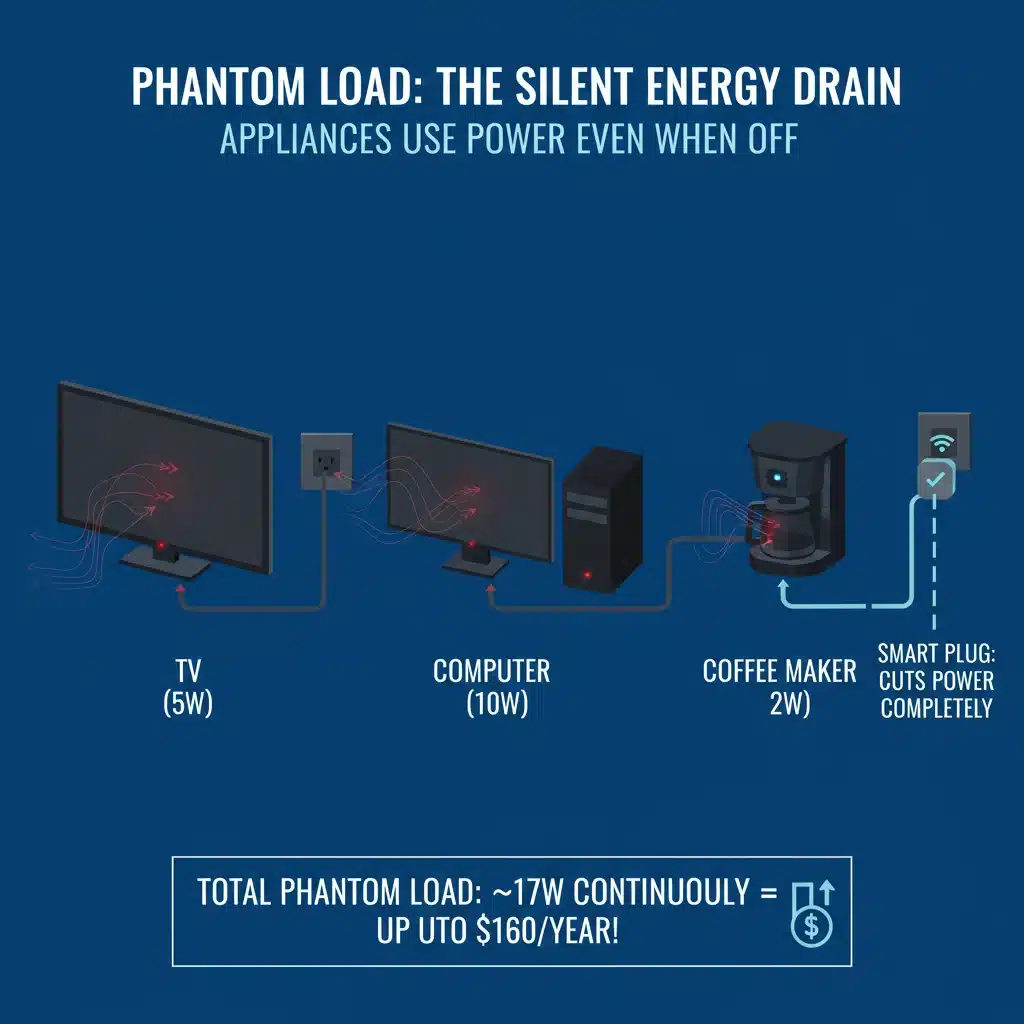
Before we explore the solutions, it’s crucial to grasp the enemy: phantom load. Imagine a vampire, silently sucking small amounts of blood while you sleep. That’s essentially what phantom load does to your electricity. Many modern appliances are designed with features like instant-on capabilities, remote control readiness, or internal clocks that require a constant, albeit small, supply of power. While individually these draws might seem negligible – perhaps only a few watts per device – their collective impact across an entire household, 24 hours a day, 365 days a year, can be substantial.
Consider the typical culprits: your television, cable box, computer monitors, phone chargers (even when no phone is attached), microwave ovens (to keep the clock running), gaming consoles, printers, and even some smart speakers. All these devices, when plugged in, are potential contributors to your phantom load. Studies have shown that phantom load can account for anywhere from 5% to 10% of a household’s total electricity consumption. For the average home, this could translate to hundreds of dollars annually simply vanishing into thin air. Beyond the financial drain, this wasted energy contributes to greenhouse gas emissions, exacerbating climate change.
The challenge with phantom load is its insidious nature. It’s not always obvious which devices are drawing power when ‘off,’ and manually unplugging everything after each use is impractical and inconvenient. This is precisely where the power of smart plug energy solutions comes into play, offering an automated and intelligent way to sever these connections when devices are not truly needed.
The Rise of Smart Plugs: Your First Line of Defense
Smart plugs are perhaps the simplest and most accessible entry point into smart home energy management. These devices plug directly into standard wall outlets, and then you plug your appliance into the smart plug. What makes them ‘smart’ is their ability to be controlled remotely via a smartphone app, voice assistant, or even automatically based on schedules or other triggers. But their utility extends far beyond simple on/off control.
Many smart plugs also come equipped with built-in energy monitoring capabilities. This feature is a game-changer, allowing you to see in real-time, or over historical periods, exactly how much electricity a connected device is consuming. This data is invaluable for identifying the biggest energy hogs in your home, especially those contributing most to phantom load. For instance, you might discover that your old entertainment system, even when ‘off,’ is drawing a significant amount of power, prompting you to automate its complete shutdown when not in use.
The benefits of using smart plug energy solutions are manifold:
- Eliminate Phantom Load: The most direct benefit is the ability to completely cut power to devices when they are not in use, effectively eliminating their phantom load.
- Convenience: No more fumbling behind furniture to unplug devices. Control them with a tap on your phone or a voice command.
- Scheduling: Set schedules for devices to turn on and off automatically. For example, have your coffee maker power on 15 minutes before you wake up and turn off after you leave for work.
- Cost Savings: By reducing wasted energy, you’ll see a noticeable decrease in your electricity bills.
- Environmental Impact: Less energy consumption means a smaller carbon footprint, contributing to a healthier planet.
- Safety: Some smart plugs offer overload protection, adding an extra layer of safety to your home.
Imagine a scenario where your entire entertainment center – TV, sound system, gaming console, and streaming box – is plugged into a smart power strip or individual smart plugs. With a single command or a pre-set schedule, you can power down all these devices completely when you go to bed or leave the house, ensuring zero phantom load. This is the power of integrated smart plug energy management.
Beyond Smart Plugs: The Power of Comprehensive Energy Monitoring
While smart plugs are excellent for individual device control and monitoring, a more holistic approach to energy savings involves comprehensive energy monitoring systems. These systems provide a broader view of your home’s electricity consumption, often at the circuit breaker level or even the whole-home level, giving you unparalleled insight into your energy usage patterns.
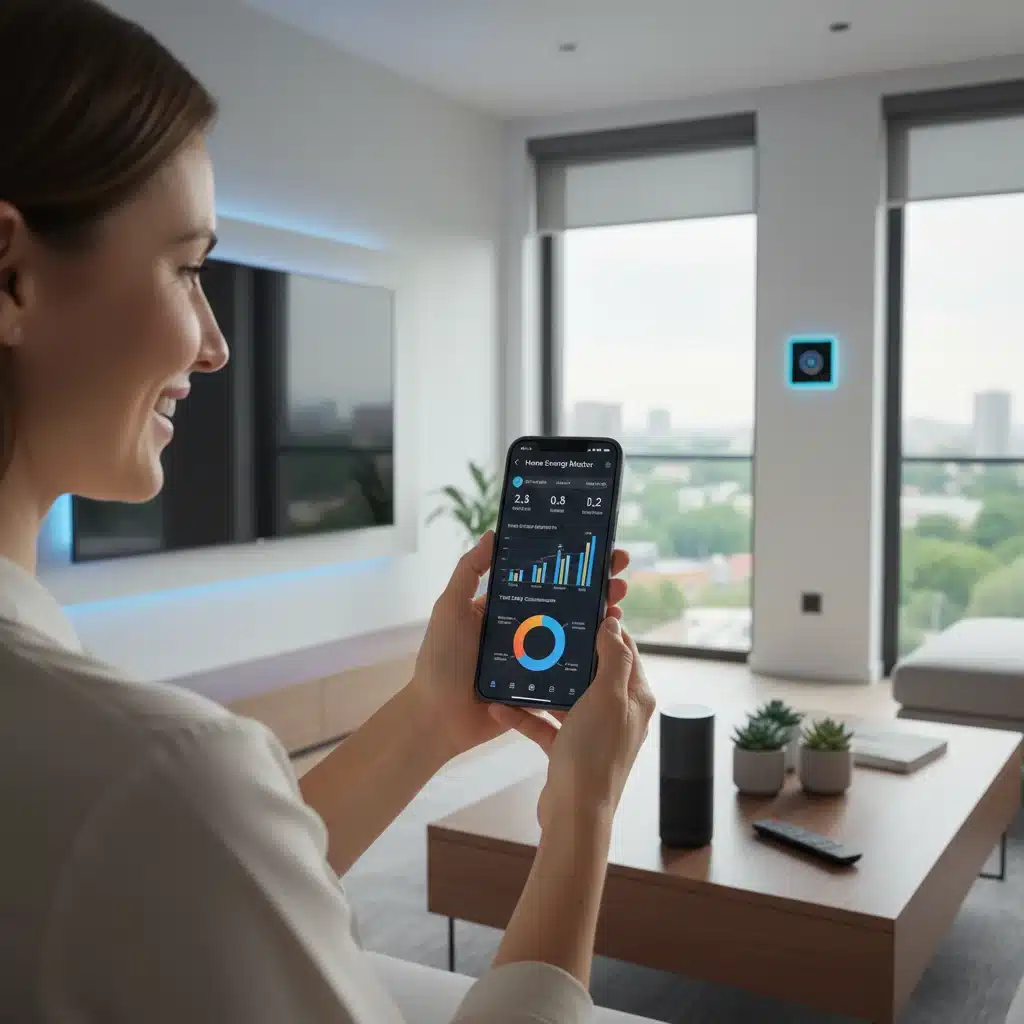
Whole-home energy monitors typically consist of sensors installed in your electrical panel that measure the current flowing through your main power lines. This data is then transmitted wirelessly to a hub and displayed on a smartphone app or web portal. The level of detail provided can vary, from total home consumption to disaggregated data showing the energy use of major appliances like your HVAC system, water heater, or refrigerator.
The synergy between smart plug energy solutions and whole-home energy monitoring is incredibly powerful. Smart plugs help you identify and control specific ‘vampire’ devices, while whole-home monitoring provides the overarching context, helping you understand peak usage times, identify unusual spikes, and track the overall impact of your energy-saving efforts. This combination allows for a data-driven approach to energy management, moving beyond guesswork to informed decision-making.
Key benefits of comprehensive energy monitoring:
- Identify Energy Hogs: Pinpoint which appliances or circuits are consuming the most electricity, even those you might not suspect.
- Real-time Data: See your energy consumption as it happens, allowing for immediate adjustments.
- Historical Trends: Analyze daily, weekly, or monthly energy usage to identify patterns and areas for improvement.
- Set Goals and Track Progress: Establish energy-saving targets and monitor your progress towards achieving them, including that 8% phantom load reduction.
- Alerts and Notifications: Receive alerts for unusually high consumption or when devices are left on for too long.
- Empowerment: Gain a deeper understanding of your home’s energy dynamics, empowering you to make smarter choices.
By combining the granular control of smart plug energy devices with the big-picture insights from a whole-home monitor, you create a robust system that not only cuts phantom load but optimizes your entire household’s energy footprint.
Setting Your Goal: Achieving an 8% Phantom Load Reduction by 2026
The target of an 8% reduction in phantom load by 2026 is ambitious yet achievable with the right strategy and tools. Here’s a roadmap to get you there:
- Audit Your Appliances: Start by identifying all devices that draw power when ‘off’ but still plugged in. Walk through each room and make a list.
- Prioritize with Smart Plugs: Begin by installing smart plug energy devices on the most obvious culprits – entertainment centers, computer setups, charging stations, and kitchen gadgets. Use the energy monitoring feature of these plugs to identify which devices are drawing the most standby power.
- Implement Schedules: For devices with predictable usage patterns, set up automated schedules. For example, turn off office equipment overnight, or disable entertainment systems during work hours.
- Utilize Scenes and Automations: Create ‘scenes’ in your smart home app. A ‘Goodnight’ scene could turn off all non-essential lights and devices, while an ‘Away’ scene could do the same for your entire home.
- Consider Whole-Home Monitoring: For a deeper dive, invest in a whole-home energy monitoring system. This will provide invaluable data to identify less obvious energy drains and track your overall progress.
- Educate Your Household: Ensure everyone in your home understands the importance of energy saving and how to use the smart home tools effectively.
- Regular Review and Adjustment: Energy consumption patterns can change. Periodically review your smart plug schedules and energy monitoring data to fine-tune your settings and identify new opportunities for savings.
By systematically applying these steps, you’ll not only chip away at your phantom load but also develop a more energy-conscious household culture. The 8% reduction isn’t just a number; it’s a testament to intentional, smart living.
Choosing the Right Smart Plugs and Energy Monitoring Systems
The market for smart plug energy solutions and energy monitoring systems is diverse, offering a range of features and price points. Here’s what to consider when making your selections:
Smart Plugs:
- Compatibility: Ensure the smart plugs are compatible with your existing smart home ecosystem (e.g., Apple HomeKit, Google Home, Amazon Alexa, Samsung SmartThings).
- Energy Monitoring: Prioritize plugs that offer detailed energy consumption tracking. This is crucial for identifying phantom load.
- Connectivity: Most smart plugs use Wi-Fi, but some may use Zigbee or Z-Wave, requiring a hub. Wi-Fi plugs are generally easier to set up for beginners.
- Features: Look for features like scheduling, timers, remote control, and overload protection.
- Outdoor vs. Indoor: If you need to control outdoor devices, ensure you choose weather-resistant outdoor smart plugs.
- Power Capacity: Check the maximum amperage and wattage the plug can handle to ensure it’s suitable for the devices you intend to connect.
Energy Monitoring Systems:
- Installation: Some systems are DIY-friendly, while others require professional electrical installation.
- Data Granularity: Do you want whole-home data only, or do you need circuit-level or even appliance-level breakdown?
- Real-time vs. Historical Data: Most systems offer both, but check the frequency of real-time updates and the depth of historical data storage.
- App Interface: A user-friendly app is essential for easy monitoring and analysis.
- Integrations: Can the system integrate with other smart home devices or platforms for more advanced automations?
- Cost: Prices vary significantly based on features and installation complexity.
Popular brands for smart plug energy devices include TP-Link Kasa, Meross, Wyze, and Amazon Smart Plug. For whole-home energy monitoring, Sense, Emporia Vue, and Shelly EM are highly regarded options. Researching reviews and comparing features based on your specific needs will help you make the best choice for your home.
Maximizing Your Savings: Advanced Strategies and Future Trends
Achieving an 8% reduction in phantom load is just the beginning. As you become more adept with smart plug energy and monitoring systems, you can explore more advanced strategies:
- Conditional Automations: Beyond simple schedules, create automations based on conditions. For example, turn off lights automatically when no motion is detected for a certain period, or power down devices when your smart thermostat indicates you’re away from home.
- Demand Response Programs: Some utility companies offer programs that incentivize you to reduce energy consumption during peak demand hours. Smart energy systems can help you participate by automatically adjusting device usage.
- Integration with Renewables: If you have solar panels, energy monitoring can help you understand your generation vs. consumption, optimizing your self-sufficiency and reducing reliance on the grid.
- Artificial Intelligence and Machine Learning: The next generation of energy monitoring systems will increasingly leverage AI and ML to learn your habits, predict energy needs, and suggest even more efficient automations without manual intervention.
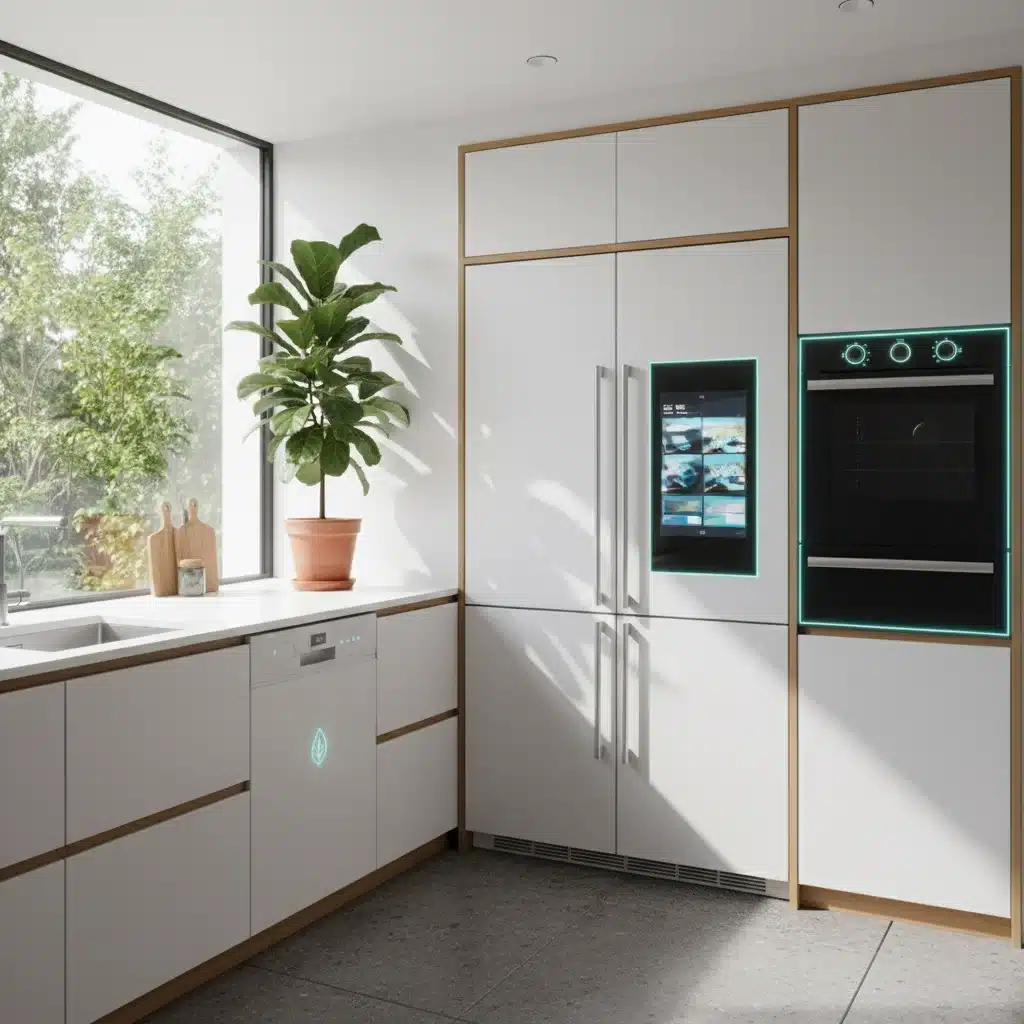
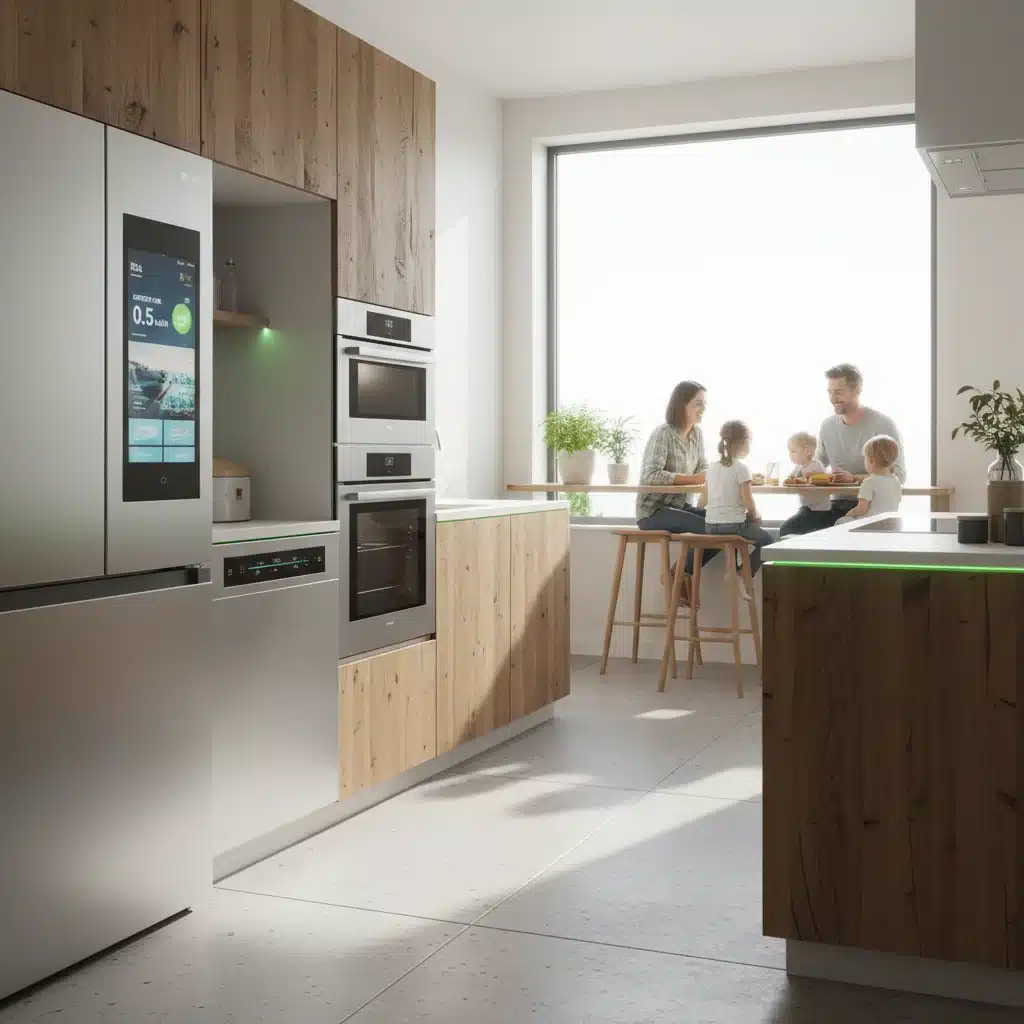
- Smart Appliances: While not strictly smart plugs, new smart appliances often come with built-in energy management features that can be integrated into your overall system, further enhancing efficiency.
The evolution of smart home technology continues to open new avenues for energy conservation. Staying informed about these advancements will allow you to continually optimize your home’s energy performance and push beyond that 8% phantom load reduction target.
The Broader Impact: Why Energy Saving Matters
While the immediate benefits of reducing phantom load – lower electricity bills and increased convenience – are compelling, the broader impact of widespread adoption of smart plug energy and monitoring cannot be overstated. Every watt saved contributes to a larger picture of environmental stewardship and grid stability.
- Environmental Protection: Less energy consumption means fewer fossil fuels burned for electricity generation, leading to reduced greenhouse gas emissions and a slower pace of climate change.
- Resource Conservation: It conserves finite natural resources used in energy production.
- Grid Stability: Reducing peak demand through smart energy management helps prevent blackouts and reduces the need for expensive, often fossil fuel-based, peaker plants.
- Economic Growth: The smart home energy sector drives innovation, creates jobs, and fosters economic growth in green technologies.
- Energy Independence: For nations and individuals, greater energy efficiency contributes to greater energy independence and security.
By embracing technologies like smart plug energy solutions, you’re not just saving money; you’re becoming an active participant in a global movement towards a more sustainable and resilient future. Your individual actions, multiplied by millions of households, create a profound collective impact.
Conclusion: Powering Down for a Brighter Future
The challenge of phantom load is real, but so are the solutions. With the widespread availability and increasing sophistication of smart plug energy devices and comprehensive energy monitoring systems, households now have unprecedented tools at their disposal to combat energy waste effectively. The goal of reducing phantom load by 8% by 2026 is a realistic and achievable target that promises significant financial savings and a substantial positive environmental impact.
By understanding how these technologies work, strategically implementing them in your home, and maintaining a proactive approach to energy management, you can transform your living space into a beacon of efficiency. Start small with a few smart plugs, track your progress, and gradually expand your system. Every step you take towards optimizing your home’s energy consumption contributes to a brighter, more sustainable future for everyone. It’s time to unplug from energy waste and plug into smart living.