Unlock 2025 Energy Savings: Smart Thermostats Cut Heating Bills by 15%
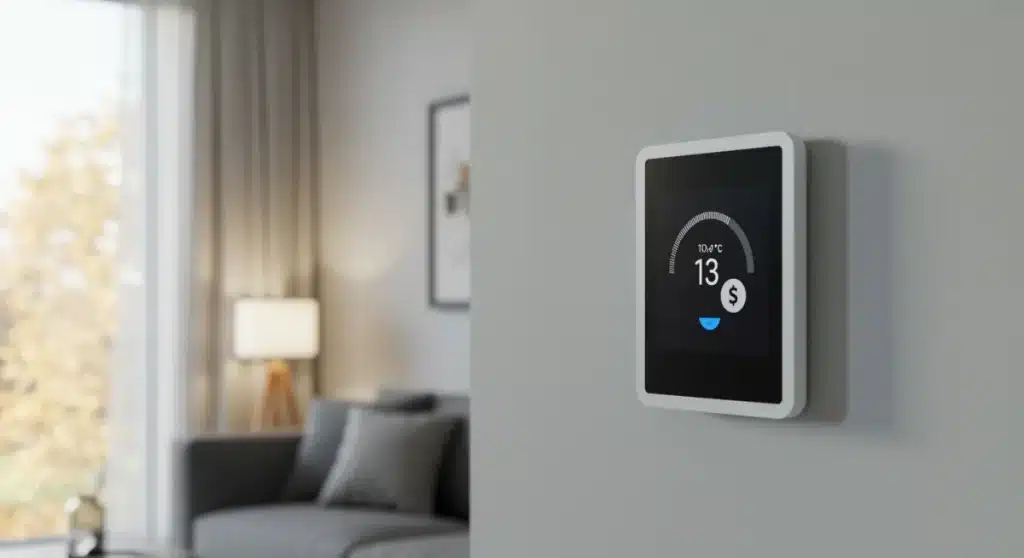
Smart thermostats offer a practical and effective solution to reduce household heating expenses, potentially cutting bills by up to 15% through intelligent climate control and personalized scheduling.
As winter approaches, many homeowners in the United States are looking for innovative ways to combat rising energy costs. The promise of significant savings is more appealing than ever, and one technology stands out: the smart thermostat. With a smart thermostat, you can unlock 2025 energy savings: how smart thermostats cut heating bills by up to 15% this winter, making your home more efficient and comfortable without constant manual adjustments.
Understanding the Smart Thermostat Revolution
The advent of smart thermostats has fundamentally changed how we manage our home’s climate. Gone are the days of simple on/off switches or basic programmable schedules. Today’s smart devices offer a sophisticated blend of technology and convenience, designed to optimize energy consumption while enhancing comfort.
These devices leverage advanced sensors, internet connectivity, and artificial intelligence to learn your preferences and adapt to your lifestyle. They move beyond mere temperature control, becoming integral components of a truly intelligent home ecosystem. Their primary goal is to provide heating and cooling only when and where it’s needed, minimizing waste and maximizing efficiency.
What defines a smart thermostat?
A smart thermostat is much more than a digital thermometer. It’s a connected device that learns from your habits, responds to external factors, and can be controlled remotely. This level of automation and insight is what sets it apart from traditional models.
- Remote Access: Control your home’s temperature from anywhere using a smartphone app.
- Learning Capabilities: Adapts to your schedule and preferences over time, creating optimized heating and cooling routines.
- Geofencing: Uses your phone’s location to detect when you’re home or away, adjusting temperatures accordingly.
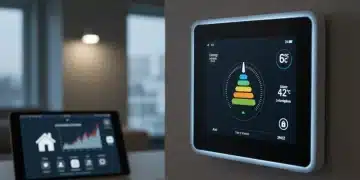
- Energy Reports: Provides insights into your energy usage, helping you identify areas for further savings.
In essence, a smart thermostat takes the guesswork out of energy management. It works tirelessly in the background, making micro-adjustments that collectively lead to substantial energy reductions. This proactive approach to climate control is key to achieving the promised savings.
The Mechanics of Energy Savings: How Smart Thermostats Work
The significant energy savings offered by smart thermostats aren’t magic; they’re the result of intelligent design and sophisticated algorithms. These devices employ a variety of features that collectively contribute to a more efficient heating and cooling system, directly impacting your utility bills.
By understanding the underlying mechanisms, homeowners can better appreciate the value these devices bring. It’s not just about convenience; it’s about precise control and proactive management of one of the largest energy consumers in most households – the HVAC system.
Optimized scheduling and adaptive learning
One of the core functions of a smart thermostat is its ability to create and adhere to optimized heating schedules. Unlike traditional programmable thermostats, which require manual input for every change, smart thermostats learn from your behavior.
Over a few days or weeks, the device observes when you’re home, when you sleep, and what temperatures you prefer. It then builds a schedule that automatically adjusts the temperature to align with your lifestyle, ensuring comfort when you’re present and saving energy when you’re not. This adaptive learning minimizes unnecessary heating.
- Personalized Schedules: Automatically creates a heating schedule based on your actual usage patterns.
- Occupancy Detection: Some models use sensors to detect if anyone is home, preventing heating an empty house.
- Self-Correction: Continuously refined schedules based on ongoing interactions and feedback.
Beyond learning your habits, many smart thermostats integrate with external data sources. They can factor in local weather forecasts, adjusting heating cycles to pre-heat your home before a cold front arrives or scale back on warmer days. This predictive capability further enhances efficiency, preventing reactive and often wasteful temperature adjustments.

Furthermore, the remote access feature allows for immediate adjustments if your plans change. Stuck late at work? You can easily turn down the heat from your phone, avoiding heating an empty house unnecessarily. This level of control empowers homeowners to make real-time decisions that impact their energy consumption.
Realizing the 15% Heating Bill Reduction Potential
The claim of cutting heating bills by up to 15% is not an exaggeration. Numerous studies and real-world applications have demonstrated the significant savings potential of smart thermostats. This reduction stems from a combination of optimized scheduling, precise temperature control, and the elimination of wasteful heating habits.
For the average American household, heating can account for a substantial portion of annual utility expenses. Even a modest percentage reduction can translate into hundreds of dollars saved over the course of a year, especially in regions with harsh winters. These savings can quickly offset the initial investment in the device.
Case studies and statistical evidence
Leading smart thermostat manufacturers often cite their own research and independent studies to back up their claims. For instance, Nest, a prominent brand, has published data suggesting that its thermostats save users an average of 10-12% on heating and 15% on cooling.
- Ecobee’s Impact: Users have reported average savings of 23% on heating and cooling costs.
- Department of Energy Findings: The U.S. Department of Energy estimates that programmable thermostats can save approximately 10% on heating and cooling costs, with smart thermostats often exceeding this due to advanced features.
- Real-world User Data: Aggregated data from millions of smart thermostat users consistently shows a downward trend in energy consumption compared to homes without these devices.
These statistics are not just numbers; they represent tangible financial benefits for homeowners. The cumulative effect of minor, automated adjustments throughout the heating season can lead to significant savings that add up over time. It’s a smart investment that pays for itself.
Beyond Savings: Comfort, Convenience, and Environmental Impact
While financial savings are a primary driver for adopting smart thermostats, their benefits extend far beyond just reducing heating bills. These devices also enhance overall home comfort, offer unparalleled convenience, and contribute positively to environmental sustainability. It’s a holistic upgrade to your living space.
The integration of smart thermostats into the broader smart home ecosystem further amplifies these advantages, creating a more interconnected and responsive environment. They are not merely standalone gadgets but key players in a modern, efficient home.
Enhanced comfort and personalized climate control
Imagine coming home to a perfectly warm house without having to remember to turn up the heat before you leave work. Smart thermostats make this a reality. Their learning capabilities and remote access ensure your home is comfortable precisely when you need it to be.
- Consistent Temperatures: Maintains desired temperatures with greater accuracy than older thermostats.
- Zone Control: Some advanced systems allow for different temperatures in various zones of your home, optimizing comfort where it’s most needed.
- Voice Control Integration: Adjust settings with simple voice commands when integrated with smart assistants like Alexa or Google Assistant.
This personalized approach to climate control means less wasted energy on overheating or underheating unoccupied spaces, leading to a more comfortable living experience overall. The convenience of managing your home’s climate from anywhere adds a layer of modern luxury that’s increasingly becoming a standard expectation.
Choosing the Right Smart Thermostat for Your Home
With a growing market of smart thermostats, selecting the right one for your home can seem daunting. However, by understanding your specific needs, your home’s existing HVAC system, and the features offered by different models, you can make an informed decision that maximizes your potential savings and comfort.
Consider factors like compatibility, installation complexity, and integration with other smart home devices. A little research upfront can save you headaches and ensure you get the most out of your investment in a smart thermostat.
Key features to look for
Not all smart thermostats are created equal. While most offer basic smart functionalities, some models come with advanced features that can further enhance energy savings and user experience. Prioritize features that align with your lifestyle and home setup.
- HVAC System Compatibility: Ensure the thermostat works with your specific heating and cooling system (e.g., conventional, heat pump, multi-stage).
- Smart Home Ecosystem Integration: Check compatibility with platforms like Apple HomeKit, Amazon Alexa, Google Home, or Samsung SmartThings if you have other smart devices.
- User Interface and App Design: A user-friendly interface and intuitive mobile app are crucial for ease of use and effective management.
- Sensors: Consider models with additional room sensors for better temperature averaging across your home or occupancy detection.
- Utility Rebates: Many energy providers offer rebates for installing smart thermostats, significantly reducing the upfront cost.
It’s also wise to read reviews and compare models from reputable brands like Nest, Ecobee, Honeywell Home, and Emerson Sensi. Each brand offers unique strengths, from advanced learning algorithms to comprehensive sensor networks. Your choice should ultimately reflect a balance between features, cost, and ease of use for your specific household.
Installation and Maximizing Your Smart Thermostat’s Potential
Once you’ve chosen your smart thermostat, proper installation and ongoing optimization are crucial to realizing its full potential for energy savings. While many smart thermostats are designed for DIY installation, some homeowners might prefer professional help, especially if dealing with complex wiring or older HVAC systems.
Beyond installation, actively engaging with your thermostat’s features and monitoring your energy usage will help you fine-tune its performance and ensure you’re getting the most out of your investment. It’s an ongoing process of learning and adjustment.
Installation considerations and tips
Most smart thermostats come with clear, step-by-step instructions and often include in-app guides to walk you through the process. However, a few key considerations can make the installation smoother.
- Power Requirements: Many smart thermostats require a common wire (C-wire) for continuous power. If your current thermostat doesn’t have one, you might need an adapter or professional installation.
- Safety First: Always turn off power to your HVAC system at the circuit breaker before beginning any wiring work.
- Location: Install the thermostat in a central location away from direct sunlight, drafts, or heat sources that could skew temperature readings.
After installation, take the time to explore all the features your new smart thermostat offers. Set up geofencing, review energy reports, and customize schedules to fit your family’s routine. The more you interact with it, the better it will learn and optimize your home’s climate control.
Regularly checking the energy usage reports provided by your smart thermostat’s app can also highlight areas where further adjustments can be made. These insights empower you to make data-driven decisions about your heating and cooling, ultimately leading to greater savings and a more efficient home environment.
| Key Feature | Benefit for Heating Bills |
|---|---|
| Adaptive Learning | Automatically adjusts to your schedule, avoiding heating an empty home. |
| Remote Control | Adjust temperature from anywhere, preventing unnecessary heating. |
| Geofencing | Uses location data to turn heating down when you leave and up when you return. |
| Energy Reports | Provides insights into usage patterns to identify further saving opportunities. |
Frequently Asked Questions About Smart Thermostats
Smart thermostats can typically save between 10% and 15% on heating costs, with some users experiencing even higher reductions. These savings come from optimized scheduling, remote control, and features like geofencing and occupancy detection, which prevent unnecessary heating of unoccupied spaces.
Most smart thermostats are designed for DIY installation, complete with detailed instructions and in-app guides. However, some older HVAC systems may require a C-wire adapter or professional installation if a common wire for continuous power is not present.
While most smart thermostats are compatible with a wide range of HVAC systems, including conventional furnaces, heat pumps, and multi-stage systems, it’s crucial to check compatibility before purchase. Manufacturers usually provide online compatibility checkers to ensure your system is supported.
Geofencing uses your smartphone’s location to determine if you are home or away. When you leave a predefined area, the thermostat automatically lowers the temperature to save energy. As you return, it pre-heats your home, ensuring comfort upon arrival without manual adjustments.
Yes, most smart thermostats are designed to integrate seamlessly with popular smart home ecosystems like Amazon Alexa, Google Home, Apple HomeKit, and Samsung SmartThings. This allows for centralized control and automation, enhancing convenience and overall energy management.
Conclusion
The prospect to unlock 2025 energy savings: how smart thermostats cut heating bills by up to 15% this winter is not just a marketing promise, but a tangible reality for homeowners willing to embrace smart home technology. By intelligently managing your heating system, these devices offer a powerful combination of cost reduction, enhanced comfort, and environmental responsibility. The initial investment is quickly recouped through consistent savings, making a smart thermostat an indispensable tool for any modern, energy-conscious household. As we move further into an era of integrated home automation, the smart thermostat stands as a testament to how technology can make our lives more efficient, comfortable, and sustainable.