Smart Power Strips 2026: Eliminate Phantom Load & Save $100 Annually
The 2026 Guide to Smart Power Strips: Eliminating Phantom Load and Saving $100 Annually
In an era where every penny counts and environmental consciousness is paramount, optimizing our home’s energy consumption has never been more critical. As we navigate through 2026, the concept of energy efficiency has evolved beyond simply turning off lights. A silent energy thief, known as ‘phantom load’ or ‘vampire draw,’ continues to plague households worldwide, siphoning electricity even when devices are supposedly off. But what if there was a simple, yet highly effective, solution? Enter smart power strips – the unsung heroes of modern energy management. This comprehensive guide will delve into how these innovative devices work, their benefits, and how, by integrating them into your home, you can realistically save upwards of $100 annually while making a tangible difference to your carbon footprint.
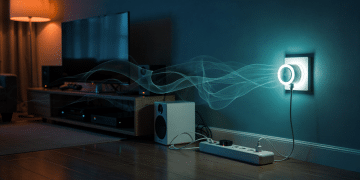
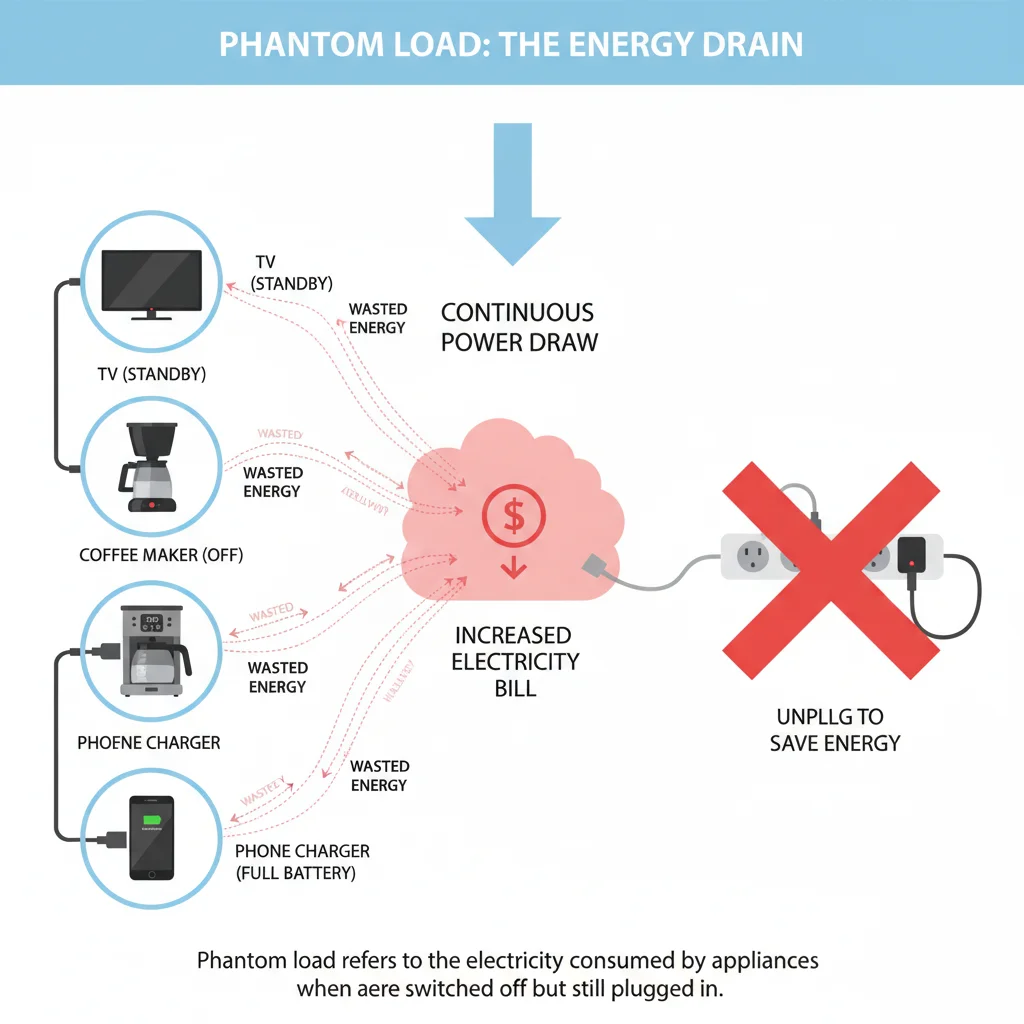
Phantom load refers to the electricity consumed by electronic devices when they are turned off or in standby mode but still plugged in. Think of your TV, gaming console, coffee maker, or even your phone charger. While seemingly insignificant individually, collectively, these devices can account for a substantial portion of your electricity bill. The typical household loses between 5% to 10% of its total electricity consumption to phantom load. In today’s energy landscape, that translates to a significant monetary drain over the course of a year. The good news is that advancements in smart power strips technology have made it easier than ever to combat this pervasive issue.
This article aims to provide you with an in-depth understanding of smart power strips in 2026, covering everything from their technological evolution to practical implementation strategies. We’ll explore the different types available, the features to look for, and how to maximize your savings. By the end, you’ll be equipped with the knowledge to transform your home into a more energy-efficient and cost-effective living space.
Understanding Phantom Load: The Silent Energy Thief
Before we dive into the specifics of smart power strips, it’s crucial to fully grasp the concept of phantom load. Many modern electronic devices are designed for convenience, often featuring instant-on capabilities, remote control functionality, or continuous clock displays. To provide these features, they must remain in a low-power standby mode, constantly drawing a small amount of electricity. This continuous draw, even when the device is not actively in use, is what we call phantom load.
Common Culprits of Phantom Load:
- Televisions and Audio Equipment: Many TVs, soundbars, and home theater systems never truly turn off; they enter a standby mode to respond to remote controls.
- Computers and Peripherals: Desktops, laptops (even when off but plugged in), monitors, printers, and external hard drives often draw power.
- Kitchen Appliances: Coffee makers with digital clocks, microwaves, and even some blenders can contribute.
- Phone Chargers: Even when no phone is connected, many chargers continue to draw a small amount of power.
- Gaming Consoles: These often remain in a low-power state for quick resume features or automatic updates.
- Smart Home Devices: While designed for efficiency, some smart hubs and devices can have a continuous draw.
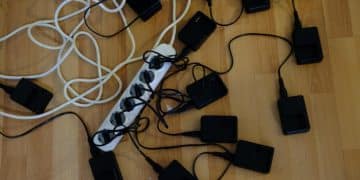
The cumulative effect of these small draws can be surprisingly significant. Imagine a household with a dozen or more such devices. Each might only consume a few watts, but over 24 hours a day, 365 days a year, those watts add up to kilowatt-hours, and those kilowatt-hours add up to dollars on your electricity bill. Estimates suggest that phantom load can cost the average U.S. household over $100 per year, a figure that has been steadily rising with the proliferation of electronics. This is precisely where smart power strips come into play, offering an intelligent and automated solution to cut off this wasted energy.
What Are Smart Power Strips and How Do They Work?
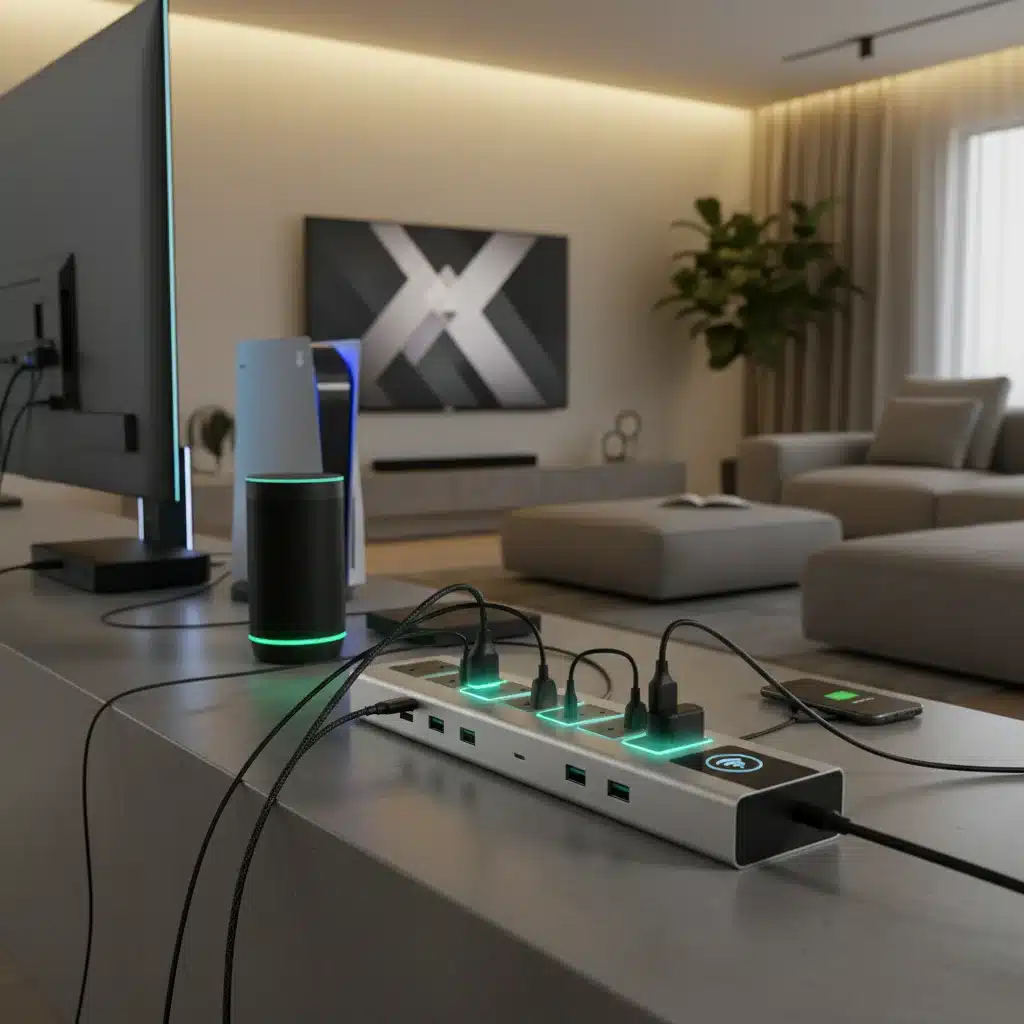
A smart power strip is an advanced version of a traditional power strip, equipped with smart technology that allows it to monitor and control the power supply to connected devices. Unlike conventional power strips that merely provide multiple outlets, smart power strips offer features like remote control, scheduling, energy monitoring, and sometimes even surge protection, all designed to combat phantom load effectively.
Key Mechanisms of Smart Power Strips:
- Master/Slave Outlets (or Controlled Outlets): Many smart power strips feature one ‘master’ outlet and several ‘slave’ or ‘controlled’ outlets. When the device plugged into the master outlet is turned off or goes into standby mode, the smart power strip automatically cuts power to the slave outlets, thereby eliminating phantom load from all connected peripherals. For example, if your TV is plugged into the master outlet, turning off the TV will automatically power down your sound system, DVD player, and gaming console plugged into the slave outlets.
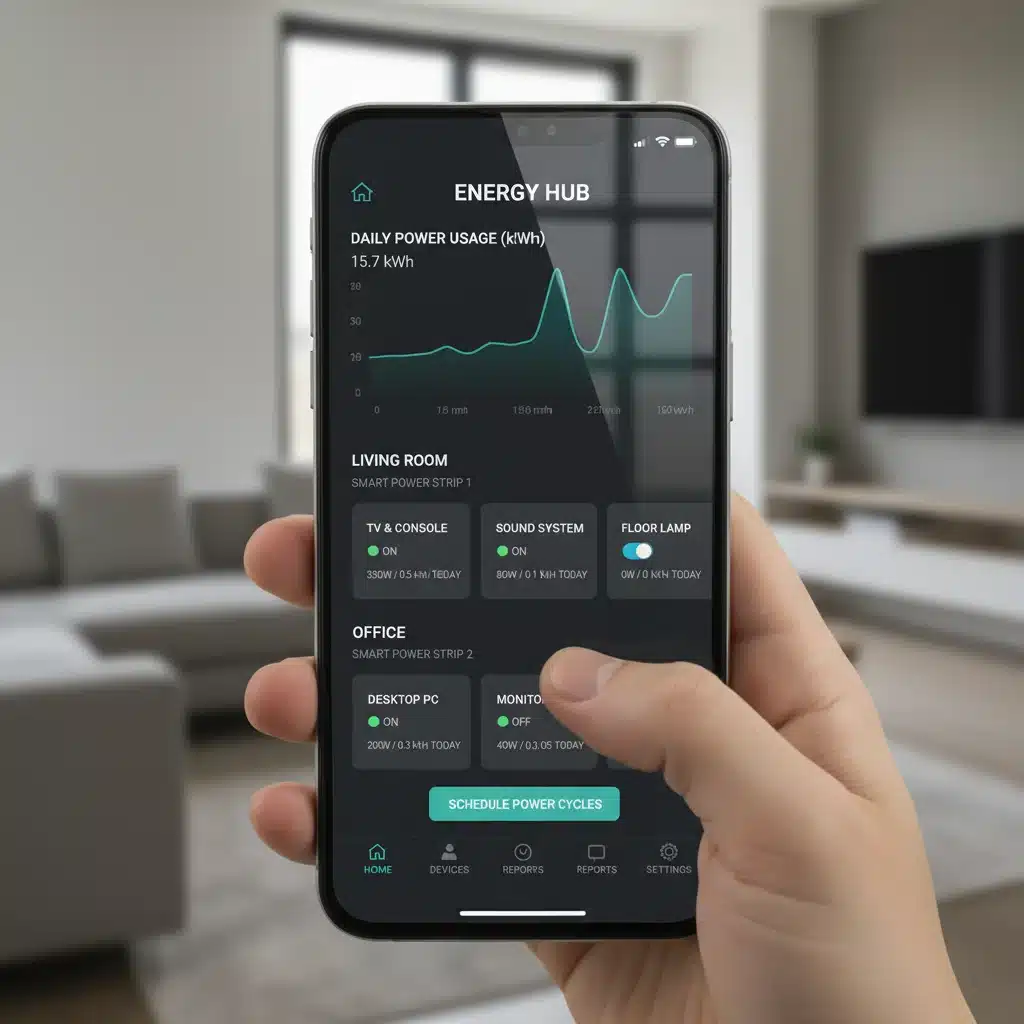
- Remote Control and App Integration: Modern smart power strips are often Wi-Fi enabled, allowing you to control individual outlets or the entire strip remotely via a smartphone app. This means you can turn off devices from anywhere, ensuring no energy is wasted when you’re away from home.
- Scheduling: With app integration, you can set schedules for when specific outlets should be powered on or off. This is ideal for devices that don’t need to be on 24/7, such as phone chargers overnight, coffee makers, or even holiday lights.
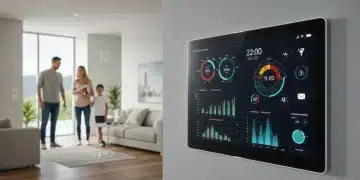
- Energy Monitoring: Many advanced smart power strips offer real-time energy consumption tracking for each connected device. This data can be invaluable for identifying which appliances are the biggest energy hogs and where you can make the most significant savings.
- Voice Control Integration: Seamless integration with smart home assistants like Amazon Alexa, Google Assistant, or Apple HomeKit allows for hands-free control, adding another layer of convenience to energy management.
The beauty of smart power strips lies in their automation. Once set up, they work in the background, diligently cutting off power to idle devices without requiring daily manual intervention. This automation is what makes them such an effective tool in the fight against phantom load, turning what used to be a chore into a seamless part of your smart home ecosystem.
The Evolution of Smart Power Strips: 2026 Innovations
The technology behind smart power strips has advanced considerably. What started as basic master/slave functionality has blossomed into sophisticated, interconnected devices. In 2026, we see several key innovations:
Advanced Connectivity and Protocols:
- Matter and Thread Support: The adoption of Matter and Thread protocols has significantly improved interoperability and reliability. This means smart power strips can communicate more effectively with a wider range of smart home devices and hubs, regardless of the manufacturer.
- Enhanced Wi-Fi 6/6E Integration: Faster and more stable Wi-Fi connections ensure quicker response times and more reliable remote control, even in congested network environments.
Smarter Automation and AI:
- AI-Powered Usage Prediction: Some high-end smart power strips now incorporate AI to learn your habits and predict when devices should be powered down. For instance, if your TV is typically off by 11 PM on weekdays, the strip can suggest or automatically implement a power-off schedule.
- Occupancy/Motion Sensing Integration: Future models are integrating more directly with home occupancy sensors, ensuring devices are only powered when a room is occupied. This takes automation to a new level beyond simple scheduling.
Improved Energy Monitoring and Analytics:
- Granular Energy Reporting: Beyond basic consumption, 2026 smart power strips offer more detailed analytics, breaking down energy use by device type, time of day, and even cost per hour, allowing for hyper-optimized energy management.
- Carbon Footprint Tracking: Many apps now include features to estimate the carbon emissions saved through reduced phantom load, providing an environmental incentive alongside financial savings.
Design and Safety Enhancements:
- Sleeker, Modular Designs: As aesthetics become more important, smart power strips are boasting more compact and visually appealing designs, often with modular components for customization.
- Advanced Surge Protection and Overload Detection: Enhanced safety features are standard, providing superior protection against power surges and automatically cutting power in case of overload, protecting your valuable electronics.
These innovations make smart power strips not just energy-saving tools, but integral components of a truly intelligent and efficient smart home. The focus has shifted from mere power management to predictive, integrated, and highly personalized energy optimization.
How Smart Power Strips Save You Over $100 Annually
The promise of saving over $100 annually isn’t an exaggeration; it’s a realistic outcome for most households that effectively deploy smart power strips. Let’s break down how these savings accumulate.
Quantifying Phantom Load Savings:
- Average Household Phantom Load: As mentioned, phantom load accounts for roughly 5-10% of a typical household’s electricity bill. For an average US household with an annual electricity bill of $1,500-$2,000, this translates to $75-$200 wasted annually.
- Targeted Elimination: By strategically placing smart power strips in areas with high concentrations of standby devices (e.g., entertainment centers, home offices, kitchen counters), you can virtually eliminate this waste.
- Example Scenario: Consider an entertainment setup: TV, cable box, soundbar, gaming console, and streaming device. Each might draw 5-10 watts in standby. If five devices draw an average of 7 watts each, that’s 35 watts continuously. Over a year, 35 watts * 24 hours/day * 365 days/year = 306,600 Wh or 306.6 kWh. At an average US electricity rate of $0.15/kWh, this single setup costs approximately $46 per year in phantom load. A single smart power strip can eliminate this entire cost.
- Multiple Locations: Extend this to a home office (computer, monitor, printer, speakers), a kitchen (coffee maker, microwave clock, toaster oven), and bedrooms (phone chargers, smart speakers), and the savings quickly multiply. Two to three strategically placed smart power strips can easily account for $100+ in annual savings.
Beyond Phantom Load: Optimized Usage:
The savings from smart power strips extend beyond just eliminating standby power. Their advanced features contribute to overall energy optimization:
- Scheduling: Automatically turning off devices that don’t need to be on overnight or during work hours (e.g., routers, modems, charging stations) prevents unnecessary active power draw.
- Remote Control: Forgetting to turn off a device before leaving home is no longer an issue. A quick tap on your smartphone app can power down forgotten electronics, saving energy from active use, not just standby.
- Energy Monitoring Insights: The data provided by smart power strips empowers you to make informed decisions. You might discover that an old appliance is drawing far more power than anticipated and decide to upgrade to a more energy-efficient model, leading to even greater savings.
While the initial investment in smart power strips can range from $25 to $70 per unit, the payback period is often less than a year, with continuous savings thereafter. This makes them a highly cost-effective upgrade for any energy-conscious household.
Choosing the Right Smart Power Strip for Your Home
With an increasing variety of smart power strips available in 2026, selecting the right one requires considering several factors. Not all strips are created equal, and the best choice depends on your specific needs and existing smart home ecosystem.
Key Features to Look For:
- Number and Type of Outlets: Assess how many devices you need to connect. Some strips offer only smart outlets, while others combine smart and always-on outlets (useful for devices like internet modems that should always be powered). Also, consider USB charging ports, which are becoming standard.
- Connectivity: Most smart power strips use Wi-Fi. Ensure compatibility with your home network (2.4 GHz is common, but some support 5 GHz or dual-band). For enhanced reliability and interoperability, look for Matter or Thread certified devices.
- Smart Home Ecosystem Compatibility: If you use Amazon Alexa, Google Assistant, or Apple HomeKit, ensure the power strip integrates seamlessly with your preferred ecosystem for voice control and unified app management.
- Energy Monitoring: For maximum savings and insights, choose a strip that offers real-time and historical energy consumption data, ideally on a per-outlet basis.
- Master/Slave Functionality: If you’re primarily aiming to eliminate phantom load from an entertainment center or computer setup, a strip with dedicated master/slave outlets is highly effective.
- Scheduling and Automation: Verify that the accompanying app provides robust scheduling options and allows for custom automation rules (e.g., turn off when everyone leaves home).
- Surge Protection: This is a crucial safety feature. Look for a strip with a high Joule rating (e.g., 2000+ Joules) to protect your valuable electronics from power surges.
- Physical Design: Consider the form factor. Some strips are long and thin, others are more compact. Look for spaced-out outlets to accommodate bulky power adapters.
- Brand Reputation and Reviews: Opt for reputable brands known for reliability, good customer support, and regular firmware updates. Read recent reviews to gauge user experience.
Installation and Setup:
Setting up most smart power strips is straightforward:
- Plug In: Connect the smart power strip to a wall outlet.
- Download App: Install the manufacturer’s companion app on your smartphone.
- Connect to Wi-Fi: Follow the app’s instructions to connect the power strip to your home Wi-Fi network.
- Add Devices: Plug your electronics into the power strip’s outlets.
- Configure: Use the app to name outlets, set schedules, enable master/slave functionality, and integrate with your smart home assistant.
It’s important to start with areas where you have the highest concentration of devices that draw phantom load, such as your home entertainment system or office. Gradually expand to other areas of your home as you become more comfortable with the technology.
Maximizing Your Savings with Smart Power Strips
While simply plugging in devices to a smart power strip will yield some savings, truly maximizing your annual $100+ requires a strategic approach and consistent utilization of their advanced features.
Strategic Placement and Grouping:
- Entertainment Hubs: This is often the biggest win. Group your TV, cable box, sound system, gaming consoles, and streaming devices onto one smart power strip. Use master/slave functionality with the TV as the master.
- Home Office: Connect your desktop, monitor, printer, external speakers, and phone/laptop chargers. Schedule them to power off after work hours.
- Kitchen Appliances: Plug in your coffee maker, toaster oven, and any other small appliances that don’t need continuous power. Use scheduling to have them ready when you need them and off when you don’t.
- Charging Stations: Dedicate a smart power strip for all your device chargers (phones, tablets, smartwatches). Schedule it to turn off a few hours after everyone is typically asleep to prevent overnight phantom draw from chargers.
Leveraging Automation Features:
- Scheduling is Key: Don’t just rely on manual control. Take advantage of the scheduling features for devices with predictable usage patterns.
- Smart Scenes/Routines: Integrate your smart power strips into your smart home routines. For example, a ‘Goodnight’ routine could not only turn off lights but also power down specific strips. An ‘Away’ routine could ensure all non-essential electronics are off.
- Energy Monitoring for Insights: Regularly review the energy consumption data provided by your smart power strips. This data can highlight unexpected energy drains and help you refine your automation strategies. You might find that a seemingly innocent device is consuming more power than you thought.
Best Practices for Long-Term Savings:
- Educate Household Members: Ensure everyone in the home understands how the smart power strips work and the importance of not bypassing them.
- Regular Review and Adjustment: As your device landscape or habits change, periodically review and adjust your power strip settings and schedules.
- Firmware Updates: Keep your smart power strip firmware updated to ensure optimal performance, security, and access to new features.
By implementing these strategies, you’ll not only eliminate phantom load but also gain a deeper understanding and control over your home’s overall energy consumption, leading to consistent and significant savings year after year.
Beyond Savings: Environmental Impact and Smart Home Integration
The benefits of adopting smart power strips extend far beyond just financial savings. They play a crucial role in reducing your environmental footprint and enhancing your overall smart home experience.
Environmental Impact:
- Reduced Carbon Emissions: Every watt saved means less electricity needs to be generated, which in turn means fewer fossil fuels are burned and fewer greenhouse gases are emitted. By eliminating phantom load, you are directly contributing to a reduction in your household’s carbon footprint.
- Sustainable Living: Integrating energy-saving technologies like smart power strips fosters a more sustainable lifestyle, promoting conscious consumption and reducing waste. This aligns with broader global efforts to combat climate change and conserve resources.
- Lower Demand on Grids: Collective efforts to reduce energy consumption, especially during peak hours, can alleviate strain on electrical grids, potentially reducing the need for costly and environmentally impactful infrastructure expansions.
Seamless Smart Home Integration:
- Centralized Control: Smart power strips become another node in your interconnected smart home. Through a single app or voice command, you can manage lighting, climate, security, and now, the power state of individual devices.
- Enhanced Automation Possibilities: The true power of a smart home lies in its ability to automate tasks based on various triggers. Imagine your ‘Leaving Home’ routine not just locking doors and adjusting the thermostat but also powering down your entire entertainment system and office setup via smart power strips. Or, your ‘Good Morning’ routine could activate the coffee maker plugged into a smart outlet.
- Data-Driven Decisions: The energy monitoring capabilities of smart power strips provide valuable data that can be integrated with other smart home analytics. This holistic view allows for more informed decisions about energy usage and potential upgrades.
- Future-Proofing Your Home: As smart home technology continues to evolve, investing in Matter and Thread compatible smart power strips ensures that your energy management solutions will remain relevant and interoperable with future devices and platforms.
By embracing smart power strips, you’re not just buying a gadget; you’re investing in a more efficient, sustainable, and intelligent way of living. They represent a simple yet powerful step towards a truly optimized smart home that benefits both your wallet and the planet.
The Future of Smart Power Strips and Energy Management
Looking ahead from 2026, the trajectory of smart power strips and broader energy management is exciting. We can anticipate even more sophisticated and integrated solutions.
Anticipated Developments:
- Predictive Maintenance and AI: Further advancements in AI will enable smart power strips to not only optimize energy use but also detect abnormal power draws that might indicate a faulty appliance, potentially preventing breakdowns or fire hazards.
- Grid Response and Demand-Side Management: Future smart power strips could play a more active role in demand-side management programs. They might automatically adjust power to non-critical devices during peak grid stress or when electricity prices are highest, based on signals from energy providers.
- Integration with Renewable Energy: For homes with solar panels or other renewable energy sources, smart power strips could intelligently prioritize powering devices when clean energy is abundant, maximizing self-consumption and reducing reliance on the grid.
- Hyper-Personalized Energy Profiles: Expect more granular user profiles that learn individual habits down to the minute, offering highly tailored energy-saving recommendations and automations that are almost invisible to the user.
- Enhanced Security and Privacy: As more devices connect, the focus on cybersecurity and data privacy for smart power strips will intensify, with stronger encryption and robust privacy controls becoming standard.
The journey of energy efficiency is continuous, and smart power strips are at the forefront of this evolution. They are evolving from simple energy savers to intelligent, adaptive components of a holistic home energy ecosystem. By understanding and embracing these technologies today, you are preparing your home for the energy challenges and opportunities of tomorrow.
Conclusion: Embrace Smart Power Strips for a Smarter, Greener Future
The year 2026 marks a significant point in the evolution of home energy management, with smart power strips emerging as an indispensable tool for every household. We’ve explored how these ingenious devices effectively combat the pervasive problem of phantom load, transforming wasted electricity into tangible annual savings of over $100. From their foundational master/slave functionality to the cutting-edge AI-powered automation and seamless smart home integration, smart power strips offer a compelling blend of convenience, control, and cost-effectiveness.
Beyond the immediate financial benefits, adopting smart power strips contributes to a larger, more impactful goal: reducing our collective carbon footprint and moving towards a more sustainable future. By making a conscious choice to manage your energy consumption intelligently, you’re not just optimizing your electricity bill; you’re playing an active role in environmental stewardship.
The decision to upgrade to smart power strips is a simple yet powerful one. With a wide array of options available, catering to various needs and budgets, there’s no better time to integrate these smart solutions into your home. Start by identifying high-phantom-load areas, choose strips with the features that matter most to you, and leverage their automation capabilities to set it and forget it. Embrace the power of smart technology to make your home not only smarter and more efficient but also significantly more economical. The future of energy saving is here, and it’s powered by smart power strips.