Multi-Room Audio Automation: Seamless Smart Speaker Synchronization for 2026
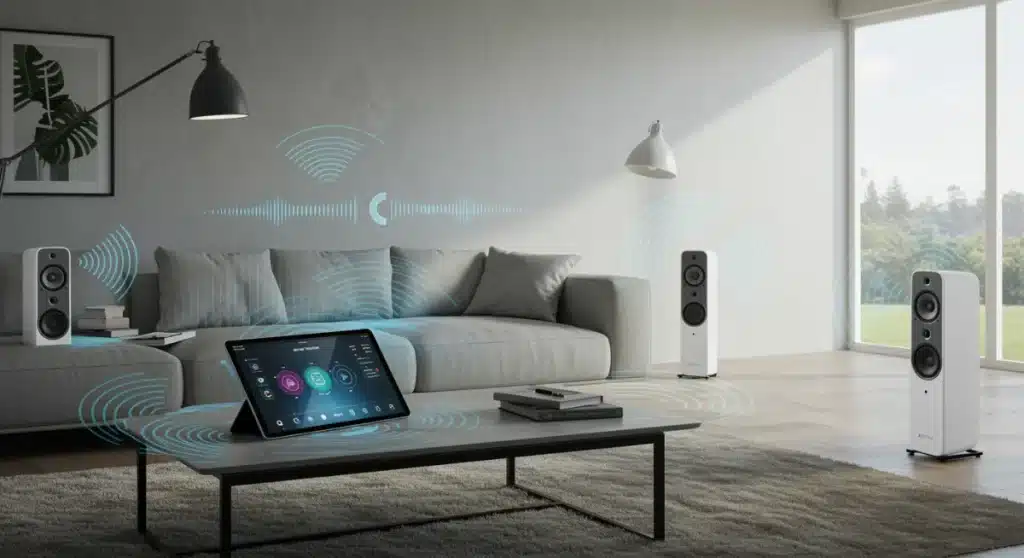
In the rapidly evolving landscape of smart home technology, the concept of a truly connected living space is no longer a futuristic dream but a tangible reality. Among the myriad innovations transforming our homes, multi-room audio automation stands out as a particularly immersive and enriching experience. Imagine walking from your kitchen to your living room, then to your bedroom, with your favorite podcast or playlist following you, perfectly synchronized and without interruption. This isn’t just about playing music; it’s about creating an atmosphere, a mood, and a seamless flow of sound that enhances every corner of your home. By 2026, multi-room audio automation, particularly the synchronization of smart speakers, will have reached new heights of sophistication and accessibility, fundamentally altering how we interact with sound in our personal spaces.
The journey towards this seamless audio experience has been gradual, marked by significant technological advancements. From rudimentary wired systems to complex wireless setups, and now to intuitive smart speaker networks, the evolution reflects a constant drive for convenience, quality, and integration. As we look towards 2026, the focus will intensify on interoperability, AI-driven personalization, and even more effortless control. This comprehensive guide will delve into the intricacies of multi-room audio automation, explore the current state of smart speaker technology, and provide a roadmap for achieving a perfectly synchronized soundscape in your home in the coming years.
Understanding the core principles of multi-room audio automation is crucial for anyone looking to upgrade their home entertainment system. It’s not merely about having multiple speakers; it’s about these speakers working in concert, controlled from a central point, and capable of playing different audio streams in different zones, or the same audio stream everywhere, all in perfect harmony. This level of control and flexibility is what truly defines a sophisticated multi-room audio setup, and smart speakers are at the heart of this revolution.
The Evolution of Multi-Room Audio: From Wired to Wireless and Beyond
The concept of distributing audio throughout a home is not new. For decades, custom installers have offered elaborate wired multi-room systems, often involving extensive cabling run through walls and ceilings, connected to central amplifiers and control panels. While these systems offered excellent sound quality and reliability, their high cost, complex installation, and lack of flexibility made them inaccessible to the average consumer. The advent of wireless technologies began to democratize multi-room audio, offering more straightforward installation and greater versatility.
Early Wireless Solutions and Their Limitations
Early wireless multi-room audio systems often relied on proprietary technologies that limited interoperability. This meant consumers were locked into a single brand’s ecosystem, restricting their choices and potentially leading to higher costs. Furthermore, issues such as signal interference, dropouts, and latency were common, hindering the promise of a truly seamless experience. Despite these challenges, these systems laid the groundwork for the more robust and user-friendly solutions we see today.
The Rise of Smart Speakers and Open Ecosystems
The true turning point for multi-room audio automation came with the widespread adoption of smart speakers. Devices like Amazon Echo, Google Nest, and Apple HomePod, initially designed as voice assistants, quickly evolved into capable audio devices. Their inherent connectivity, often leveraging Wi-Fi networks, provided a more stable and higher-bandwidth platform for audio streaming compared to earlier Bluetooth-only solutions. Crucially, as these ecosystems matured, they began to offer features specifically for multi-room playback, allowing users to group speakers and synchronize audio with relative ease.
What sets smart speakers apart is their integration with voice assistants and smart home platforms. This not only simplifies control but also opens up possibilities for automation. Imagine waking up to your favorite music gently playing in your bedroom, then continuing in the bathroom as you get ready, all triggered by your morning routine. This level of intelligent integration is what defines the next generation of multi-room audio. By 2026, we anticipate even deeper integration, with AI assistants predicting your audio preferences based on time of day, your activities, and even your mood.
Key Technologies Driving Multi-Room Audio Automation in 2026
Several technological pillars underpin the sophisticated multi-room audio automation we expect to see by 2026. Understanding these technologies is key to appreciating the capabilities and future potential of smart speaker systems.
Wi-Fi Connectivity and Mesh Networks
Reliable Wi-Fi is the backbone of any effective multi-room audio system. Unlike Bluetooth, which has a limited range and bandwidth, Wi-Fi can transmit high-fidelity audio across an entire home. The proliferation of mesh Wi-Fi networks has further enhanced this capability, eliminating dead zones and ensuring a consistent, strong signal to all smart speakers. By 2026, Wi-Fi 6E and future iterations will offer even greater bandwidth and lower latency, crucial for maintaining perfect synchronization across numerous speakers, even in large homes.
Cloud-Based Processing and AI Integration
Many smart speaker functions, especially voice command processing and music streaming, rely heavily on cloud-based services. This allows for powerful computations and access to vast music libraries without requiring significant processing power on the device itself. Looking ahead to 2026, AI will play an even more prominent role. Machine learning algorithms will analyze listening habits, suggest personalized playlists, and even dynamically adjust audio settings based on room acoustics or the number of people present. Voice assistants will become more intuitive, understanding complex commands and context, making control of your multi-room audio automation system effortless.
Interoperability Standards and Open Protocols
One of the biggest hurdles in smart home adoption has been the fragmentation of ecosystems. Historically, a Sonos speaker wouldn’t play nicely with an Amazon Echo, and neither would fully integrate with a Google Nest device. However, the industry is moving towards greater interoperability. Initiatives like Matter, a new smart home connectivity standard, aim to create a more unified ecosystem where devices from different manufacturers can communicate seamlessly. By 2026, we expect Matter and similar open protocols to significantly simplify the setup and expansion of multi-room audio systems, allowing consumers unprecedented flexibility in choosing their preferred smart speakers.
Setting Up Your Multi-Room Audio Automation System for 2026
While the technology might seem complex, setting up a multi-room audio automation system with smart speakers is becoming increasingly straightforward. Here’s a step-by-step guide to get you started and anticipate future considerations:
1. Choose Your Ecosystem
The first decision is often the most critical: which smart speaker ecosystem will you embrace? Popular choices include Amazon Alexa (Echo devices), Google Assistant (Nest devices), Apple HomeKit (HomePod), and Sonos. While future interoperability standards like Matter will bridge some gaps, starting with a primary ecosystem often simplifies the initial setup and ensures the most robust feature set within that brand’s offerings. Consider which voice assistant you prefer, which music streaming services you use, and what other smart home devices you already own.
2. Select Your Smart Speakers
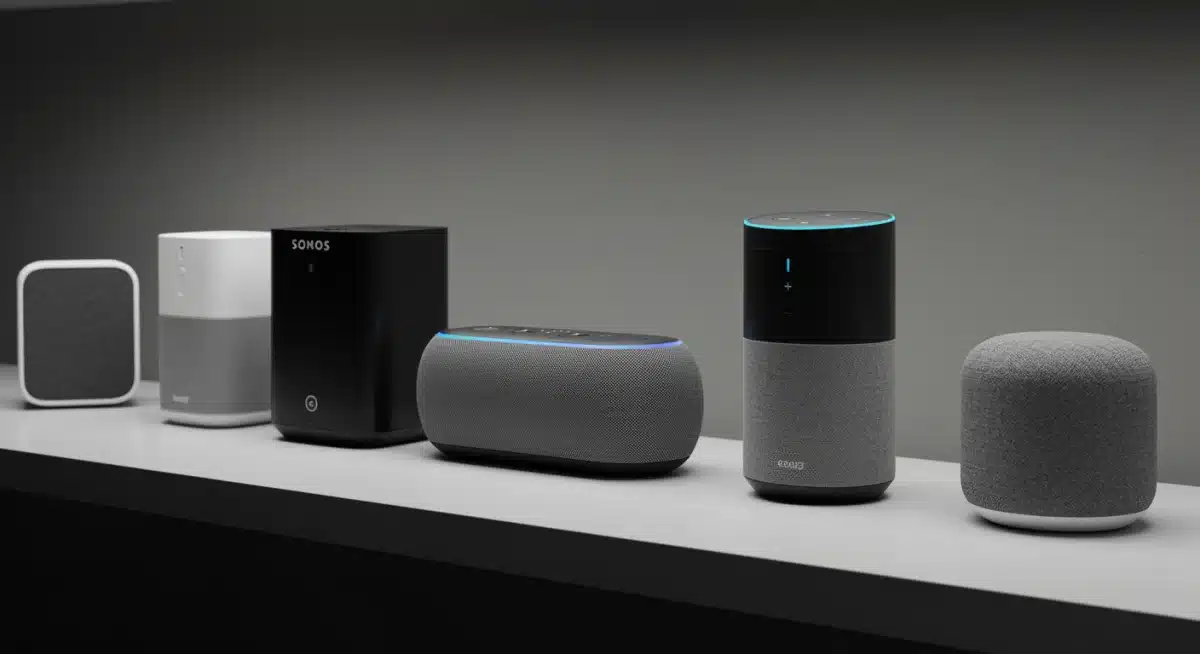
The market is flooded with smart speakers, ranging from compact, affordable options to high-fidelity audiophile-grade devices. For a multi-room setup, consider a mix of sizes and capabilities. Smaller speakers might be perfect for bathrooms or kitchens, while larger, more powerful speakers are ideal for living rooms or dedicated entertainment spaces. Pay attention to sound quality, connectivity options (Wi-Fi, Ethernet), and whether they support your chosen ecosystem’s multi-room features. By 2026, we’ll see even more specialized smart speakers, including those specifically designed for outdoor use or integrated directly into lighting fixtures.
3. Plan Your Zones and Placement
Think about how you want to divide your home into audio zones. Do you want separate control for each room, or do you prefer to group certain areas (e.g., open-plan living/dining)? Strategic placement of speakers is crucial for optimal sound distribution and coverage. Avoid placing speakers in corners or against walls if possible, as this can lead to boomy bass. Experiment with different positions to find the sweet spot in each room. Remember, the goal of multi-room audio automation is seamless sound, so ensure adequate coverage.
4. Network Configuration and Optimization
A robust Wi-Fi network is paramount. Ensure your router is up to the task, especially if you have many smart devices. Consider upgrading to a mesh Wi-Fi system for larger homes or those with thick walls that can impede signal strength. Dedicate a 5GHz band for audio streaming if possible, as it offers higher bandwidth and less interference than the 2.4GHz band. Regular firmware updates for your router and smart speakers are also essential for performance and security.
5. Software Setup and Grouping
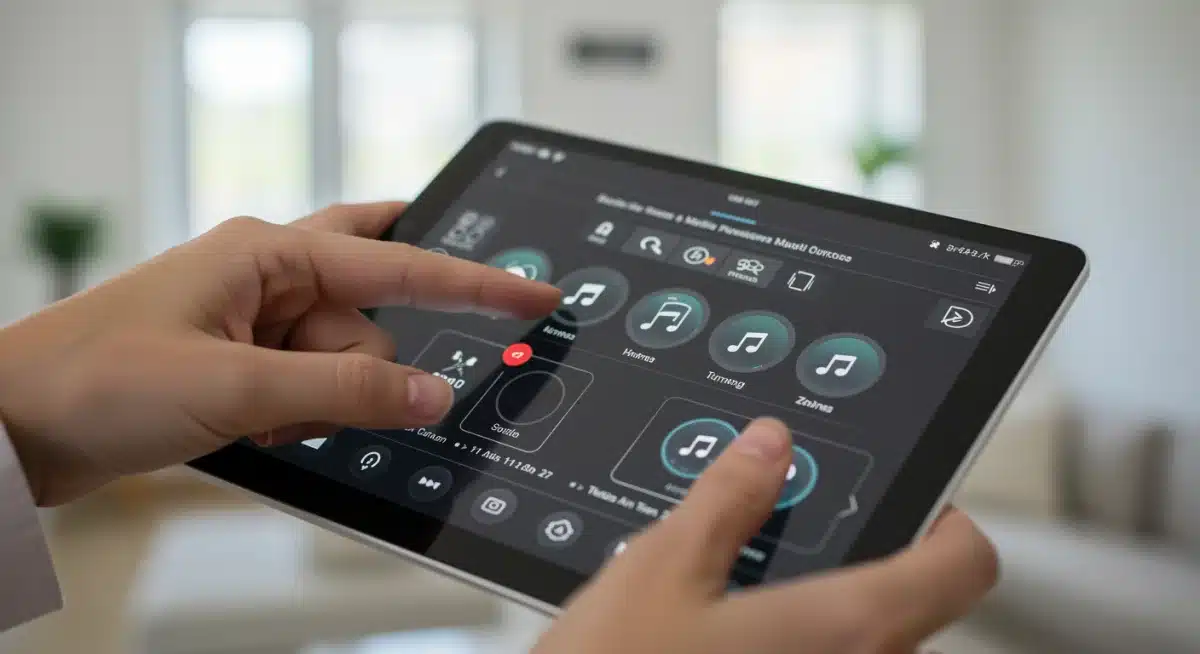
Once your speakers are connected to your Wi-Fi network, use the respective app (e.g., Alexa app, Google Home app, Sonos app) to configure them. This typically involves naming each speaker, assigning it to a room, and then creating speaker groups for multi-room playback. Most apps offer intuitive interfaces for creating custom groups, allowing you to play the same music across several rooms or different music in each. This step is where the magic of multi-room audio automation truly comes alive.
6. Integrate with Smart Home Routines
To truly automate your audio, integrate it into your smart home routines. For instance, create a ‘Morning Routine’ that turns on your lights, adjusts the thermostat, and starts playing a news brief or a calming playlist in your kitchen and bedroom simultaneously. A ‘Movie Night’ routine could dim the lights, close the blinds, and switch your living room speakers to a surround sound mode (if supported). The possibilities for intelligent automation are vast and will only expand by 2026.
Benefits of a Synchronized Smart Speaker System
The advantages of investing in multi-room audio automation extend far beyond simply playing music. It transforms your home into an intelligent, responsive environment that caters to your auditory preferences.
Seamless Auditory Experience
The most immediate benefit is the ability to enjoy uninterrupted audio as you move throughout your home. No more pausing music when you leave one room for another, or dealing with jarring transitions. The sound simply follows you, creating a cohesive and immersive soundscape.
Enhanced Home Entertainment
For parties or gatherings, a synchronized system allows you to fill your entire home with music, ensuring everyone can enjoy the same atmosphere, regardless of where they are. For more intimate settings, you can create distinct audio zones for different activities – a podcast in the kitchen, classical music in the study, and a movie soundtrack in the living room – all simultaneously.
Personalization and Customization
Multi-room audio automation offers unparalleled control over your listening environment. You can adjust volume levels for individual rooms, switch sources for specific speakers, and create custom playlists for different moods or occasions. Voice commands make these adjustments effortless, adding a layer of convenience that traditional audio systems can’t match.
Integration with Smart Home Ecosystems
As mentioned, smart speakers are often the central hub for other smart home devices. Integrating your audio with lighting, climate control, and security systems allows for complex, intelligent routines that enhance comfort and convenience. Imagine your smart home system detecting you’ve arrived home, simultaneously unlocking the door, turning on the lights, and starting your favorite ‘Welcome Home’ playlist throughout the main living areas.
Improved Sound Quality and Flexibility
Many smart speakers, especially those from premium brands, offer excellent sound quality. With multi-room setups, you can strategically place speakers to optimize acoustics in each area, often achieving better overall sound than a single, high-powered stereo system in one room. The flexibility to add or remove speakers as needed, or reconfigure zones, means your audio system can evolve with your living arrangements.
The Future of Multi-Room Audio: What to Expect by 2026
The pace of innovation in smart home technology shows no signs of slowing down. By 2026, we can anticipate several exciting developments that will further refine and expand the capabilities of multi-room audio automation.
Advanced AI and Contextual Awareness
Future smart speakers will be far more intelligent and contextually aware. They will learn your habits, preferences, and even emotional states. Imagine your system automatically switching from upbeat music to calming ambient sounds when it detects rising stress levels, or adjusting the volume based on ambient noise and the number of people in the room. AI will move beyond simple voice commands to truly anticipate your needs.
Enhanced Spatial Audio and Immersive Experiences
Spatial audio, which creates a three-dimensional soundscape, is already gaining traction in headphones and some soundbars. By 2026, we expect this technology to become more prevalent in multi-room smart speaker systems. This will allow for incredibly immersive experiences, whether you’re watching a movie with sound effects that seem to move around you, or listening to music with instruments placed precisely in your virtual space.
Seamless Interoperability and Universal Standards
As mentioned earlier, standards like Matter will mature, leading to truly seamless interoperability across brands. This means you’ll be able to mix and match smart speakers from different manufacturers, confident that they will work together perfectly in your multi-room setup. This will empower consumers with greater choice and foster innovation within the industry.
Integration with Augmented Reality (AR)
While still nascent, the convergence of AR and audio holds immense potential. Imagine wearing AR glasses that can project virtual interfaces for controlling your multi-room audio automation system, or even overlaying contextual audio information onto your environment. For example, walking into a room and seeing virtual labels above your speakers, showing what’s playing and allowing for gesture-based control.
Energy Efficiency and Sustainability
As technology advances, so does the focus on sustainability. Future smart speakers and multi-room systems will be designed with greater energy efficiency in mind, consuming less power in standby and operation. Manufacturers will also increasingly use recycled and responsibly sourced materials, contributing to a more eco-friendly smart home ecosystem.
Biometric and Environmental Sensing Integration
Beyond simple voice commands, smart speakers may integrate with biometric sensors (e.g., smart wearables) or environmental sensors to tailor audio experiences. For example, if your fitness tracker detects you’re exercising, the system could automatically start an energetic playlist. Environmental sensors could detect temperature changes or air quality, prompting the system to play calming sounds or white noise as appropriate.
Challenges and Considerations for Multi-Room Audio Automation
While the future of multi-room audio automation is bright, there are still challenges to address and considerations for consumers.
Privacy and Security Concerns
Smart speakers, with their always-on microphones, raise legitimate privacy concerns. Manufacturers are continually improving security measures, but users should remain vigilant, understanding how their data is collected and used. Choosing reputable brands with strong privacy policies and regularly reviewing privacy settings will be crucial.
Network Congestion and Latency
Even with advanced Wi-Fi, a home with numerous smart devices can experience network congestion, leading to audio dropouts or synchronization issues. Optimizing your network, potentially with dedicated access points for audio, will remain an important consideration for high-performance systems.
Cost of Entry and Scalability
While smart speakers are generally affordable, building a comprehensive multi-room system with multiple high-quality speakers can still represent a significant investment. However, the modular nature of these systems allows for gradual expansion, adding speakers as budget allows.
Complexity of Advanced Features
As multi-room audio systems become more sophisticated with AI and advanced automation, the initial setup and configuration of complex routines might still require some technical savviness. However, intuitive user interfaces and AI-driven assistance are expected to mitigate this challenge by 2026.
Conclusion: The Harmonious Future of Home Audio
By 2026, multi-room audio automation, powered by increasingly intelligent and interconnected smart speakers, will be a cornerstone of modern smart homes. The ability to effortlessly synchronize audio across every corner of your living space, personalize your listening experience with AI, and integrate seamlessly with other smart devices will transform the way we interact with sound. The days of static, isolated audio systems are rapidly fading, replaced by dynamic, responsive soundscapes that adapt to our lives.
Embracing this technology means stepping into a world where your home is not just a collection of rooms, but a cohesive, intelligent environment designed to enhance your comfort, entertainment, and well-being through the power of sound. As the technology continues to evolve, the possibilities for creating truly personalized and immersive auditory experiences will only expand, making the harmonious home of the future a delightful reality.
Whether you’re a casual listener or an audiophile, the advancements in multi-room audio automation offer compelling reasons to explore and invest in this exciting domain. Start planning your synchronized soundscape today, and be ready to experience the future of home entertainment by 2026.