The 2026 Guide to Home Energy Audits: Uncover Hidden Waste and Save $500 Annually
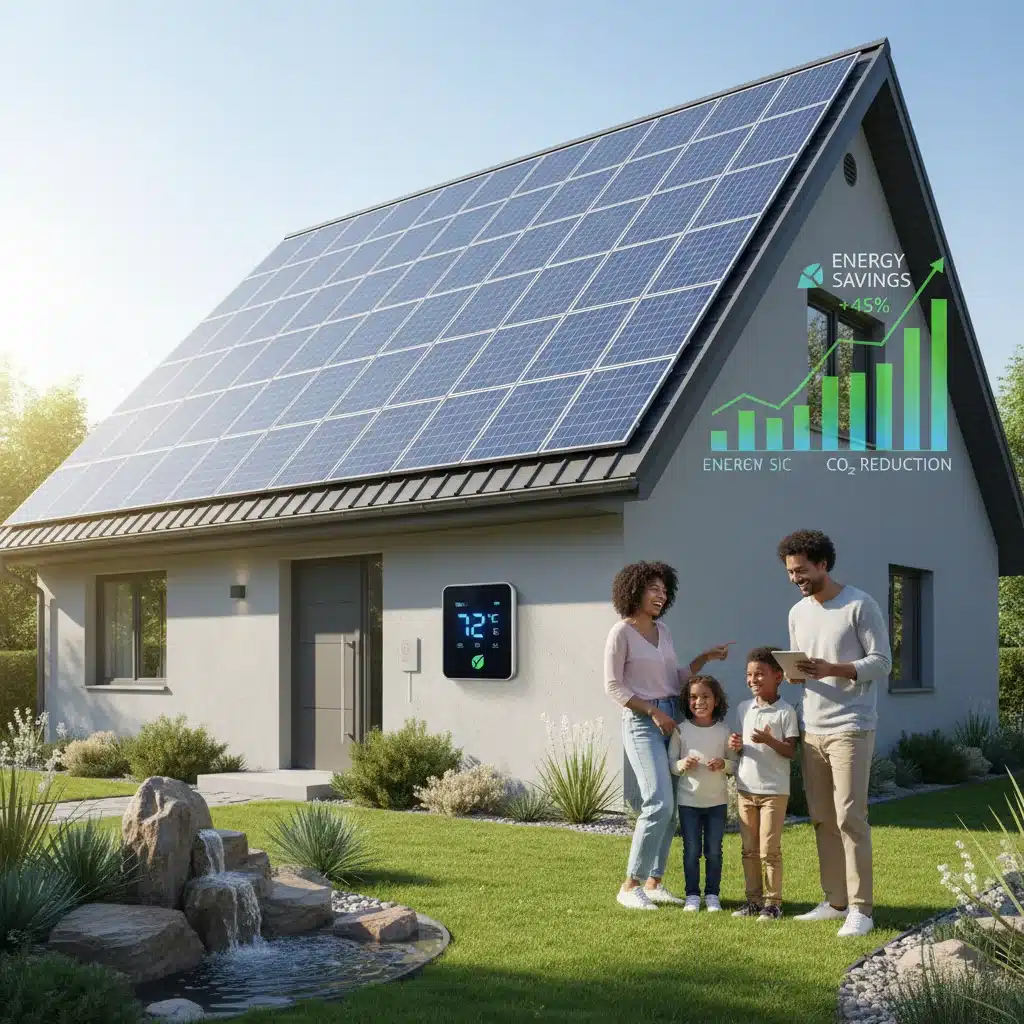
In an era where sustainability and cost-saving are paramount, understanding your home’s energy consumption is more crucial than ever. For homeowners in 2026, a home energy audit isn’t just a recommendation; it’s a strategic move towards a more efficient, comfortable, and valuable living space. Imagine reclaiming up to $500 annually from your utility bills, simply by identifying and addressing the hidden inefficiencies lurking within your walls. This comprehensive guide will walk you through everything you need to know about conducting a home energy audit, from simple DIY checks to professional assessments, ensuring you’re empowered to make informed decisions for your home and your wallet.
The 2026 Guide to Home Energy Audits: Uncover Hidden Waste and Save $500 Annually
Why a Home Energy Audit is Essential in 2026
The landscape of energy consumption is constantly evolving. With rising energy costs, advancements in smart home technology, and a growing global emphasis on environmental responsibility, homeowners are actively seeking ways to reduce their carbon footprint and save money. A home energy audit serves as the diagnostic tool for your residence, much like a check-up for your health. It pinpoints exactly where your home is losing energy, allowing you to prioritize improvements that yield the greatest return on investment.
The Financial Incentive: Saving Hundreds Annually
One of the most compelling reasons to conduct a home energy audit is the significant financial savings it can unlock. Industry experts estimate that a thorough audit followed by targeted improvements can reduce your annual energy bills by 5% to 30%. For many households, this translates to hundreds of dollars—potentially $500 or more—that can be reallocated to other financial goals or simply enjoyed. These savings aren’t just a one-time benefit; they compound year after year, making your home more affordable to operate for the long term.
Enhanced Home Comfort and Indoor Air Quality
Beyond the financial benefits, a home energy audit directly contributes to a more comfortable living environment. Drafts, inconsistent temperatures, and excessive humidity are often symptoms of energy inefficiencies. By sealing air leaks, improving insulation, and optimizing your HVAC system, an audit helps create a home that maintains a consistent, pleasant temperature year-round. This also often leads to improved indoor air quality by reducing the infiltration of pollutants and allergens from outside.
Increased Home Value and Marketability
In 2026, prospective homebuyers are increasingly prioritizing energy-efficient homes. A home with documented energy efficiency improvements, stemming from a professional home energy audit, can command a higher market value and sell more quickly. It signals to buyers that the home is well-maintained, cost-effective to run, and ready for the future. Investing in a home energy audit is, therefore, an investment in your property’s long-term value.
Understanding the Home Energy Audit Process
A home energy audit is a systematic evaluation of your home’s energy performance. It involves examining various components of your house to identify areas of energy loss and recommend solutions. Whether you opt for a DIY approach or hire a professional, the core objective remains the same: to make your home more energy-efficient.
What Does a Home Energy Audit Cover?
- Building Envelope: This includes walls, roof, foundation, windows, and doors. Auditors look for air leaks, inadequate insulation, and inefficient window performance.
- HVAC System: Heating, ventilation, and air conditioning systems are major energy consumers. An audit assesses their efficiency, ductwork integrity, and proper sizing.
- Water Heating: The efficiency of your water heater and hot water distribution system is evaluated.
- Appliances and Lighting: While often less significant than the building envelope or HVAC, outdated appliances and inefficient lighting can still contribute to energy waste.
- Renewable Energy Potential: Some audits may also assess the feasibility of integrating solar panels or other renewable energy sources.
DIY Home Energy Audit: Your First Step to Savings
You don’t need to be an expert to start identifying significant energy waste in your home. A DIY home energy audit can be incredibly effective for uncovering obvious issues and can serve as an excellent precursor to a professional audit. Here’s how to conduct your own home energy audit:
1. The Visual Inspection: Look for the Obvious
Start with a simple walk-through of your entire home, inside and out. Keep a notebook handy to jot down observations.
- Windows and Doors: Check for visible gaps around frames, worn weatherstripping, or damaged caulking. Can you feel a draft?
- Outlets and Switches: Feel for drafts coming from electrical outlets and light switches, especially on exterior walls.
- Attic and Basement/Crawl Space: Look for adequate insulation. Is it evenly distributed? Are there gaps? Check for moisture issues.
- Fireplace Damper: Ensure it closes tightly when not in use.
- Exhaust Fans: Confirm they vent to the outside, not into the attic.
- Ductwork: In unfinished basements or attics, look for disconnected or poorly sealed duct seams.
2. The "Smoke" Test: Finding Air Leaks
This simple test helps you locate hidden air leaks. On a breezy day, or by turning on all exhaust fans to create negative pressure, light an incense stick or use a smoke pencil and slowly move it around common leak areas:
- Around window and door frames
- Electrical outlets and switch plates
- Plumbing penetrations (under sinks, behind toilets)
- Attic hatches and access panels
- Along baseboards and crown molding
If the smoke stream wavers or gets sucked into an opening, you’ve found an air leak that needs sealing.
3. Insulation Check: Is it Enough?
Proper insulation is key to maintaining a comfortable indoor temperature. In your attic, measure the depth of your insulation. General recommendations for most climates in 2026 suggest R-values equivalent to 10-14 inches of fiberglass or cellulose insulation. If your insulation is significantly less, or if you see bare spots, it’s a prime area for improvement.
4. Appliance and Lighting Assessment
- Appliances: Check the age of your major appliances (refrigerator, dishwasher, washing machine, dryer). If they’re more than 10-15 years old, they are likely far less efficient than modern Energy Star certified models.
- Lighting: Are you still using incandescent bulbs? Switching to LED lighting throughout your home can significantly reduce electricity consumption for illumination.
5. Water Heater Efficiency
Check the temperature setting on your water heater. Most households can comfortably use water heated to 120°F (49°C). Higher settings waste energy and can pose a scalding risk. Also, consider insulating older water tanks and hot water pipes.
When to Call a Professional Home Energy Auditor
While a DIY home energy audit is a great starting point, professional auditors have specialized tools and expertise to uncover issues that are invisible to the naked eye. They can provide a more comprehensive analysis and often offer a detailed action plan with estimated savings.
Advanced Diagnostic Tools Used by Professionals
Professional energy auditors utilize sophisticated equipment to get a precise picture of your home’s energy performance:
- Blower Door Test: This involves mounting a powerful fan into an exterior doorway to depressurize the house. This exaggerates air leaks, making them easier to detect and measure. It provides an accurate metric of your home’s overall airtightness.
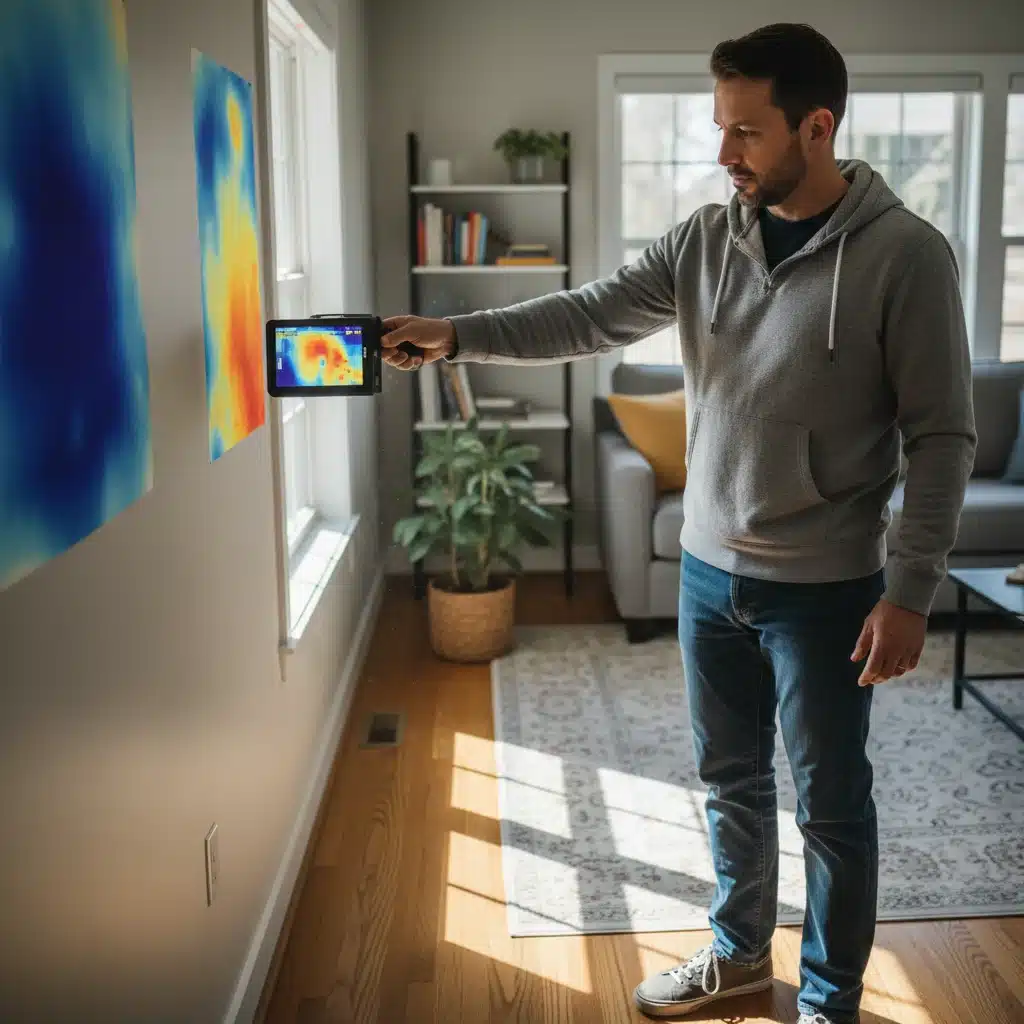
- Thermal Imaging (Infrared) Camera: These cameras detect temperature differences, revealing areas where heat is escaping or cold air is entering. This is invaluable for identifying inadequate insulation, thermal bridging, and hidden air leaks within walls and ceilings.
- Duct Blaster Test: Similar to a blower door test but specifically for your ductwork, this measures the airtightness of your heating and cooling ducts, identifying leaks that can dramatically reduce HVAC efficiency.
- Combustion Appliance Zone (CAZ) Testing: This ensures that gas-fired appliances (furnaces, water heaters, fireplaces) are operating safely and not back-drafting combustion gases into your home.
What to Expect from a Professional Audit
A typical professional home energy audit takes 2-4 hours, depending on the size and complexity of your home. The auditor will:
- Interview You: They’ll ask about your energy concerns, high utility bills, and any comfort issues you’ve experienced.
- Conduct a Thorough Inspection: This includes the exterior, attic, basement/crawl space, and all living areas, using their specialized tools.
- Perform Diagnostic Tests: Blower door, thermal imaging, and potentially duct blaster tests will be conducted.
- Provide a Detailed Report: This report will outline their findings, identify specific areas of energy waste, and recommend prioritized improvements.
- Offer an Action Plan: The report often includes estimated costs for improvements, potential energy savings, and information on available rebates or incentives.
Key Areas for Energy Efficiency Improvements Identified by a Home Energy Audit
Once your home energy audit is complete, you’ll likely have a list of recommended improvements. Here are some of the most common and impactful areas:
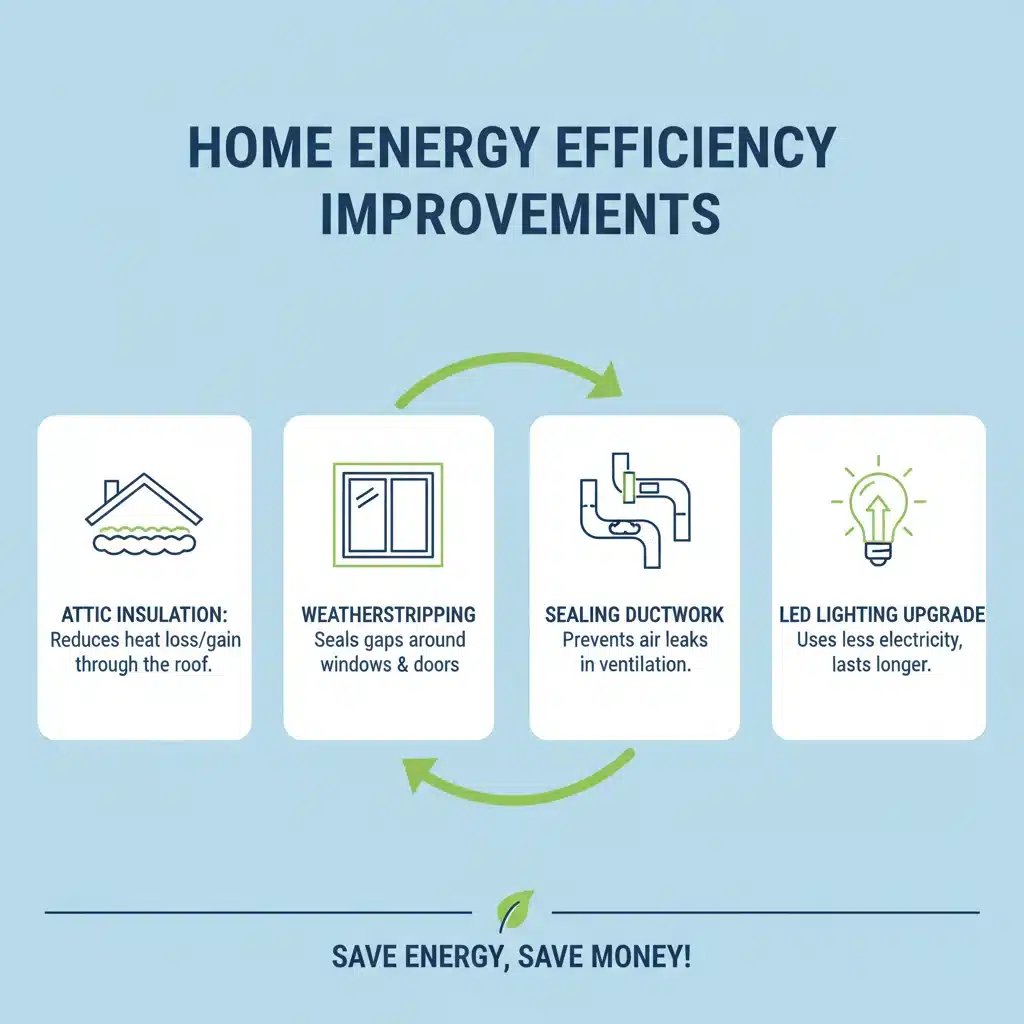
1. Air Sealing: The Low-Cost, High-Impact Solution
Air leaks are often the biggest culprit of energy waste. Sealing these leaks is one of the most cost-effective improvements you can make. Focus on:
- Caulking: Around windows, doors, and any penetrations in exterior walls.
- Weatherstripping: For doors and operable windows.
- Foam Sealant: For larger gaps, around pipes, wires, and ducts entering and exiting conditioned spaces.
- Outlet and Switch Gaskets: Simple foam gaskets can prevent drafts from electrical boxes on exterior walls.
- Attic Hatch/Access Panel Sealing: These are often overlooked but can be significant sources of air leakage.
2. Insulation Upgrades: Keeping Conditioned Air In
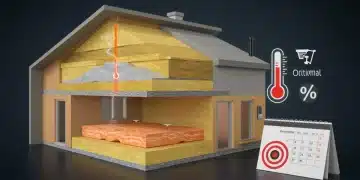
Proper insulation in your attic, walls, and floors is crucial for maintaining stable indoor temperatures. An audit will tell you if your current insulation meets recommended R-values for your climate zone.
- Attic Insulation: Often the easiest and most cost-effective place to add insulation.
- Wall Insulation: More challenging to add to existing homes, but can be done through blow-in methods or during renovations.
- Rim Joist Insulation: In basements or crawl spaces, insulating the rim joists can significantly reduce cold drafts and heat loss.
3. HVAC System Optimization: The Heart of Your Home’s Comfort
Your heating and cooling system is a major energy consumer. An audit might recommend:
- Duct Sealing and Insulation: Leaky or uninsulated ducts in unconditioned spaces (attics, crawl spaces) can lose a significant amount of heated or cooled air.
- HVAC Tune-up and Maintenance: Regular professional maintenance ensures your system runs efficiently.
- Thermostat Upgrade: A smart thermostat can optimize heating and cooling schedules, learning your preferences and saving energy.
- System Replacement: If your HVAC system is old and inefficient, a high-efficiency replacement might be recommended, offering substantial long-term savings.
4. Window and Door Enhancements
While often expensive, replacing old, single-pane windows with high-performance, energy-efficient models can make a big difference, especially if your existing windows are in poor condition. Less costly alternatives include:
- Storm Windows: An excellent way to improve the efficiency of existing windows.
- Window Films: Can reduce heat gain in summer.
- Heavy Curtains or Blinds: Provide an extra layer of insulation.
5. Water Heating Efficiency
Consider these improvements for your water heater:
- Tankless Water Heater: Heats water on demand, eliminating standby heat loss.
- Heat Pump Water Heater: Uses ambient air to heat water, significantly more efficient than traditional electric models.
- Insulating Hot Water Pipes: Reduces heat loss as hot water travels to your faucets.
Maximizing Your Savings: Beyond the Audit
A home energy audit is the roadmap; implementing the recommendations is where the savings truly begin. But your journey to an energy-efficient home doesn’t end there. Continuous awareness and smart habits can further amplify your savings.
Leveraging Smart Home Technology
Modern smart home devices offer unparalleled control and insight into your energy usage.
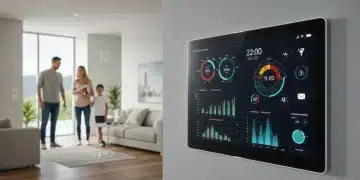
- Smart Thermostats: Learn your schedule, optimize temperatures, and can be controlled remotely.
- Smart Plugs: Monitor and control the energy consumption of individual appliances, eliminating "vampire load" (power drawn by electronics even when turned off).
- Energy Monitoring Systems: Provide real-time data on your whole-home energy consumption, helping you identify energy hogs.
Adopting Energy-Saving Habits
Even small changes in daily routines can lead to significant savings over time:
- Unplug Electronics: When not in use, especially chargers and entertainment systems.
- Full Loads: Run dishwashers and washing machines only when full.
- Air Dry: Hang clothes to dry when possible instead of using a dryer.
- Strategic Window Use: Open windows for natural ventilation on cool days, close them and use blinds on hot days.
- Regular Maintenance: Clean or replace HVAC filters monthly.
Exploring Rebates and Incentives
In 2026, many governments, utility companies, and local organizations offer rebates, tax credits, and financing options for energy efficiency improvements. After your home energy audit, research what programs are available in your area. These incentives can significantly reduce the upfront cost of upgrades, making them even more attractive.
The Future of Home Energy Audits: Trends for 2026 and Beyond
The field of home energy efficiency is rapidly evolving. Here’s a glimpse into what homeowners can expect in the coming years:
AI-Powered Audits
Expect more sophisticated AI and machine learning algorithms to analyze your home’s energy data, providing even more precise recommendations and predictive maintenance alerts. AI could soon integrate with smart home devices to optimize energy usage autonomously.
Integrated Building Systems
Homes will increasingly feature interconnected systems where HVAC, lighting, appliances, and even renewable energy sources communicate and optimize for peak efficiency, often managed through a central smart home platform.
Focus on Electrification and Decarbonization
Audits will place a greater emphasis on transitioning away from fossil fuels, recommending upgrades like heat pumps for heating and cooling, and induction cooktops, powered by renewable electricity where possible.
Personalized Energy Roadmaps
Professional auditors will offer even more tailored, long-term energy roadmaps, taking into account future energy price predictions, technological advancements, and individual homeowner goals.
Conclusion: Take Control with a Home Energy Audit
A home energy audit in 2026 is more than just an inspection; it’s an investment in your home’s future. It’s a proactive step towards significant financial savings, enhanced comfort, and a reduced environmental impact. Whether you start with a DIY assessment or jump straight to a professional evaluation, the knowledge gained will empower you to make intelligent decisions about your home’s energy consumption. By uncovering hidden waste and implementing targeted improvements, you can look forward to saving hundreds of dollars annually, enjoying a more comfortable living space, and contributing to a sustainable future. Don’t let your hard-earned money escape through leaky windows or poorly insulated walls. Take control of your home’s energy destiny today.