Smart Home Automation: 10+ Daily Tasks for 2026 Efficiency
Maximizing Your Smart Home’s Potential: Automating 10+ Daily Tasks for a More Efficient 2026
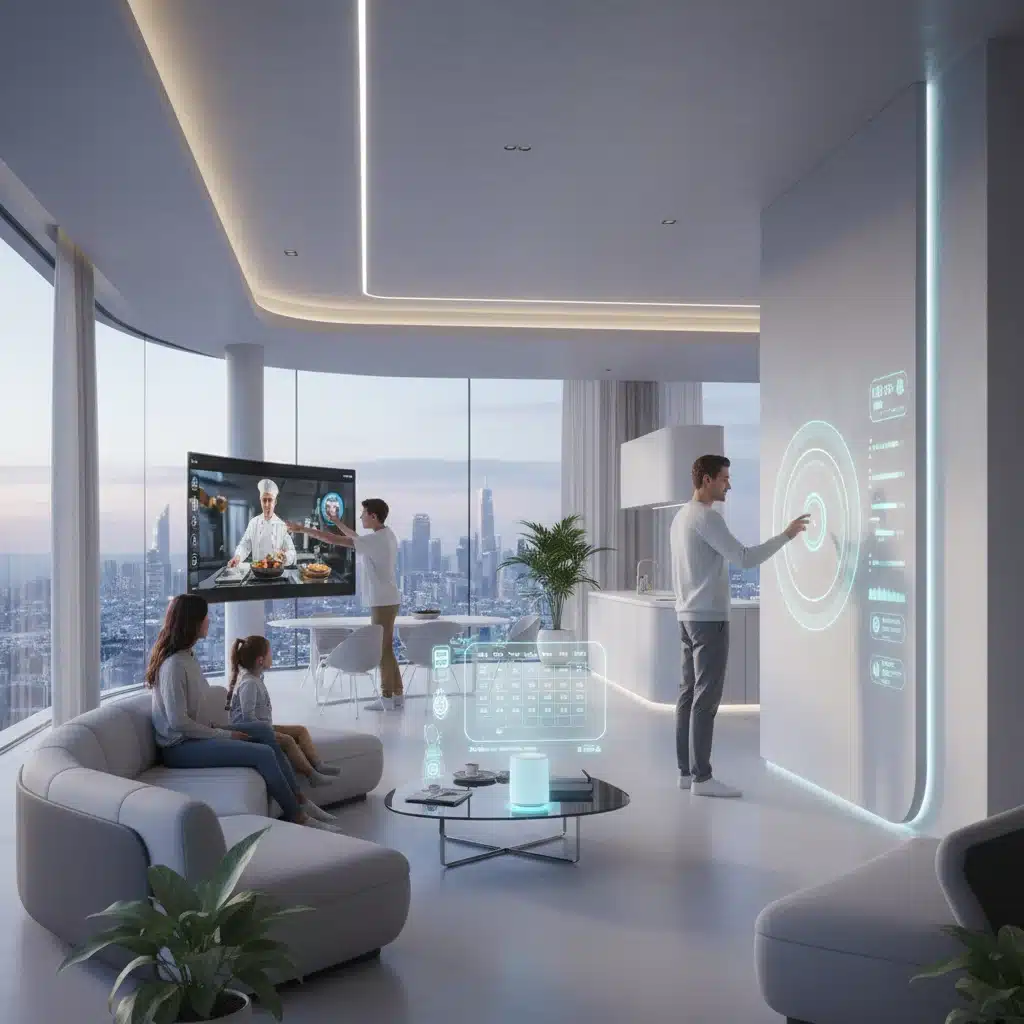
The dawn of 2026 brings with it unprecedented opportunities to transform our living spaces into intelligent, responsive environments. With advancements in artificial intelligence, Internet of Things (IoT) devices, and seamless connectivity, Smart Home Automation is no longer a luxury but a powerful tool for enhancing daily efficiency and overall quality of life. Imagine a home that anticipates your needs, handles routine chores, and optimizes energy consumption without a second thought. This isn’t science fiction; it’s the reality achievable today through strategic smart home automation.
In this comprehensive guide, we will delve deep into the world of smart home automation, exploring how you can automate over 10 daily tasks to streamline your life, boost productivity, and create a truly intuitive living experience. From waking up to winding down, every aspect of your day can be touched by the magic of smart technology. We’ll cover everything from simple lighting adjustments to complex security protocols, all designed to make your home work for you, allowing you to reclaim valuable time and mental energy.
The goal is not just to add gadgets to your home, but to integrate them into a cohesive system that simplifies your life. Effective Smart Home Automation is about creating harmony between technology and your lifestyle, leading to a more comfortable, secure, and energy-efficient future. Let’s embark on this journey to unlock the full potential of your smart home.
The Foundation of a Smart Home: Understanding Smart Home Automation
Before we dive into specific automations, it’s crucial to understand what Smart Home Automation truly entails. At its core, it’s the ability to program devices in your home to perform actions automatically, based on triggers, schedules, or user commands. These devices, often connected via Wi-Fi, Bluetooth, or specialized smart home protocols like Zigbee or Z-Wave, communicate with each other and with a central hub or application.
Key Components of a Smart Home System:
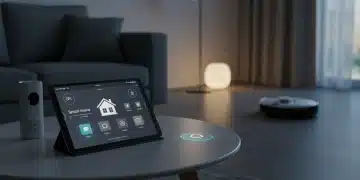
- Smart Hub/Controller: The brain of your smart home, coordinating all connected devices. Examples include Amazon Echo, Google Nest Hub, Apple HomePod, or dedicated systems like SmartThings.
- Smart Devices: Individual gadgets like smart lights, thermostats, locks, cameras, and appliances.
- Sensors: Devices that detect changes in the environment, such as motion, temperature, light levels, or door/window status, acting as triggers for automation.
- Connectivity: The network infrastructure (Wi-Fi, Ethernet) and communication protocols that enable devices to talk to each other.
- Automation Routines/Scenes: Pre-programmed sequences of actions that occur when certain conditions are met.
The beauty of Smart Home Automation lies in its versatility. You can start small, automating a single task, and gradually expand your system as your needs evolve. The key is to think about repetitive tasks or areas where you desire more comfort, security, or efficiency. By understanding these fundamentals, you’re well-equipped to begin automating your daily life for a more efficient 2026.
Automating Your Mornings: Start Your Day Right
The morning routine often sets the tone for the entire day. By implementing Smart Home Automation, you can transform chaotic mornings into serene, productive beginnings. Here are several tasks you can automate:
1. The Gentle Wake-Up Call: Smart Lighting and Sounds
Instead of a jarring alarm, imagine waking up to simulated sunrise. Smart lights can gradually brighten in your bedroom, mimicking natural light to gently rouse you from sleep. Simultaneously, your smart speaker can play soft, ambient music or a personalized news briefing. This automation can be triggered by a set time or even by an upcoming calendar event. It’s a simple yet profound way to improve your morning experience.
2. Perfect Morning Brew: Automated Coffee Makers
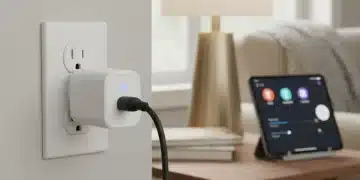
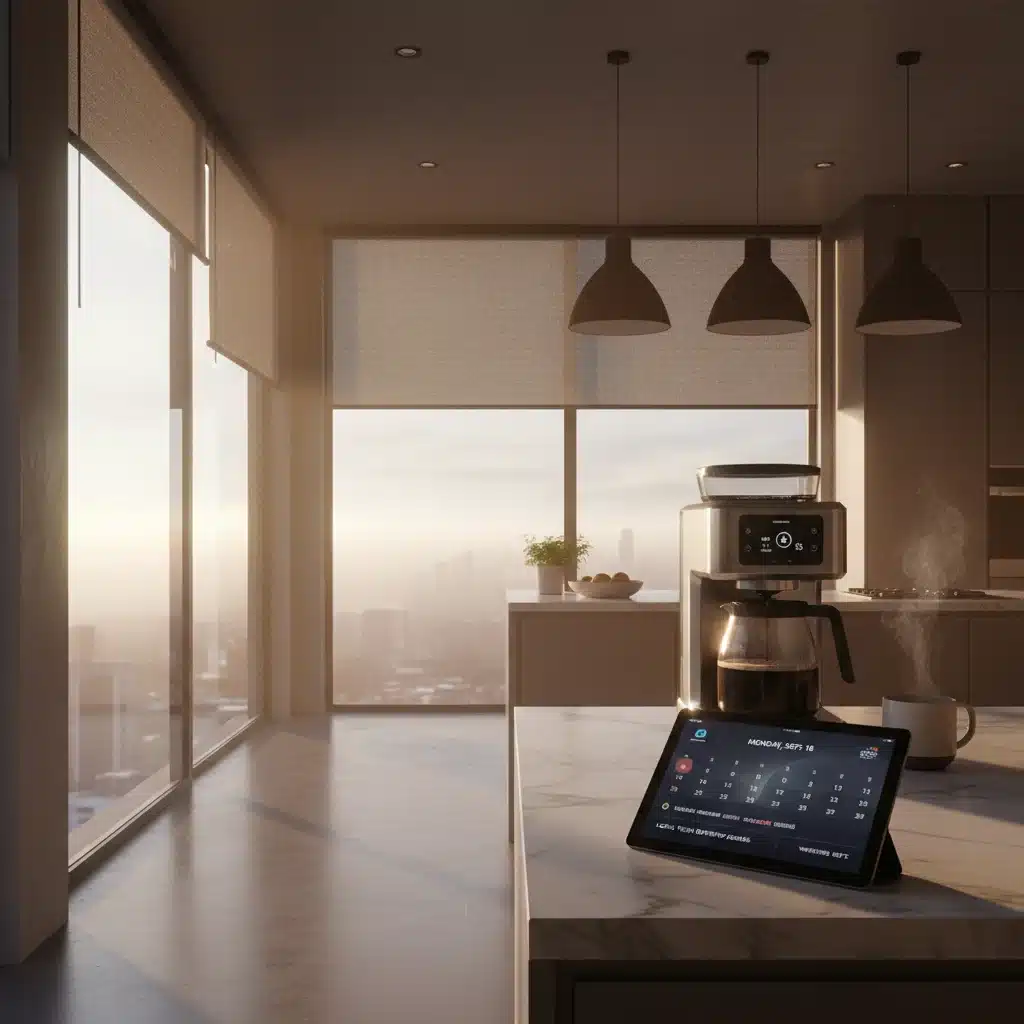
Who doesn’t love waking up to the aroma of freshly brewed coffee? With a smart coffee maker, you can schedule your brew to start just before your alarm goes off. Some smart plugs can even turn on a regular coffee maker at a pre-set time, ensuring your morning cup is ready and waiting. This small convenience makes a big difference in starting your day on a positive note, a true hallmark of effective Smart Home Automation.
3. Climate Control for Comfort: Smart Thermostats
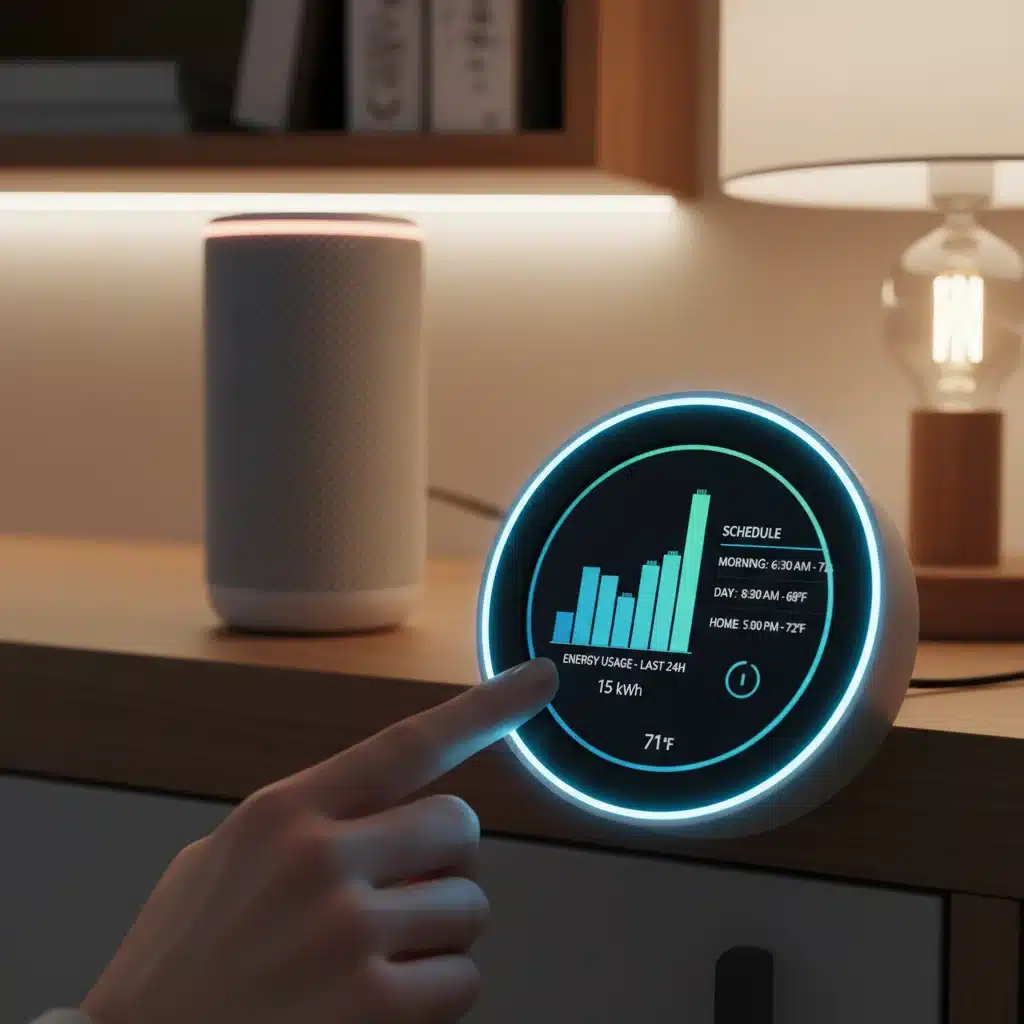
No more shivering in a cold house or sweating in an overly warm one. A smart thermostat can learn your preferences and adjust the temperature before you wake up, ensuring your home is at the perfect comfort level. You can program it to warm up or cool down based on your morning schedule, saving energy when you’re asleep and ensuring immediate comfort upon waking.
4. News and Weather Updates: Voice Assistants
Integrate your smart speaker into your morning routine. As you get ready, your voice assistant can provide a quick rundown of the day’s weather, traffic conditions, and top news headlines. This hands-free information delivery keeps you informed without requiring you to pick up your phone, further enhancing the seamless experience of Smart Home Automation.
Streamlining Your Daytime: Efficiency While You’re Away or Working
Your smart home doesn’t just work when you’re there; it can also manage tasks efficiently while you’re out or focused on work.
5. Energy Savings: Automated Lighting and Appliance Shutdown
Leaving lights on or appliances plugged in unnecessarily can be a significant energy drain. With smart plugs and smart lighting, you can set routines to turn off all non-essential devices when you leave the house. Geofencing, a feature in many smart home apps, can detect when your phone leaves a certain radius and trigger these actions automatically. This is a prime example of how Smart Home Automation contributes to both convenience and sustainability.
6. Enhanced Security: Smart Locks and Cameras
Never worry about forgetting to lock the door again. Smart locks can automatically secure your home when you leave. Paired with smart security cameras, you can monitor your property remotely, receive alerts for unusual activity, and even communicate with visitors or delivery personnel through two-way audio. This level of security and peace of mind is invaluable.
7. Package Deliveries: Smart Doorbells and Lockboxes
Missed deliveries are a thing of the past. A smart doorbell allows you to see and speak to delivery drivers from anywhere, even granting temporary access to a smart lockbox for secure package placement. This ensures your parcels are safe and sound until you return, a small yet significant improvement in daily logistics made possible by Smart Home Automation.
Effortless Evenings: Winding Down and Relaxing
As the day concludes, your smart home can transition into an evening mode, setting the stage for relaxation and preparing for the next day.
8. Ambient Lighting for Relaxation: Smart Scenes
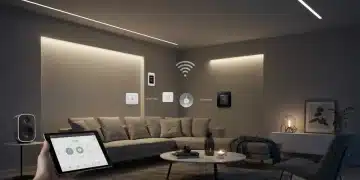
Create custom lighting scenes for different evening activities. A ‘movie night’ scene could dim the lights, change their color to a warm hue, and even close smart blinds. A ‘reading’ scene might focus brighter light on your favorite armchair. These subtle adjustments contribute significantly to the ambiance and comfort of your home, showcasing the aesthetic benefits of Smart Home Automation.
9. Dinner Prep Assistance: Smart Kitchen Appliances
Smart ovens can preheat remotely, smart refrigerators can suggest recipes based on available ingredients, and smart slow cookers can be monitored and adjusted from your phone. While full meal preparation still requires human input, these automations reduce friction and make cooking a more enjoyable experience.
10. Bedtime Routines: Preparing for Rest
A well-executed bedtime routine can significantly improve sleep quality. Your smart home can assist by gradually dimming lights, adjusting the thermostat to an optimal sleeping temperature, and activating soothing sounds or white noise from your smart speaker. Smart blinds can also close automatically, ensuring privacy and darkness. This comprehensive approach to rest is a testament to the power of Smart Home Automation.
Beyond the Basics: Advanced Smart Home Automation for 2026
As technology progresses, so do the possibilities for smart home automation. Here are a few advanced scenarios that are becoming increasingly accessible in 2026:
11. Predictive Maintenance and Appliance Monitoring
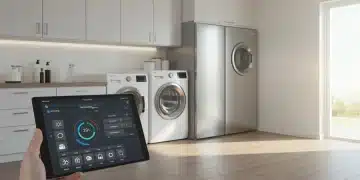
Imagine your smart washing machine alerting you to a potential issue before it becomes a major breakdown, or your smart filter pitcher notifying you when it’s time for a replacement. Advanced sensors and AI are enabling devices to monitor their own health and usage patterns, proactively scheduling maintenance or ordering consumables. This moves Smart Home Automation from reactive to predictive, saving time and money.
12. Personalized Environmental Control
Beyond simple temperature adjustments, future smart homes will offer hyper-personalized environmental control. This includes regulating humidity, air quality (with smart air purifiers), and even scent diffusion based on your preferences or health needs. Imagine your home adjusting the environment to combat seasonal allergies or to promote focus during work hours.
13. Enhanced Accessibility and Elder Care
Smart Home Automation has immense potential for improving accessibility and supporting independent living for the elderly or those with disabilities. Voice control, motion-activated lighting, automated door locks, and discreet monitoring systems can provide safety, convenience, and peace of mind for both residents and their caregivers. This humanitarian aspect of smart home technology is rapidly expanding.
14. Garden and Yard Management
Your smart home extends beyond its walls. Automated irrigation systems can water your lawn based on weather forecasts and soil moisture levels, saving water and keeping your garden vibrant. Robotic lawnmowers can maintain your yard on a schedule, and smart outdoor lighting can enhance security and ambiance. This comprehensive approach ensures your entire property benefits from Smart Home Automation.
Getting Started with Smart Home Automation: A Step-by-Step Guide
Feeling overwhelmed? Don’t be. Implementing Smart Home Automation can be a gradual and rewarding process. Here’s how to get started:
1. Identify Your Needs and Pain Points
What daily tasks do you find most tedious or time-consuming? Where do you feel your home could be more comfortable, secure, or energy-efficient? Start with one or two areas that would make the biggest impact on your daily life. Perhaps it’s always forgetting to turn off lights, or wanting a perfectly brewed coffee upon waking.
2. Choose a Smart Home Ecosystem
Most smart devices are designed to work within specific ecosystems (e.g., Apple HomeKit, Google Home, Amazon Alexa). While many devices offer cross-compatibility, choosing a primary ecosystem can simplify management and ensure smoother integration. Research which ecosystem best fits your existing devices and preferences.
3. Start Small and Expand
You don’t need to automate your entire home overnight. Begin with a single automation, like smart lighting in one room or a smart thermostat. As you become more familiar with the technology, you can gradually add more devices and create more complex routines. This incremental approach makes Smart Home Automation less daunting.
4. Prioritize Security and Privacy
As you connect more devices to your network, ensure they come from reputable brands with strong security features. Use strong, unique passwords for all accounts and enable two-factor authentication whenever possible. Understand the privacy policies of the apps and services you use.
5. Experiment and Optimize
Smart Home Automation is an ongoing process. Don’t be afraid to experiment with different routines and settings. What works best for one person might not work for another. Regularly review your automations to ensure they are still serving your needs and making your life more efficient. Fine-tuning is key to truly maximizing your smart home’s potential.
The Benefits of Embracing Smart Home Automation in 2026
The advantages of integrating Smart Home Automation into your life are multifaceted and extend beyond mere convenience:
- Increased Efficiency and Time Savings: By automating routine tasks, you free up valuable time and mental energy to focus on more important aspects of your life.
- Enhanced Comfort and Convenience: Your home adapts to your preferences, creating an environment that is always just right, whether it’s the perfect temperature or optimal lighting.
- Improved Security and Peace of Mind: Remote monitoring, smart locks, and automated alerts provide a robust layer of security for your property and loved ones.
- Significant Energy Savings: Smart thermostats, lighting, and appliance management can drastically reduce your energy consumption, leading to lower utility bills and a smaller carbon footprint.
- Greater Accessibility: For individuals with mobility challenges or disabilities, smart home technology can provide a newfound sense of independence and control over their environment.
- Future-Proofing Your Home: Investing in smart home technology often increases your property’s value and prepares it for the evolving technological landscape.
The year 2026 is poised to be a pivotal moment for smart home technology, with more intuitive interfaces, robust device integration, and advanced AI capabilities becoming standard. Embracing Smart Home Automation now means positioning yourself at the forefront of this revolution, enjoying a living experience that is not only smarter but genuinely better.
Conclusion: Your Home, Smarter Than Ever for 2026
The journey to a fully automated smart home is an exciting one, filled with possibilities to simplify and enrich your daily life. By strategically implementing Smart Home Automation for over 10 daily tasks, you can transform your residence into an intelligent partner that anticipates your needs, manages chores, and keeps you comfortable and secure. From the moment you wake up to the time you drift to sleep, your smart home can work tirelessly in the background, creating an environment of unparalleled efficiency and convenience.
Remember, the power of Smart Home Automation lies not just in the individual devices, but in how they connect and interact to create a seamless, integrated experience. Start small, identify your priorities, and gradually build a system that truly reflects your lifestyle. The future of living is here, and it’s smarter than ever. Embrace the potential of Smart Home Automation and step into a more efficient, comfortable, and intelligent 2026.