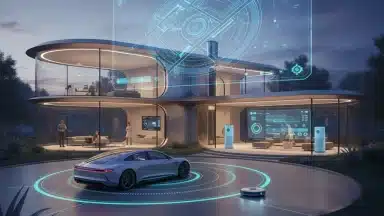
Integrating Smart Appliances: Achieving a Fully Automated Kitchen Workflow for 2026
The kitchen of tomorrow is here today. Discover how smart appliance integration is revolutionizing our culinary spaces, creating a seamless and truly automated kitchen workflow that promises unparalleled efficiency and convenience by 2026.
The concept of a ‘smart home’ has rapidly evolved from a futuristic fantasy to a tangible reality. At the heart of this evolution, the kitchen stands out as a prime candidate for technological transformation. No longer just a place for cooking, the modern kitchen is becoming a central hub of innovation, driven by the powerful trend of smart appliance integration. As we approach 2026, the vision of a fully automated kitchen workflow is not just a possibility, but an expectation for many homeowners seeking to streamline their daily routines and enhance their quality of life.
Imagine a kitchen where your refrigerator not only tells you what ingredients you have but also suggests recipes based on your dietary preferences and even orders groceries when supplies run low. Picture an oven that preheats itself at the optimal time, a coffee maker that brews your morning cup precisely when your alarm goes off, and a dishwasher that runs itself during off-peak energy hours. This isn’t science fiction; it’s the promise of a well-executed automated kitchen workflow, powered by the intelligent integration of smart appliances.
This article delves into the exciting world of smart appliance integration, exploring the technologies, benefits, and practical steps to achieving a truly automated kitchen workflow by 2026. We’ll examine the key components, discuss the challenges and solutions, and provide insights into how you can transform your kitchen into a hub of efficiency and culinary delight.
The Foundation of an Automated Kitchen Workflow: Connectivity
At the core of any successful automated kitchen workflow is robust connectivity. Smart appliances communicate with each other, with your smart home hub, and with you, often through Wi-Fi, Bluetooth, or proprietary mesh networks. This interconnectedness allows for a symphony of automated tasks, where one appliance’s action can trigger another’s, creating a seamless flow of operations.
Understanding IoT in the Kitchen
The Internet of Things (IoT) is the backbone of smart appliance integration. Each smart appliance in your kitchen is essentially an IoT device, equipped with sensors, software, and network connectivity, allowing it to collect and exchange data. This data is then used to automate tasks, provide insights, and respond to your commands, whether direct or pre-programmed. For instance, an IoT-enabled air quality sensor could detect smoke and automatically activate your smart range hood, while simultaneously sending an alert to your phone.
The Role of Smart Hubs and Platforms
While individual smart appliances offer convenience, their true power is unlocked when integrated into a unified system through a smart home hub or platform. Devices like Amazon Alexa, Google Home, Apple HomeKit, or dedicated smart home systems (e.g., Samsung SmartThings, Hubitat) act as central command centers. They allow you to control all your smart appliances from a single interface, create complex routines, and enable cross-device communication. This centralized control is crucial for building an effective automated kitchen workflow, ensuring all components work in harmony rather than as disparate units.
Key Smart Appliances for Your Automated Kitchen Workflow
To build a truly automated kitchen workflow, you’ll need to consider a range of smart appliances, each contributing to the overall efficiency and intelligence of your culinary space. Here are some of the most impactful:
Smart Refrigerators: The Brain of Your Kitchen
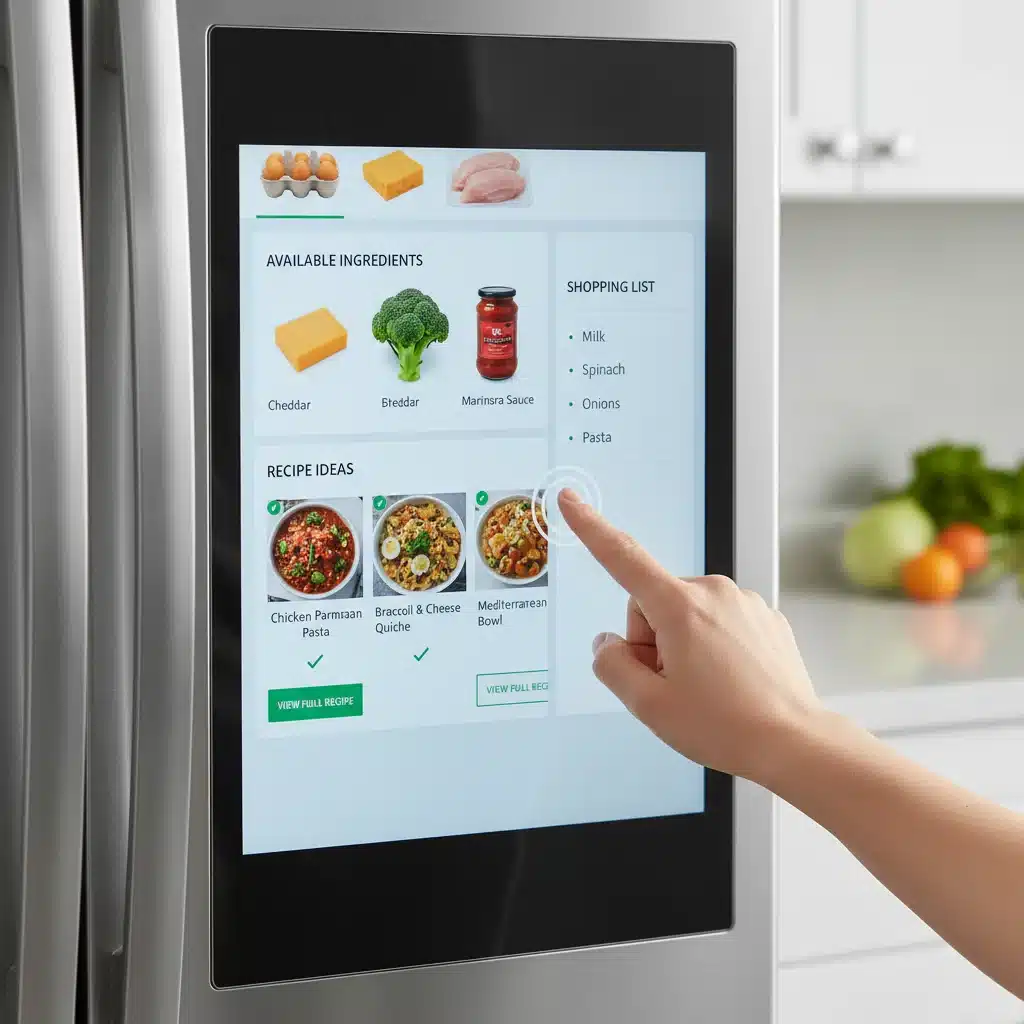
Modern smart refrigerators go far beyond keeping food cold. They are equipped with internal cameras to show you what’s inside without opening the door, touchscreens for displaying recipes or family calendars, and AI-driven inventory management systems. They can track expiration dates, suggest meal plans based on available ingredients, and even automatically add items to your grocery list. Some models can even connect to your smart oven, sending preheating instructions based on a chosen recipe. This makes the smart refrigerator a foundational element for a truly automated kitchen workflow.
Smart Ovens and Cooktops: Precision and Convenience
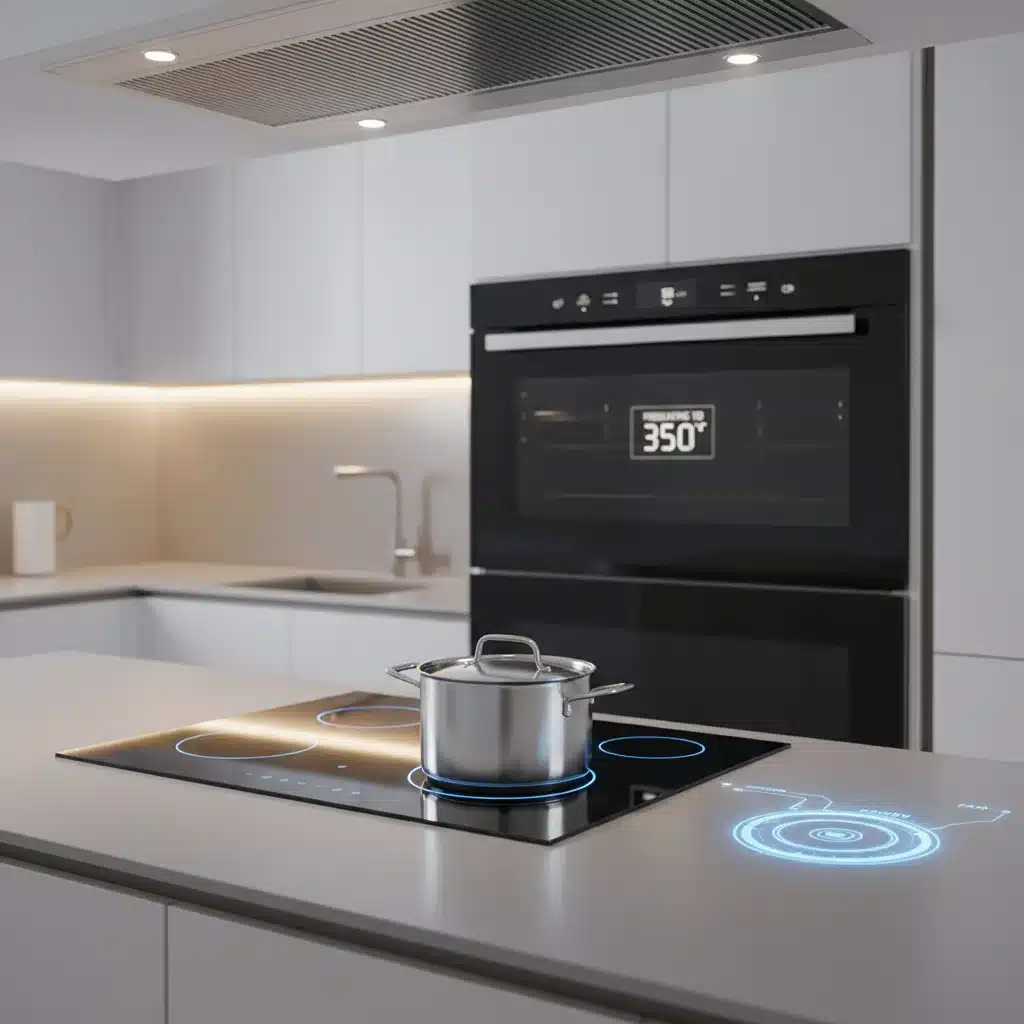
Smart ovens offer remote preheating, precise temperature control, and integration with recipe apps. Some even feature built-in cameras to monitor your food’s progress without opening the door, or air fry capabilities. Smart cooktops, particularly induction models, can communicate with compatible cookware to automatically adjust heat, and some can even sync with smart range hoods to activate ventilation as soon as cooking begins. These appliances are essential for automating the actual cooking process, making your automated kitchen workflow more efficient and less hands-on.
Smart Dishwashers: Optimized Cleaning
Smart dishwashers can be programmed to run during off-peak energy hours, saving you money. They can also detect the level of grime on dishes and adjust wash cycles accordingly, or even order detergent when it’s running low. Notifications can be sent to your phone when a cycle is complete, or if there’s a maintenance issue. Integrating your dishwasher into your automated kitchen workflow ensures that even cleanup is optimized and hassle-free.
Small Smart Appliances: Expanding Automation
Don’t underestimate the power of smaller smart appliances. Smart coffee makers can start brewing at a scheduled time or when your smart alarm clock signals you’re awake. Smart blenders can follow pre-programmed recipes. Smart food processors can automate chopping and mixing tasks. Even smart scales can integrate with recipe apps to ensure precise measurements. These devices, when integrated, contribute significantly to a comprehensive automated kitchen workflow, handling repetitive tasks and freeing up your time.
Designing Your Automated Kitchen Workflow: Practical Steps for 2026
Implementing an automated kitchen workflow isn’t about haphazardly buying smart gadgets; it requires careful planning and integration. Here’s a step-by-step guide:
Step 1: Assess Your Needs and Lifestyle
Before making any purchases, consider how you currently use your kitchen and what aspects you’d like to automate. Do you want to simplify meal prep, reduce energy consumption, or just add convenience? Understanding your priorities will guide your appliance choices and integration strategies. A busy professional might prioritize remote control and scheduling, while a home chef might focus on precision cooking and recipe integration. This initial assessment is crucial for tailoring your automated kitchen workflow to your specific requirements.
Step 2: Choose a Central Smart Home Platform
Consistency is key. Select a smart home platform (e.g., Google Home, Amazon Alexa, Apple HomeKit, SmartThings) and try to choose appliances that are compatible with it. This ensures seamless communication and simplifies management. A unified platform is the cornerstone of an effective automated kitchen workflow, allowing all your devices to speak the same language.
Step 3: Phased Integration and Testing
Don’t try to automate everything at once. Start with a few key appliances, integrate them, and test their functionality. For example, begin with a smart refrigerator and oven. Once you’re comfortable with their integration, gradually add more devices. This phased approach allows you to troubleshoot issues and refine your automated kitchen workflow as you go.
Step 4: Create Routines and Automations
This is where the magic of an automated kitchen workflow truly comes alive. Use your smart home platform to create routines. For example:
- Morning Routine: Alarm goes off → Smart coffee maker starts brewing → Smart blinds open in the kitchen.
- Dinner Prep Routine: You leave work → Smart oven preheats to 375°F → Smart lights in the kitchen turn on to a warm setting.
- Cleanup Routine: Smart dishwasher starts at 10 PM (off-peak) → Smart faucet indicates water usage.
These routines transform individual smart appliances into a cohesive, intelligent system.
Advanced Automation: AI, Machine Learning, and Predictive Capabilities
As we move closer to 2026, the automated kitchen workflow is becoming even more sophisticated, leveraging artificial intelligence (AI) and machine learning (ML) to offer predictive capabilities and personalized experiences.
AI-Powered Meal Planning and Nutrition
Future smart kitchens will use AI to analyze your eating habits, dietary restrictions, and even health data from wearables to suggest highly personalized meal plans. Your smart refrigerator will not only track inventory but also anticipate your needs, suggesting recipes that utilize ingredients before they expire and recommending grocery orders based on your upcoming meal schedule. This level of intelligent assistance will redefine the automated kitchen workflow, making healthy eating effortless.
Predictive Maintenance and Energy Efficiency
AI will also play a crucial role in predictive maintenance, monitoring the performance of your appliances and alerting you to potential issues before they become major problems. Furthermore, ML algorithms will optimize energy consumption, learning your usage patterns and adjusting appliance operations to minimize electricity costs without compromising convenience. Imagine your smart oven automatically switching to a lower power mode during peak hours if it detects you’re not home, then resuming full power just before you arrive. This intelligent energy management is a key benefit of an advanced automated kitchen workflow.
Addressing Challenges in Smart Appliance Integration
While the benefits are clear, achieving a fully automated kitchen workflow isn’t without its challenges. Understanding and addressing these will ensure a smoother transition.
Interoperability and Standardization
One of the biggest hurdles is the lack of universal interoperability standards. Different brands and ecosystems (e.g., Google, Apple, Amazon) sometimes struggle to communicate seamlessly. However, initiatives like Matter and Thread are working towards creating a unified standard, which will significantly simplify smart appliance integration by 2026. Until then, choosing a consistent ecosystem or utilizing a robust smart home hub that supports multiple protocols is essential for your automated kitchen workflow.
Security and Privacy Concerns
As more devices connect to the internet, security and privacy become paramount. Smart appliances collect data, and protecting this information from cyber threats is crucial. Always choose reputable brands with strong security protocols, use strong, unique passwords for your smart home network, and keep your device firmware updated. Educating yourself on smart home security best practices is an integral part of maintaining a secure automated kitchen workflow.
Cost of Entry and Return on Investment
The initial investment in smart appliances can be substantial. However, consider the long-term benefits: energy savings, reduced food waste, increased convenience, and improved quality of life. As technology advances and becomes more widespread, prices are expected to become more accessible, making an automated kitchen workflow a more viable option for a broader range of consumers by 2026. The return on investment often extends beyond monetary savings to include time saved and enhanced daily living.
The Future of the Automated Kitchen Workflow Beyond 2026
Looking beyond 2026, the potential for the automated kitchen workflow is truly limitless. We can anticipate even more sophisticated integration and capabilities:
Robotics in the Kitchen
While still in nascent stages for residential use, robotic assistants could become a more common sight. Imagine robotic arms that can load and unload dishwashers, or even perform basic food preparation tasks like chopping vegetables under your supervision. This would elevate the automated kitchen workflow to an an entirely new level of hands-free operation.
Augmented Reality (AR) for Cooking
AR could transform how we interact with recipes and cooking instructions. Imagine projecting step-by-step guides directly onto your countertop, highlighting where to cut or how much ingredient to add, guided by your smart oven or scale. This visual and interactive assistance would make complex recipes accessible to everyone, further enhancing the user experience within an automated kitchen workflow.
Hyper-Personalization and Health Integration
The kitchen will become even more attuned to individual health and wellness needs. Integration with personal health trackers, genetic data, and even real-time biometric feedback could lead to hyper-personalized nutrition plans, automatically adjusted recipes, and even recommendations for cooking methods that optimize nutrient retention. The automated kitchen workflow will not just be about convenience, but about holistic well-being.
Conclusion: Embracing the Automated Kitchen Workflow
The journey towards a fully automated kitchen workflow by 2026 is an exciting one, promising a future where our kitchens are not just functional spaces, but intelligent partners in our daily lives. From smart refrigerators that manage our groceries to ovens that cook with precision and dishwashers that optimize cleaning, the integration of smart appliances is set to transform our culinary experiences.
By carefully planning, choosing compatible platforms, and embracing a phased approach to integration, homeowners can unlock the immense potential of an automated kitchen workflow. While challenges like interoperability and security exist, ongoing advancements and industry initiatives are paving the way for a more seamless and secure smart kitchen environment.
As technology continues to evolve, our kitchens will become even more intuitive, predictive, and personalized, offering unparalleled convenience, efficiency, and a touch of futuristic magic. The automated kitchen workflow is not just a trend; it’s the inevitable evolution of our homes, making daily life simpler, smarter, and more enjoyable.
Are you ready to embrace the future of cooking? Start exploring smart appliance integration today and take the first step towards your own fully automated kitchen workflow for 2026 and beyond.