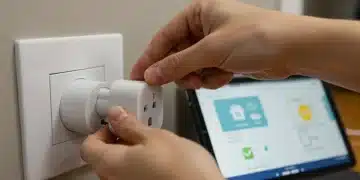
DIY Smart Blinds 2026: Automate 4 Windows in a Weekend for Enhanced Privacy
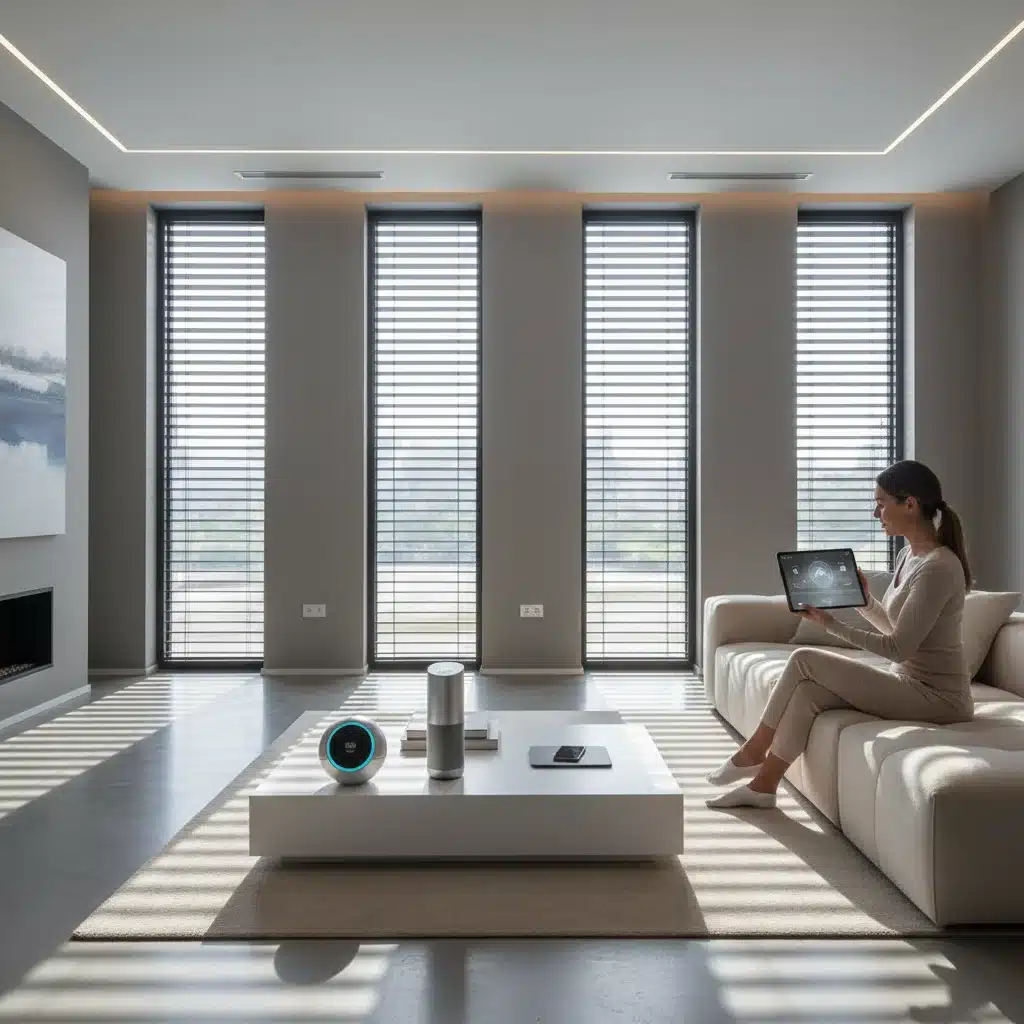
The 2026 Guide to DIY Smart Blinds: Automate 4 Windows in a Single Weekend for Enhanced Privacy
Welcome to the future of home automation! In 2026, transforming your living space with smart technology is more accessible and affordable than ever before. If you’ve ever dreamed of effortlessly controlling your window coverings with a tap on your phone, a voice command, or even on a schedule, then this guide to DIY Smart Blinds is for you. We’re going to show you how to automate four windows in a single weekend, dramatically enhancing your home’s privacy, energy efficiency, and overall convenience.
Gone are the days of cumbersome cords and manual adjustments. Modern smart blinds offer a sleek, sophisticated solution that integrates seamlessly into your smart home ecosystem. Whether you’re looking to boost security, save on energy bills, or simply enjoy the luxury of automated window treatments, embarking on a DIY Smart Blinds project is a rewarding endeavor. And the best part? You don’t need to be a tech guru or a seasoned handyman to achieve professional-looking results.
This comprehensive guide will walk you through every step, from planning and selecting the right components to installation and final configuration. By the end of the weekend, you’ll have four windows operating on your command, proving that advanced home automation is well within the reach of any DIY enthusiast. Let’s dive in and elevate your home living experience!
Why Invest in DIY Smart Blinds in 2026?
The landscape of smart home technology is constantly evolving, and 2026 brings with it even more compelling reasons to adopt DIY Smart Blinds. Here’s why this project is a game-changer for your home:
Enhanced Privacy and Security
Privacy is a paramount concern for many homeowners. With smart blinds, you can schedule your window coverings to close automatically at dusk or when you leave the house, ensuring no prying eyes can peek in. This automated schedule can also deter potential intruders by making it appear as though your home is occupied, even when it’s not. Imagine being on vacation and having your blinds operate as if you were home – a simple yet effective security measure.
Improved Energy Efficiency
Your windows are a significant source of heat loss in winter and heat gain in summer. DIY Smart Blinds can be programmed to adjust based on the time of day, sunlight intensity, or even the indoor temperature. For instance, they can close during the hottest part of the day to block sun and reduce cooling costs, and open in winter to let in natural light and warmth. This intelligent control can lead to noticeable savings on your energy bills throughout the year, making your investment pay for itself over time.
Unmatched Convenience and Comfort
Waking up to natural light is a great way to start the day, but having to manually open blinds can be a chore. With DIY Smart Blinds, your windows can open gently as your alarm goes off, or close automatically as you settle in for a movie night. Control them from your bed, your couch, or even when you’re away from home. This level of convenience adds a touch of luxury to everyday living and significantly enhances your home comfort.
Seamless Smart Home Integration
The 2026 smart home ecosystem is more interconnected than ever. Most DIY Smart Blinds systems are compatible with popular platforms like Amazon Alexa, Google Assistant, Apple HomeKit, and Samsung SmartThings. This means you can integrate your blinds into broader smart home routines, such as ‘Good Morning’ scenes that turn on lights, adjust the thermostat, and open your blinds simultaneously. The possibilities for customization and automation are endless.
Increased Home Value
Modern homebuyers are increasingly looking for smart home features. Installing DIY Smart Blinds not only improves your current living experience but also adds a desirable, high-tech amenity that can boost your home’s appeal and resale value. It demonstrates that your home is up-to-date with the latest technological trends.
Planning Your DIY Smart Blinds Project: The Weekend Blueprint
A successful DIY Smart Blinds installation begins with meticulous planning. To automate four windows in a single weekend, efficiency is key. Here’s your blueprint:
Day 1: Measurement, Selection, and Preparation
Step 1: Measure Your Windows Accurately
This is arguably the most crucial step. Incorrect measurements can lead to blinds that don’t fit, wasting time and money. Measure the width and height of each window opening precisely. Decide whether you want an inside mount (blinds fit within the window frame) or an outside mount (blinds cover the window frame). For inside mounts, measure the width at the top, middle, and bottom, and use the smallest measurement. For outside mounts, add a few inches to both width and height for better light blockage and privacy. Double-check all your measurements!
Step 2: Choose Your Smart Blind System
The market for DIY Smart Blinds has expanded significantly by 2026. You have several options:
- Smart Blinds (Pre-Motorized): These come with motors pre-installed. They are often more expensive but offer the easiest installation. Brands like Lutron, Bali, and Graber offer excellent options.
- Smart Blind Conversion Kits: If you already have existing blinds in good condition, you can often motorize them with a conversion kit. These kits typically involve replacing the manual tilt or lift mechanism with a small motor. This is a cost-effective solution for those who want to keep their current aesthetic. Look for kits compatible with roller, cellular, or Venetian blinds.
- Smart Blind Motors for New Blinds: Many online retailers and specialty shops sell blind motors separately. You can then purchase custom blinds without motors and install them yourself. This offers the most flexibility in terms of blind style and fabric.
Consider:
- Power Source: Battery-operated (rechargeable often lasts months), solar-powered (great for sunny windows), or hardwired (requires electrical work, usually for new builds). For a weekend project, battery or solar are ideal.
- Connectivity: Wi-Fi, Zigbee, Z-Wave, or proprietary RF. Ensure compatibility with your existing smart home hub if you have one. Wi-Fi is generally easiest for beginners as it often connects directly to your router.
- Control Options: Remote control, smartphone app, voice control (Alexa, Google Assistant), scheduling, and scene integration.
- Blind Type: Roller, cellular, Venetian, Roman, etc. Ensure the motor system you choose is compatible with your desired blind type.
Step 3: Purchase Your Components
Based on your measurements and chosen system, order your DIY Smart Blinds. Factor in shipping time if ordering online. For a weekend project, ensure all components arrive beforehand.
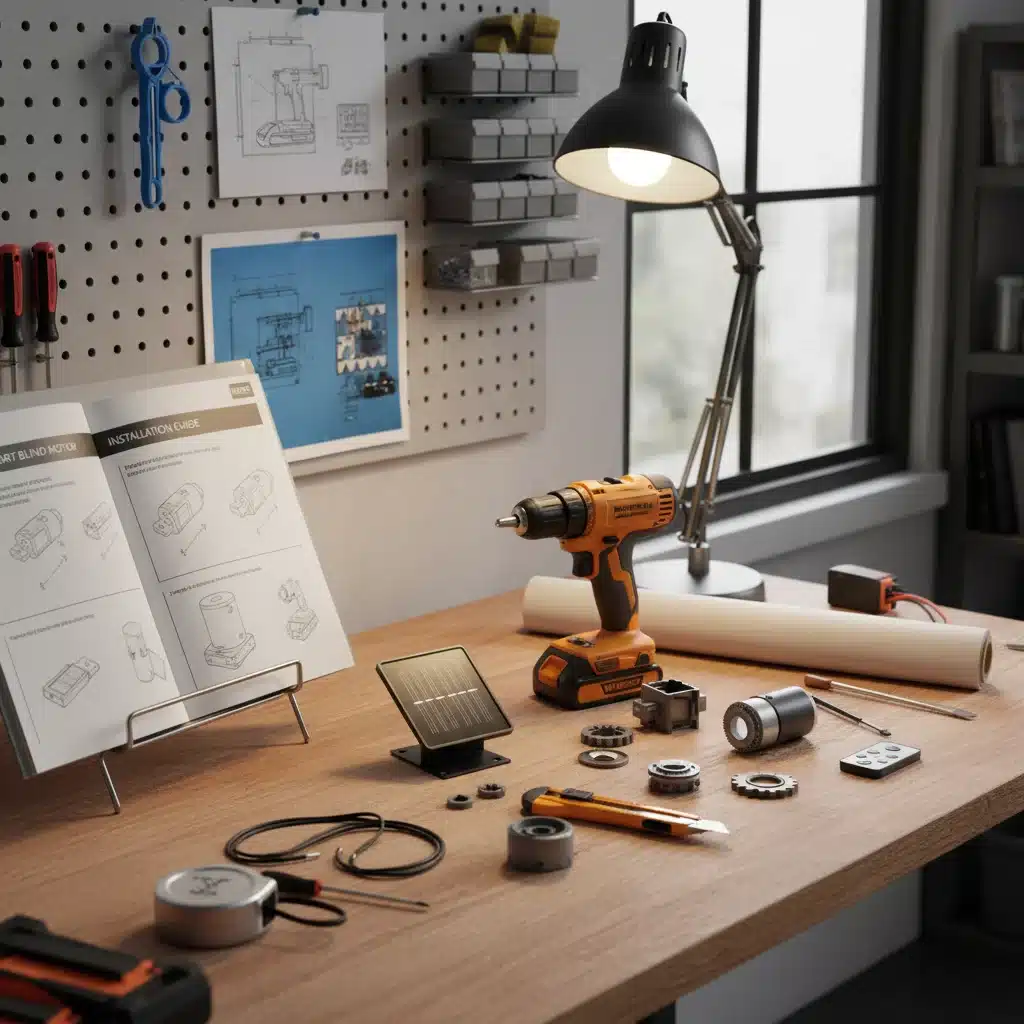
Step 4: Gather Your Tools
You’ll typically need:
- Drill and drill bits
- Screwdriver set
- Tape measure
- Pencil
- Level
- Step ladder
- Safety glasses
- Pliers (if converting existing blinds)
- Wire cutters (if converting existing blinds)
Step 5: Read the Instructions!
Seriously, read the manual for your specific DIY Smart Blinds system cover-to-cover. Each manufacturer has slightly different installation procedures and programming steps. Familiarize yourself with them before you start.
Day 2: Installation and Configuration
Step 6: Prepare the Window Area
Clear any obstructions around your windows. Remove old blinds if you’re replacing them. Clean the window frames to ensure a smooth installation surface.
Step 7: Install Mounting Brackets
Following your product’s instructions, mark the positions for the mounting brackets. Use a level to ensure they are perfectly straight. Pre-drill pilot holes if necessary, then securely screw the brackets into the window frame or wall. For inside mounts, ensure the brackets are positioned to allow the blinds to operate freely without rubbing against the frame.
Step 8: Install the Blinds or Motors
Option A: Pre-Motorized Smart Blinds
Simply snap or slide the motorized headrail into the pre-installed mounting brackets. Ensure it’s securely seated. This is often the quickest part of the physical installation for DIY Smart Blinds.
Option B: Smart Blind Conversion Kit
This will involve disassembling parts of your existing blinds, removing the old lift or tilt mechanism, and installing the new motor. This can be a bit more intricate. Follow the kit’s instructions carefully. You might need to cut the blind’s shaft to fit the motor, or attach the motor to the existing mechanism. Once the motor is integrated, reassemble the blind and mount it.
Option C: Installing Motors into New Blinds
If you purchased a motor and blinds separately, you’ll need to integrate the motor into the blind’s headrail. This usually involves inserting the motor into the blind’s tube or shaft and securing it. Then, mount the complete blind unit onto the brackets.
Step 9: Power Up and Pair
If your DIY Smart Blinds are battery-powered, ensure the batteries are charged or inserted correctly. For solar, ensure the panel is exposed to light. Hardwired systems will need to be connected to power, which might require an electrician if you’re uncomfortable with wiring. Once powered, follow the manufacturer’s instructions to pair the blinds with their remote control, smartphone app, or smart home hub. This usually involves a pairing button on the motor or a specific sequence in the app.
Step 10: Set Limits and Calibrate
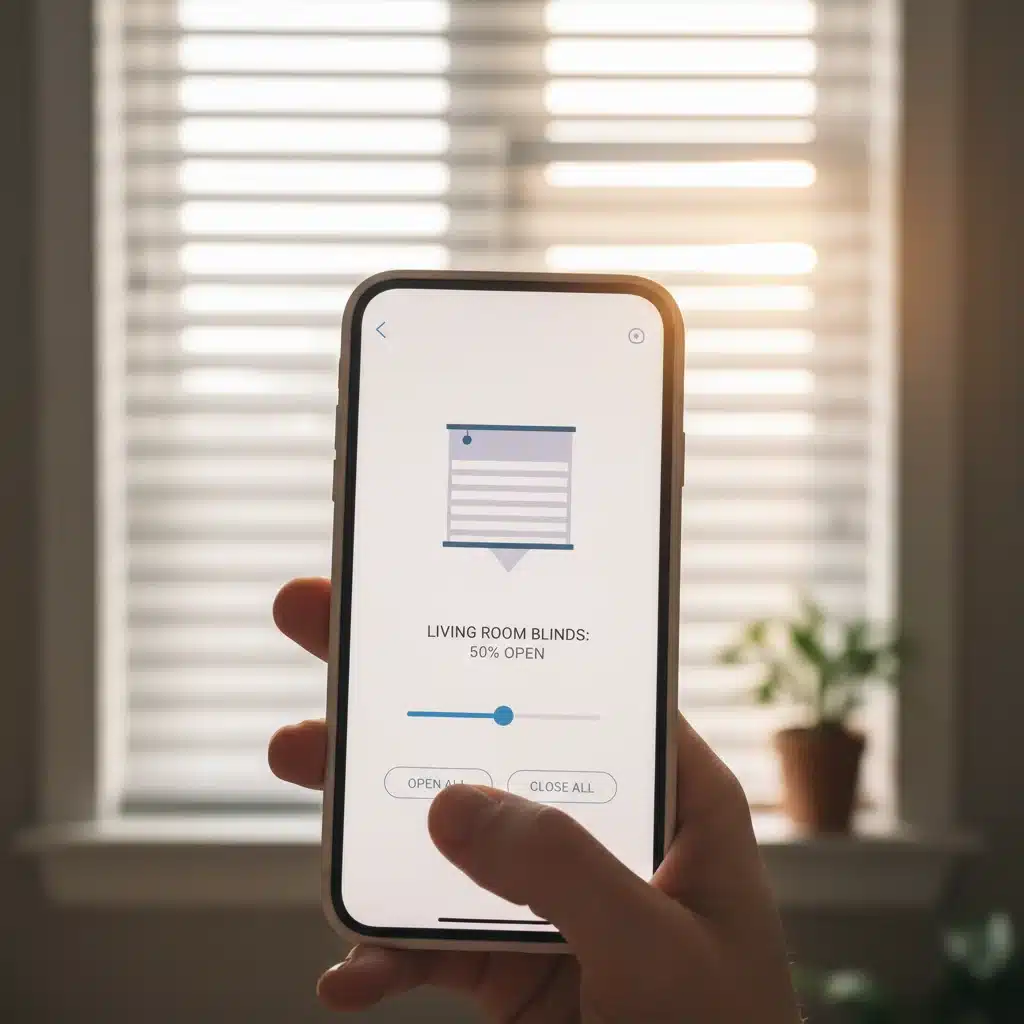
Most DIY Smart Blinds systems require you to set the upper and lower limits for the blinds’ travel. This tells the motor how far to open and close. Follow the app or remote control instructions to calibrate each blind individually. This ensures smooth and precise operation.
Step 11: Configure Smart Home Integrations and Schedules
Now for the fun part! Open your smart home app (e.g., Alexa, Google Home, SmartThings). Discover your new DIY Smart Blinds and add them to your rooms. Create schedules:
- "Wake Up" scene: Blinds open at 7 AM.
- "Evening Privacy" scene: Blinds close at sunset.
- "Away Mode" scene: Blinds randomly open/close throughout the day.
Experiment with voice commands and integrate them into existing routines. For example, "Alexa, good morning" could trigger your lights to turn on, your thermostat to adjust, and your blinds to open.
Troubleshooting Common DIY Smart Blinds Issues
Even with the best planning, you might encounter a few hiccups. Here are some common issues and their solutions for your DIY Smart Blinds:
Blinds Not Responding
- Check Power: Ensure batteries are charged, solar panels are receiving light, or hardwired connections are secure.
- Check Pairing: Re-attempt the pairing process with the remote or hub.
- Range Issues: If using a hub, ensure it’s within range of the blinds. Consider a signal repeater for larger homes.
- App/Hub Glitch: Restart your smartphone app or smart home hub.
Blinds Not Closing/Opening Fully
- Recalibrate Limits: The upper and lower limits might not be set correctly. Follow the manufacturer’s instructions to reset and recalibrate.
- Obstructions: Check for anything physically blocking the blinds’ path.
- Motor Issue: If recalibration doesn’t work, there might be an issue with the motor itself. Contact customer support.
Connectivity Problems
- Wi-Fi Signal: Ensure your Wi-Fi signal is strong at the window locations. A Wi-Fi extender might be necessary.
- Hub Connection: Verify your smart home hub is online and properly connected to your network.
- Firmware Updates: Check if your blinds or hub require a firmware update.
Noisy Operation
- Alignment: Ensure the blinds are properly aligned in their brackets and not rubbing against the window frame.
- Motor Type: Some motors are naturally louder than others. If it’s excessive, it could indicate a defect.
Maintaining Your DIY Smart Blinds
Once your DIY Smart Blinds are installed and running smoothly, a little maintenance will ensure their longevity and optimal performance:
Battery Management
If using battery-powered blinds, monitor battery levels through the app. Recharge or replace batteries as needed. Modern batteries can last several months, but usage patterns will affect this.
Cleaning
Clean your smart blinds just as you would manual ones. Use a duster, soft cloth, or vacuum cleaner with a brush attachment. Avoid harsh chemicals that could damage the motor or fabric.
Software Updates
Regularly check for firmware updates for your smart blinds and smart home hub. These updates often bring new features, performance improvements, and security patches.
Calibration Check
Occasionally, you might find the blinds’ limits drift slightly. A quick recalibration every few months can keep them operating precisely.
The Future of DIY Smart Blinds: What to Expect Beyond 2026
The innovation in DIY Smart Blinds won’t stop in 2026. Here’s a glimpse into what the future might hold:
Advanced AI and Machine Learning
Future smart blinds will likely incorporate more sophisticated AI, learning your preferences and anticipating your needs. Imagine blinds that autonomously adjust based on predictive weather patterns, your daily schedule, and even your mood, creating optimal light and temperature conditions without any manual input.
Seamless Biometric Integration
Expect integration with biometric data. Your smart blinds could adjust as your smart wearables detect you waking up, or as you enter a room, creating a truly personalized environment.
Energy Harvesting Beyond Solar
While solar is common now, future blinds might feature advanced energy harvesting technologies, drawing power from ambient light, vibration, or even indoor temperature differences, making them truly self-sufficient.
Modular and Upgradeable Systems
As technology advances rapidly, future DIY Smart Blinds systems will likely be more modular, allowing you to easily upgrade motors, sensors, or connectivity modules without replacing the entire blind.
Enhanced Security Features
Integration with advanced home security systems will deepen, with blinds potentially acting as additional sensors, detecting unusual movements or changes in light patterns and alerting homeowners.
Conclusion: Your Automated Home Awaits
Automating four windows with DIY Smart Blinds in a single weekend is an achievable and incredibly rewarding project. By following this 2026 guide, you’ve not only enhanced your home’s privacy and security but also ushered in a new era of convenience and energy efficiency. The satisfaction of controlling your environment with a simple command or a pre-set schedule is truly transformative.
This project is a testament to how accessible smart home technology has become. With a bit of planning, the right tools, and a willingness to learn, anyone can create a more intelligent, comfortable, and modern living space. So, take the leap, embrace the future, and enjoy the effortless elegance that DIY Smart Blinds bring to your home. Your windows are no longer just openings; they are intelligent portals to a smarter way of living.