
Integrating Smart Plugs and Outlets: A 4-Step DIY for Appliance Control and 10% Waste Reduction in 2026
Unlock unparalleled control over your home appliances and contribute to a greener future with smart home energy solutions.
In an era where technological advancements are constantly reshaping our daily lives, the concept of a ‘smart home’ is no longer a futuristic fantasy but a tangible reality. Among the myriad of innovations designed to make our homes more efficient and convenient, smart plugs and outlets stand out as accessible and impactful tools for modernizing your living space. This comprehensive guide will walk you through a 4-step DIY process to integrate these devices into your home, empowering you with precise appliance control and setting you on a path to a remarkable 10% reduction in energy waste by 2026. Embracing smart home energy solutions is not just about convenience; it’s about making a conscious choice for sustainability and significant cost savings.
The journey towards a more intelligent and energy-efficient home begins with understanding the power of smart home energy management. Traditional homes often suffer from ‘phantom load’ or ‘vampire drain,’ where appliances consume electricity even when turned off but still plugged in. This silent energy drain accounts for a significant portion of household electricity consumption, contributing to unnecessary waste and higher utility bills. By strategically deploying smart plugs and outlets, you gain the ability to completely cut power to these devices when not in use, effectively eliminating phantom load and putting you in direct control of your energy footprint. This proactive approach to smart home energy management is crucial for achieving our ambitious goal of a 10% reduction in energy waste within the next few years.
Our focus on smart home energy extends beyond just saving money. It’s about building a sustainable future, one household at a time. Imagine a home where every appliance works in harmony, optimized for efficiency, and responsive to your needs without constant manual intervention. This guide will demystify the process, making it simple for anyone to transform their home into a beacon of energy efficiency. Whether you’re a tech enthusiast or a DIY novice, the steps outlined here are designed to be straightforward and actionable. Let’s embark on this exciting journey to revolutionize your home’s energy consumption and contribute positively to environmental conservation.
Understanding Smart Plugs and Outlets: The Foundation of Smart Home Energy
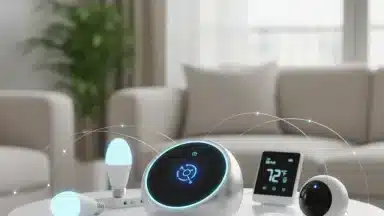
Before diving into the DIY integration, it’s essential to grasp what smart plugs and outlets are and how they function as cornerstones of effective smart home energy management. In essence, a smart plug is an adapter that plugs into a standard electrical outlet, allowing you to connect any appliance to it. Once connected, the smart plug enables you to control the power to that appliance remotely via a smartphone app, voice commands through a smart assistant (like Amazon Alexa or Google Assistant), or automated schedules. Smart outlets, on the other hand, are wall outlets with built-in smart technology, offering a more integrated and permanent solution.
How Smart Plugs Work
The magic behind smart plugs lies in their connectivity. Most smart plugs utilize Wi-Fi to communicate with your home network and, subsequently, with your smartphone or smart home hub. This wireless connection allows for a range of functionalities:
- Remote Control: Turn devices on or off from anywhere in the world, as long as you have an internet connection. Forgot to turn off the iron? No problem, just open your app.
- Scheduling: Set specific times for devices to power on or off. Imagine your coffee maker starting automatically every morning before you wake up, or your lights turning off at bedtime. This is a key component of optimizing smart home energy use.
- Voice Control: Integrate with smart assistants to control devices with simple voice commands. “Hey Google, turn off the living room lamp” becomes a reality.
- Energy Monitoring: Many smart plugs come with built-in energy monitoring features, providing real-time data on how much power a connected appliance is consuming. This insight is invaluable for identifying energy hogs and optimizing your smart home energy strategy.
- Automation and Scenes: Create complex routines or ‘scenes’ where multiple devices act in concert. For example, a ‘Good Morning’ scene could turn on your bedroom light, start the coffee maker, and adjust the thermostat.
The Advantage of Smart Outlets
While smart plugs offer flexibility, smart outlets provide a cleaner, more permanent integration into your home’s electrical system. They replace existing wall outlets and offer the same smart functionalities. The primary advantages include:
- Aesthetics: No bulky adapters sticking out of your walls, maintaining a sleek look.
- Security: Hardwired into your home, reducing the risk of accidental unplugging or tampering compared to a plug-in device.
- Dedicated Power: Ensures a stable and reliable power connection for your smart home energy system.
Both smart plugs and outlets are instrumental in achieving precise appliance control, which is the cornerstone of reducing energy waste. By understanding their capabilities, you’re better equipped to select the right devices for your specific needs and integrate them seamlessly into your home’s existing infrastructure, paving the way for significant smart home energy savings.
Why Smart Home Energy Matters: Beyond Convenience
The appeal of smart home energy devices goes far beyond the mere convenience of remote control. While turning on lights from your phone or scheduling your coffee maker is undoubtedly handy, the true impact lies in their potential for energy conservation, cost savings, and environmental stewardship. Our ambitious goal of a 10% reduction in energy waste by 2026 is directly achievable through the widespread adoption and intelligent use of these technologies.
Combatting Phantom Load
As mentioned, phantom load is a significant contributor to wasted electricity. Devices like televisions, gaming consoles, phone chargers, and even microwaves continue to draw power when plugged in, even if they are ‘off.’ This standby power consumption might seem negligible for a single device, but collectively, across an entire household and throughout the year, it adds up to a substantial amount of wasted energy and money. Smart plugs and outlets empower you to completely cut power to these devices when they are not in active use, effectively eliminating phantom load and making a tangible difference in your overall smart home energy consumption.
Financial Savings
Reducing energy waste directly translates into lower utility bills. By intelligently managing when and how your appliances draw power, you can see noticeable savings each month. Over time, these savings can offset the initial investment in smart devices, making them a financially sound decision. The more you optimize your smart home energy usage, the greater your savings will be.
Environmental Impact
Every kilowatt-hour of electricity saved reduces the demand on power grids, which often rely on fossil fuels. By minimizing your energy consumption, you’re actively contributing to a reduction in greenhouse gas emissions and a smaller carbon footprint. This makes smart home energy solutions a vital component of sustainable living and a responsible approach to resource management.
Enhanced Safety and Security
Beyond energy, smart plugs and outlets can enhance home safety. Imagine being able to verify that a space heater or curling iron was indeed turned off after you’ve left the house. Some smart plugs also feature overload protection, preventing damage to connected devices. Furthermore, simulating occupancy by scheduling lights to turn on and off can deter potential intruders, adding an extra layer of security to your smart home environment.
Data-Driven Decisions
Many smart plugs offer energy monitoring capabilities, providing valuable insights into which appliances consume the most power. This data allows you to make informed decisions about your energy usage habits, identify inefficiencies, and further refine your smart home energy strategy. Understanding your consumption patterns is the first step towards optimizing them.
By embracing smart plugs and outlets, you’re not just upgrading your home; you’re investing in a more efficient, sustainable, and financially savvy future. The collective impact of individual households adopting these technologies can lead to significant national and global energy savings, putting our 10% waste reduction goal by 2026 well within reach.
Your 4-Step DIY Guide to Integrating Smart Plugs and Outlets
Ready to transform your home into an energy-efficient haven? This 4-step DIY guide will walk you through the process of integrating smart plugs and outlets, empowering you to take control of your smart home energy consumption. No advanced technical skills required!
Step 1: Assess Your Needs and Choose Your Devices
The first crucial step is to understand what you want to achieve and which devices will best serve those goals. Consider which appliances contribute most to phantom load or could benefit from scheduling and remote control. Think about areas where smart home energy management would have the biggest impact.
Identify Target Appliances:
- Entertainment Centers: TVs, gaming consoles, sound systems, and streaming devices are notorious for phantom load.
- Home Office Equipment: Computers, monitors, printers, and chargers.
- Kitchen Appliances: Coffee makers, toasters, blenders (especially those with digital displays).
- Lighting: Lamps that aren’t already smart bulbs.
- Seasonal Devices: Fans, heaters, holiday lights.
Select Device Type:
- Smart Plugs: Ideal for renters, those who want flexibility, or for appliances that are frequently moved. They are easy to install and require no electrical wiring.
- Smart Outlets: Best for homeowners seeking a permanent, integrated solution. Installation requires basic electrical knowledge or the help of an electrician.
Key Features to Look For:
- Connectivity: Most commonly Wi-Fi, but some use Zigbee or Z-Wave, which require a hub.
- Compatibility: Ensure compatibility with your existing smart home ecosystem (e.g., Alexa, Google Home, Apple HomeKit).
- Energy Monitoring: Highly recommended for tracking consumption and optimizing your smart home energy strategy.
- Max Load: Check the amperage rating to ensure it can handle your appliance’s power requirements.
- Design: Consider size and shape to ensure they don’t block adjacent outlets.
Research different brands and read reviews to find reliable and user-friendly devices that fit your budget and requirements for efficient smart home energy control.
Step 2: Installation and Setup
Once you have your chosen devices, it’s time for installation. The process differs slightly for smart plugs versus smart outlets.
For Smart Plugs:
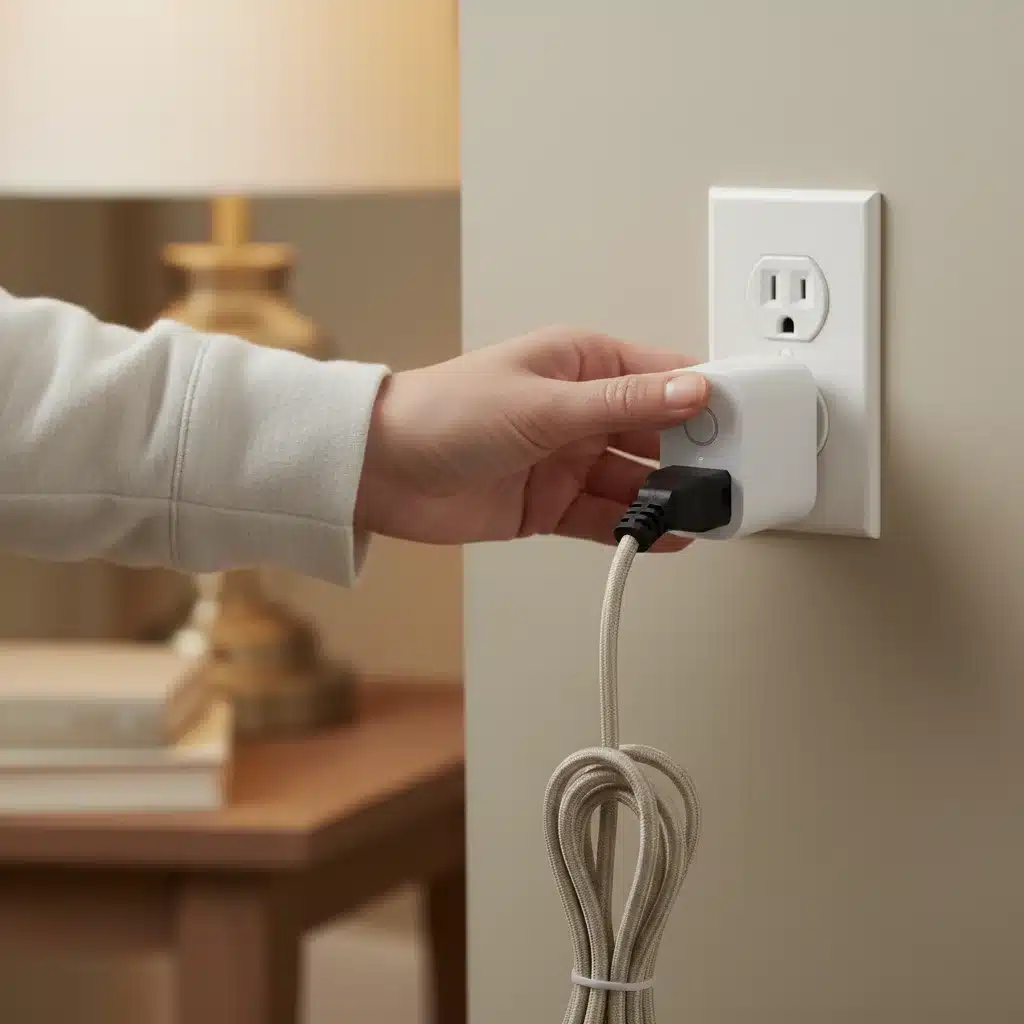
- Plug It In: Simply plug the smart plug into your existing wall outlet.
- Connect Appliance: Plug your target appliance into the smart plug.
- Download App: Download the manufacturer’s companion app on your smartphone or tablet.
- Pair Device: Follow the in-app instructions to pair the smart plug with your home Wi-Fi network. This usually involves creating an account and selecting your Wi-Fi network.
- Rename Device: Give your smart plug a descriptive name (e.g., “Living Room Lamp,” “Coffee Maker”) for easy identification and voice control.
For Smart Outlets (Proceed with Caution or Professional Help):
- Safety First: ALWAYS turn off the power to the outlet at your circuit breaker before beginning any electrical work.
- Remove Old Outlet: Carefully unscrew and remove the faceplate and then the existing outlet from the wall box. Disconnect the wires, noting which wire goes where (typically black for hot, white for neutral, bare copper or green for ground).
- Install Smart Outlet: Connect the wires from the wall box to the corresponding terminals on the smart outlet.
- Secure and Test: Mount the new smart outlet in the wall box, attach the faceplate, and then restore power at the circuit breaker.
- Pair Device: Follow the manufacturer’s app instructions to pair the smart outlet with your Wi-Fi network, similar to smart plugs.
If you’re uncomfortable with electrical wiring, it’s highly recommended to hire a qualified electrician for smart outlet installation to ensure safety and proper functionality, crucial for reliable smart home energy management.
Step 3: Programming and Automation for Optimal Smart Home Energy
This is where the real magic of smart home energy management happens! Once your devices are installed and connected, you can start programming them to automate your home and reduce waste.
Scheduling Power:
- Eliminate Phantom Load: Schedule entertainment centers, computer peripherals, and chargers to turn off completely during times you know they won’t be used (e.g., overnight, when you’re at work).
- Morning Routines: Set your coffee maker to turn on 15 minutes before your alarm, or your bathroom heater to warm up before you step into the shower.
- Evening Routines: Have lamps turn on before sunset and turn off after you’ve gone to bed.
Voice Control Integration:
- Connect your smart plug/outlet app to your smart assistant (Alexa, Google Assistant).
- Use intuitive commands like, “Alexa, turn off the fan” or “Hey Google, turn on the kitchen lights.”
Creating Scenes and Automations:
- “Away” Scene: Program all non-essential lights and appliances to turn off when you leave the house.
- “Movie Night” Scene: Dim the lights, turn on the TV and sound system with a single command.
- Presence Detection: Some advanced systems can use geofencing to turn devices on/off based on your proximity to home.
Experiment with different schedules and automations to find what works best for your lifestyle, maximizing your smart home energy efficiency and convenience.
Step 4: Monitor, Analyze, and Optimize for 10% Waste Reduction
The final step is ongoing and crucial for achieving your 10% energy waste reduction goal by 2026. This involves actively monitoring your energy consumption and continuously optimizing your smart home setup.
Utilize Energy Monitoring Features:
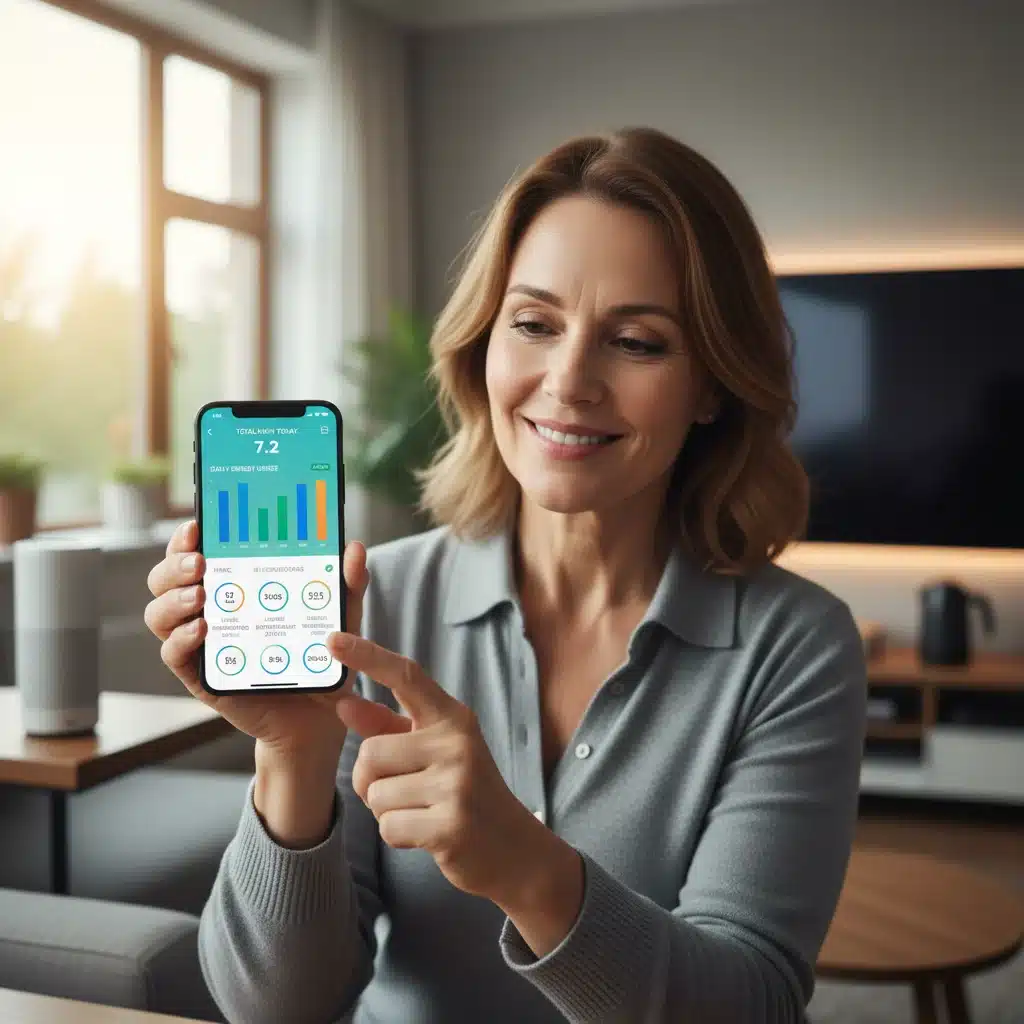
- If your smart plugs have energy monitoring, regularly check the consumption data through the app.
- Identify which appliances are still drawing significant power and consider if their usage can be further optimized.
Review and Adjust Schedules:
- Are your schedules still aligned with your habits? Adjust them as needed.
- Perhaps you’re now leaving for work earlier or staying up later; modify your automation accordingly to maintain peak smart home energy efficiency.
Expand Your Smart Home:
- Once you’re comfortable with a few devices, consider expanding your smart home ecosystem to other areas.
- Integrate with smart thermostats, smart lighting, or smart blinds for a more holistic approach to smart home energy management.
Set Goals and Track Progress:
- Keep your 10% waste reduction goal by 2026 in mind.
- Compare your utility bills month-to-month and year-over-year to see the tangible impact of your smart home energy efforts.
- Celebrate your successes and use them as motivation to find even more ways to conserve.
Continuous monitoring and optimization are key to unlocking the full potential of your smart plugs and outlets, ensuring sustained energy savings and contributing significantly to a more sustainable future. This iterative process is what makes smart home energy management truly effective.
Beyond the Plug: Long-Term Benefits of Smart Home Energy
Integrating smart plugs and outlets is more than just a temporary fix; it’s an investment in a smarter, more sustainable lifestyle. The long-term benefits of embracing smart home energy solutions extend far beyond the immediate convenience and initial savings.
Sustainable Living and Reduced Carbon Footprint
By actively reducing your energy consumption, you’re directly contributing to a healthier planet. Less energy demand means fewer resources consumed and less pollution generated by power plants. Your home becomes a proactive participant in global efforts to combat climate change, making a tangible difference in the pursuit of smart home energy goals.
Increased Home Value and Modern Appeal
A smart home is a modern home. As technology continues to integrate into daily life, homes equipped with smart features, especially those focused on energy efficiency, become more attractive to potential buyers. Investing in smart home energy systems can enhance your property’s value and appeal in the long run.
Enhanced Peace of Mind
The ability to remotely control and monitor your appliances provides an unparalleled sense of security and peace of mind. No more nagging doubts about whether you left the curling iron on or if the lights are blazing while you’re away. With smart home energy tools, a quick check on your phone is all it takes to confirm everything is as it should be.
Adaptability and Future-Proofing
Smart home technology is constantly evolving. By starting with smart plugs and outlets, you’re building a foundational system that can easily expand and adapt to new innovations. Your initial investment in smart home energy solutions sets the stage for integrating more advanced devices like smart thermostats, smart lighting systems, and even smart appliances, creating a truly interconnected and intelligent living space.
Educational Tool for Families
Introducing smart home energy management can also be an excellent educational opportunity, especially for families with children. It teaches awareness about energy consumption, the importance of conservation, and how technology can be used responsibly for environmental benefit. The real-time data from energy monitoring features can visually demonstrate the impact of energy-saving habits, fostering a generation that values sustainable practices.
These long-term advantages underscore the profound impact of integrating smart plugs and outlets. It’s a step towards a future where technology and sustainability coexist, making our homes more efficient, comfortable, and environmentally responsible. The journey to a fully optimized smart home energy system is continuous, but the rewards are immense and enduring.
Common Challenges and Troubleshooting for Smart Home Energy Devices
While integrating smart plugs and outlets is generally straightforward, you might encounter a few common issues. Knowing how to troubleshoot them can save you time and frustration, ensuring your smart home energy system runs smoothly.
Connectivity Issues (Wi-Fi Problems)
Symptom: Smart plug/outlet won’t connect to Wi-Fi, or frequently disconnects.
Solutions:
- Check Wi-Fi Signal: Ensure the device is within range of your Wi-Fi router. Walls and other electronics can interfere with the signal. Consider a Wi-Fi extender if the signal is weak.
- Router Band: Most smart plugs only support 2.4 GHz Wi-Fi networks. If your router broadcasts both 2.4 GHz and 5 GHz, make sure your phone is connected to the 2.4 GHz network during setup.
- Router Overload: Too many devices connected to your router can slow it down. Try disconnecting some non-essential devices temporarily.
- Restart Router and Device: A simple restart of both your Wi-Fi router and the smart plug/outlet can often resolve temporary glitches.
- Firmware Update: Ensure your smart plug’s firmware and the companion app are up to date.
Device Unresponsiveness
Symptom: Smart plug/outlet is connected but not responding to commands.
Solutions:
- Check Power: Ensure the smart plug/outlet itself has power. Look for indicator lights.
- App Check: Verify the device status in the companion app. Is it showing as online or offline?
- Internet Connection: Confirm your phone has an active internet connection if controlling remotely.
- Re-pair Device: As a last resort, try removing the device from the app and re-pairing it.
Voice Control Not Working
Symptom: Smart assistant (Alexa, Google Home) isn’t controlling the smart plug/outlet.
Solutions:
- Link Accounts: Ensure your smart plug’s manufacturer account is correctly linked to your smart assistant app.
- Discover Devices: In your smart assistant app, go to settings and ‘Discover Devices’ to find newly added smart plugs.
- Device Name: Use the exact name you assigned to the device in its companion app. Avoid overly complex names.
- Internet Connection: Both your smart assistant and smart plug need an active internet connection.
Overload Protection Tripping
Symptom: Smart plug/outlet frequently turns off unexpectedly, especially with high-power appliances.
Solutions:
- Check Max Load: Ensure the connected appliance’s power consumption (watts or amps) does not exceed the smart plug’s maximum rating. This is crucial for maintaining effective smart home energy management.
- Dedicated Circuit: High-demand appliances (like space heaters or microwaves) might need their own dedicated smart plug or even a heavy-duty smart outlet if you insist on smart control.
- Avoid Daisy-Chaining: Do not plug multiple power strips or high-wattage devices into a single smart plug.
Most issues can be resolved with a bit of patience and systematic troubleshooting. Always refer to your device’s specific user manual for detailed instructions. By addressing these challenges, you can maintain a robust and reliable smart home energy system, ensuring your journey towards 10% waste reduction remains on track.
The Future of Smart Home Energy: Beyond 2026
As we look towards 2026 and beyond, the landscape of smart home energy is poised for even greater innovations. The foundational steps you take today by integrating smart plugs and outlets are just the beginning of a truly intelligent and interconnected energy ecosystem. The future promises more seamless integration, advanced analytics, and even greater automation, pushing us closer to net-zero energy homes.
AI-Powered Energy Management
Future smart home systems will leverage artificial intelligence and machine learning to predict your energy needs and optimize consumption autonomously. Imagine a system that learns your daily routines, monitors weather patterns, and analyzes electricity prices to decide the most efficient times to run appliances, charge electric vehicles, or even store energy. This proactive AI will take smart home energy management to an unprecedented level, making decisions that are both economically and environmentally optimal without any manual input.
Integration with Renewable Energy Sources
The synergy between smart homes and renewable energy will become more pronounced. Homes will not only consume energy efficiently but also intelligently generate and store it. Smart plugs and outlets will be part of a larger system that manages solar panel output, optimizes battery storage, and even interacts with the grid to sell surplus energy or draw power during off-peak hours. This holistic approach will redefine smart home energy as a dynamic, two-way interaction with the power grid.
Hyper-Personalized Automation
Expect even more personalized automation based on individual preferences and presence. Advanced sensors will track occupancy, air quality, and even individual device usage patterns with greater precision. This will allow for hyper-customized energy profiles that adapt in real-time to the needs of each resident, ensuring maximum comfort with minimum waste. Your smart home energy system will truly understand and anticipate your needs.
Enhanced Security and Data Privacy
As smart homes become more integrated, the focus on cybersecurity and data privacy will intensify. Future devices will incorporate more robust encryption, secure authentication protocols, and transparent data usage policies, ensuring that your energy consumption data and personal information remain protected. Trust and reliability will be paramount in the evolution of smart home energy.
Smart Grids and Community Energy Sharing
The concept of individual smart homes will expand into smart communities and smart grids. Homes will communicate with each other and with the local utility providers to balance energy demand and supply across an entire neighborhood. This could lead to local energy sharing initiatives, microgrids, and a more resilient, decentralized energy infrastructure, further amplifying the impact of individual smart home energy efforts.
The journey towards a truly smart and sustainable home is continuous. By adopting smart plugs and outlets today, you’re not just saving energy; you’re laying the groundwork for a future where your home is an intelligent, responsive, and environmentally conscious entity, playing a vital role in a global energy revolution. The 10% waste reduction by 2026 is just the first milestone in this exciting evolution of smart home energy.