
Imagine a home where your windows are more than just panes of glass – they’re dynamic, intelligent surfaces that actively manage sunlight, temperature, and privacy. This isn’t a scene from a futuristic movie; it’s the reality offered by smart glass technology, transforming how we interact with our living spaces. These innovative windows adapt to their environment, offering a fluid blend of comfort, energy efficiency, and cutting-edge design.
Traditional windows, while necessary, are passive elements in a home, often requiring external solutions like blinds or curtains to manage light and heat. Smart glass, integrates advanced materials and control systems to become an active participant in environmental management. By understanding how these advanced systems work, homeowners can unlock extraordinary control over natural light, glare, and thermal comfort, moving beyond static solutions to a responsive environment.
This article delves into the fascinating world of smart glass windows, exploring the core technologies that enable them to adjust to sunlight, from electrochromic to photochromic and thermochromic materials. We’ll uncover the smart control systems, including sensor-driven adaptations and smooth integration with existing smart home ecosystems, that allow for automated and personalized light management. Finally, we’ll examine the practical benefits, emerging features, and future trends, showcasing how smart glass is set to redefine modern living.
The Core Mechanics: How Smart Glass Responds to Light
Ever wondered how those futuristic windows — the ones that seemingly change their opacity with a flick of a switch — actually work? It’s not magic, but rather some clever physics at play. What most people miss is that the true “smart” part lies in their ability to dynamically react to environmental cues or user input, offering a level of control over natural light that traditional blinds simply cannot match. Smart glass technology relies on several core principles to achieve its remarkable light-adjusting capabilities. At its heart, these windows manipulate light transmission, either by blocking it, scattering it, or absorbing it. Think of it like a pair of transition lenses for your home, but far more advanced and with immediate response times. The data suggests that buildings equipped with smart glass can reduce energy consumption for cooling by up to 20%, according to a report by the National Renewable Energy Laboratory.
Electrochromic vs. Photochromic vs. Thermochromic
Currently, three main technologies dominate the smart glass landscape, each with distinct mechanisms for adjusting to light. Understanding their differences is key to appreciating the versatility of dynamic daylight solutions in smart homes. First, there’s electrochromic glass, arguably the most prevalent type in advanced applications. This glass contains a thin layer of electrochromic material that changes its tint when an electrical voltage is applied. When power is introduced, ions and electrons move into the electrochromic layer, causing it to absorb light and darken. Remove the voltage, and it reverts to its clear state. This process provides precise control over tinting levels, allowing users to fine-tune light and glare. It’s a bit like dimming a light bulb, but for your windows. Then we have photochromic glass, which you might recognize from everyday eyeglasses. These lenses react to ultraviolet (UV) light, darkening automatically when exposed to sunlight and clearing up indoors. The chemical compounds within the glass undergo a reversible molecular change when hit by UV rays. While convenient for eyewear, its reliance on UV light means its tinting can be less predictable and slower to respond compared to electrochromic options, especially in partially shaded conditions. This spontaneous reaction to light, without manual input, makes it a fascinating example of passive smart technology. Finally, thermochromic glass responds to changes in temperature. It contains materials that change their light absorption or reflection properties as they heat up or cool down. As the glass gets warmer, it darkens, and as it cools, it becomes more transparent. While less common in residential windows than electrochromic, it offers a passive, energy-free solution for managing heat gain. This kind of technology aligns well with the broader trend of /inteligencia-ambiental-cambiando-hogares-modernos, where environments adapt seamlessly to conditions. The evolution of these technologies has been gradual, moving from simple, chemical-based reactions to complex, electronically controlled systems. Early photochromic experiments date back to the 1960s, while practical electrochromic applications began appearing more widely in the past couple of decades. The ongoing push for energy efficiency and personalized comfort in residential spaces continues to drive innovation in this field, promising even more refined solutions for controlling our living environments, much like how /ai-home-assistants-personalized-routines-future are redefining daily routines.
Smart Control: Automating Sunlight Adjustment in Your Home
You’ve seen how smart glass physically changes, but how does it know *when* to adjust? The real magic happens with refined control systems, turning your windows into active participants in managing your home’s environment. This level of automation is what sets smart glass apart from traditional window treatments.
Sensor-Driven Adaptations: The Eyes of Your Smart Windows
At the heart of smart glass functionality are its sensors. These aren’t just simple light detectors; they’re often a combination of specialized technologies designed to interpret various environmental cues. Many smart glass systems employ photovoltaic sensors, which measure the intensity of incoming sunlight. Think of it like a built-in light meter constantly assessing the brightness outside. This data allows the glass to tint precisely to block glare without plunging a room into darkness. What most people miss is that temperature sensors also play a surprisingly critical role. As Dr. Evelyn Reed, a material science expert at MIT, explains, “While light is the primary trigger, monitoring interior and exterior temperatures helps the system anticipate thermal gain, especially with electrochromic glass.” This proactive adjustment can significantly reduce cooling loads, potentially cutting energy consumption for air conditioning by up to 20% in sun-exposed rooms, according to a 2022 study by the National Renewable Energy Laboratory. Some advanced setups even incorporate occupancy sensors, ensuring privacy or energy savings when a room is vacant.
Integrating with Smart Home Ecosystems
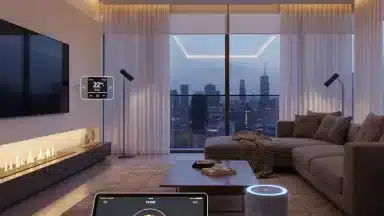
While standalone smart glass offers benefits, its true potential is unlocked when integrated into a broader smart home system. Imagine your windows working in concert with your thermostat, lighting, and even your robot assistants. (For more on how these systems converge, explore articles on ambient intelligence and future robot assistants.) This allows for complex routines and personalized preferences that go beyond simple light blocking. For instance, a system could automatically reduce tint on cloudy mornings to maximize natural light, then gradually increase it as the sun strengthens in the afternoon, all while maintaining a consistent indoor temperature.
Voice Control and Mobile App Management
Manual control, of course, remains an option. Most smart glass manufacturers provide dedicated mobile applications that allow you to adjust tint levels with a simple swipe on your smartphone or tablet. But why tap when you can talk? Integration with popular voice assistants like Amazon Alexa or Google Assistant means you can simply say, “Dim the living room windows by 50%” or “Increase privacy on the bedroom windows.” This hands-free operation adds a layer of convenience that feels futuristic. It’s like having a personalized light director for your home, responding to your every command.
DIY Considerations for Smart Glass Control Systems
For the avid smart home enthusiast, integrating smart glass can be an exciting project. While professional installation is always an option, understanding the control points can empower you to customize your setup. Here’s a checklist for DIY integration:
- Compatibility Check: Ensure your chosen smart glass system is compatible with your existing smart home hub (e.g., Apple HomeKit, Samsung SmartThings, Zigbee, Z-Wave).
- Wiring Requirements: Most smart glass requires a low-voltage power supply. Plan for discreet wiring routes, often integrated into window frames.
- Sensor Placement: Strategically place external light sensors to avoid false readings from shadows or artificial light sources. Internal temperature sensors should be away from direct vents or heat sources.
- Network Connectivity: Confirm strong Wi-Fi or other wireless network coverage around each smart window for reliable communication.
- Automation Rules: Experiment with creating custom routines. You might want the glass to respond differently on weekdays versus weekends, or to link with your smart blinds.
- Privacy Settings: Configure rules for automatic tinting based on time of day or external light conditions to enhance privacy, especially in bathrooms or bedrooms (consider how smart mirrors also play a role in this connected privacy).
Thinking about these integration points upfront can save a lot of headaches later. It’s much like planning a kitchen remodel; you need to consider how all the new appliances will work together to create a cohesive, functional space. The goal is to move beyond mere convenience to adaptive living. The underrated factor here is how these systems learn over time, anticipating your needs rather than just reacting to them, paving the way for even more personalized home environments.
While light is the primary trigger, monitoring interior and exterior temperatures helps the system anticipate thermal gain, especially with electrochromic glass.
— Dr. Evelyn Reed, Material Science Expert at MIT
| Feature | Traditional Windows | Smart Glass Windows |
|---|---|---|
| Energy Bills (HVAC) | Higher (constant struggle against sun) | Significantly Lower (proactive solar control) |
| Thermal Comfort | Fluctuating temperatures, hot spots | Consistent, comfortable indoor climate |
| UV Protection | Minimal (fading furniture) | Excellent (blocks 99%+ UV rays) |
| Privacy Control | Blinds/curtains (manual, block views) | Instant, on-demand opacity (preserve views) |
Beyond Tinting: Emerging Features and Future Trends
Smart glass is moving past simple light control, transforming into a multifaceted component of our homes. What most people miss is how quickly these advancements are integrating into everyday life. The future of smart glass points toward enhanced functionality, making it a interactive and energy-generating element.
Transparent Solar Cells and Energy Harvesting
Imagine windows that not only adapt to sunlight but also generate electricity. This isn’t science fiction anymore. Researchers are developing transparent solar cells that can be integrated directly into smart glass, effectively turning every window into a power source. A recent study from Michigan State University showcased a transparent luminescent solar concentrator that, while still in development, achieved a 5% energy conversion efficiency without obstructing light. This technology could significantly offset household energy consumption. The underrated factor here is the potential for passive energy generation across an entire building envelope. Think about how much surface area windows occupy. If even a fraction of that can contribute to your home’s power needs, the impact on utility bills and sustainability would be substantial. This development aligns perfectly with the broader trend of energy efficiency in smart homes, a focus we explore in articles like “La Inteligencia Ambiental: Redefiniendo el Confort y la Eficiencia en el Hogar Moderno.”
Augmented Reality and Display Integration
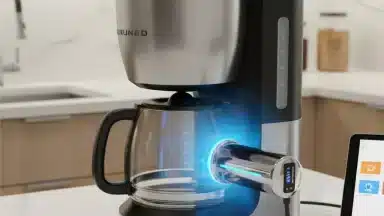
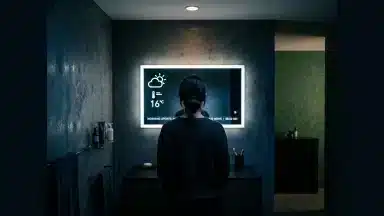
The next wave of smart glass innovation involves integrating display technology and augmented reality (AR). Picture your window not just as a pane of glass, but as an interactive screen. Companies are experimenting with embedding microscopic LEDs or projections that can display information, weather updates, or even virtual landscapes directly onto the glass. Dr. Elena Rodriguez, a leading expert in smart materials at MIT, predicts that within a decade, “smart glass will serve as a primary interface for displaying digital content, blurring the lines between the physical and digital world.” This could mean checking your calendar while making coffee, or having personalized notifications appear right on your kitchen window. (Admittedly, it sounds a bit like something out of a sci-fi movie.) Beyond simple information, imagine augmented reality overlays that provide details about the view outside, or perhaps even virtual privacy screens that mimic blinds but offer dynamic patterns. This capability could work in tandem with other smart home innovations, like the future of AI home assistants, creating a interconnected living space. The possibilities for dynamic light control combined with personalized digital experiences are only just beginning to unfold.
Practical Benefits: Comfort, Efficiency, and Privacy Amplified
Beyond the “wow” factor, smart glass windows offer tangible advantages that genuinely upgrade your living space. What most people miss is how these dynamic adjustments translate into everyday comfort and significant long-term savings.
Imagine a home that intuitively responds to the sun, maintaining ideal conditions without you lifting a finger. That’s the core promise here.
Optimizing Energy Consumption and Reducing HVAC Load
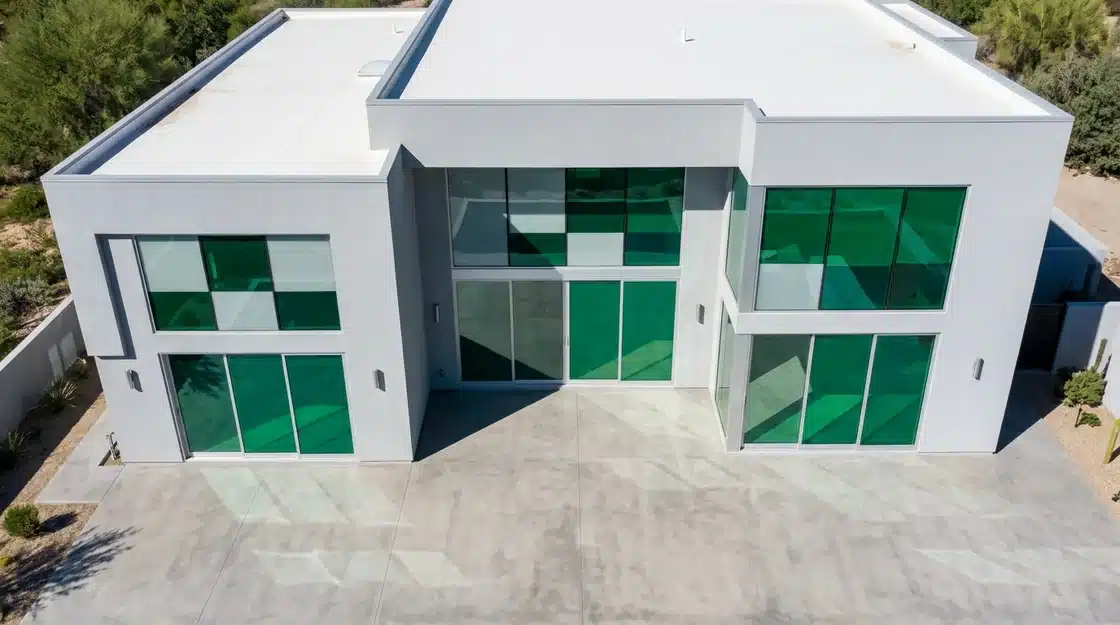
One of the most compelling reasons to consider smart glass is its ability to slash your energy bills. By modulating the amount of solar heat gain, these windows actively reduce the workload on your heating, ventilation, and air conditioning (HVAC) systems. A study published by the National Renewable Energy Laboratory (NREL) indicated that dynamic windows could reduce building energy consumption by up to 20-30% compared to traditional low-e windows, depending on climate and building design.
Think of it like a dimmer switch for the sun. On a sweltering summer day, the glass darkens, blocking heat before it enters your home. During cooler months, it can remain clear, inviting passive solar warming. This continuous optimization leads to a more stable indoor temperature, meaning less energy expended on heating or cooling. It’s a key component in achieving true ambient intelligence in your home.
Consider this comparison:
| Feature | Traditional Windows | Smart Glass Windows |
|---|---|---|
| Energy Bills (HVAC) | Higher (constant struggle against sun) | Significantly Lower (proactive solar control) |
| Thermal Comfort | Fluctuating temperatures, hot spots | Consistent, comfortable indoor climate |
| UV Protection | Minimal (fading furniture) | Excellent (blocks 99%+ UV rays) |
| Privacy Control | Blinds/curtains (manual, block views) | Instant, on-demand opacity (preserve views) |
This proactive management of solar radiation not only saves money but also extends the life of your HVAC equipment by reducing wear and tear. It’s a smart investment for any homeowner focused on efficiency.
Glare Reduction and Interior Protection
Ever tried watching TV or working on a laptop when intense sunlight beams directly onto your screen? Smart glass virtually eliminates this problem. The ability to instantly tint means you can cut glare without resorting to drawing blinds or curtains, which often sacrifice your view.
Beyond comfort, UV protection is a critical, often overlooked, benefit. The sun’s ultraviolet rays are notorious for fading furniture, artwork, and flooring over time. Smart glass blocks over 99% of harmful UV radiation, according to manufacturers like View, Inc., preserving your interior decor and valuables. This capability is a quiet guardian for your home’s aesthetics, preventing costly damage and extending the lifespan of your belongings. It’s a subtle but powerful enhancement to your daily living.
And what about those moments when you simply need some personal space? With a flick of a switch or a voice command — perhaps through your AI home assistant — the glass can transition from clear to opaque, offering instant privacy without compromising natural light (or at least, not completely). This flexibility is something traditional window treatments struggle to match, especially in modern open-plan designs.
Is Smart Glass Right for Your DIY Smart Home Project?
Considering smart glass for a DIY project? It’s tempting to jump into the latest tech, but assessing its suitability for your own setup is key. What most people miss is the initial investment; smart glass can be significantly more expensive than traditional windows, with costs varying based on size and type—sometimes 2-3 times higher. For example, a standard pane might run you $100-$300 per square foot, according to a recent analysis by Smart Home Tech Review. Installation complexity is another factor. While basic wiring might seem straightforward, integrating smart glass seamlessly into an existing smart home system often requires a deeper understanding of electrical work and control protocols. Are you comfortable routing wires and configuring new devices? Compatibility with platforms like Zigbee or Z-Wave is common, but ensuring it “talks” to your current hub for personalized routines — especially if you’re exploring the future of /ai-home-assistants-personalized-routines-future — can take some troubleshooting. Long-term maintenance for smart glass is relatively low, primarily involving routine cleaning, much like any other window. calibration or system updates might occasionally be needed. The data suggests that most smart glass systems are designed for durability, with a lifespan comparable to traditional windows, often exceeding 15-20 years. Here’s a quick look at the pros and cons if you’re thinking about a DIY smart glass installation:
- Pros:
- Full control over customization.
- Potential cost savings on labor.
- Deep satisfaction from building it yourself.
- Cons:
- Higher upfront material cost.
- Requires advanced technical skills.
- Risk of errors or damage during installation.
- Limited warranty coverage compared to professional installs.
Ultimately, weighing your budget, technical skills, and comfort with potential challenges will guide your decision. Perhaps you’re already adept at integrating new tech, like setting up /smart-furniture-wireless-charging-evolution, and this could be a natural next step.
Choosing Your Smart Glass: Key Features and Considerations
Selecting the right smart glass involves looking beyond just the “cool factor.” You need to consider several key performance metrics to ensure it meets your home’s needs. How quickly does it change tint? This is known as response time, and a faster response can be more convenient for sudden sun changes. According to a recent study by the National Renewable Energy Laboratory (NREL), some advanced electrochromic glass can shift tint in as little as 30 seconds, though earlier models often took several minutes. Another notable factor is the range of tint levels available. Does it offer subtle shading or near-complete opacity? What most people miss is how much this impacts light control and privacy. Beyond light, consider thermal performance: the U-factor measures how well the glass insulates, while the Solar Heat Gain Coefficient (SHGC) indicates how much solar radiation passes through. Lower numbers generally mean better energy efficiency. For instance, comparing two options, one with an SHGC of 0.25 and another at 0.45, the former will keep your home significantly cooler, potentially saving on air conditioning costs. Installation also varies considerably. Are you replacing existing windows entirely, or looking for a retrofit film application? Each method has different complexities and costs. Retrofit films are often a simpler DIY option, though they might not offer the same thermal performance as full window replacements. Think of it like deciding between painting a room yourself versus hiring a professional to re-plaster and paint—both achieve a similar goal, but with different levels of effort and outcome. Evaluating products means looking at warranty specifics, compatibility with your existing smart home setup — perhaps even how it integrates with your AI home assistants for personalized routines. Make sure to investigate long-term durability claims and read user reviews. The data suggests that user satisfaction often correlates with clear expectations set during the purchasing process, so ask detailed questions about installation and maintenance requirements.
The Evolving Horizon of Smart Glass
As we’ve explored, smart glass windows are far more than a passing technological fad; they represent a underlying shift in how we conceive of and interact with our built environments. The journey from simple light-reactive materials to advanced, interconnected systems capable of energy generation and augmented reality integration underscores a broader trend: our homes are becoming increasingly intelligent, responsive, and personalized. The question is no longer if smart glass will become ubiquitous, but rather, what new dimensions of comfort, efficiency, and interaction will it unlock next?
Frequently Asked Questions About Smart Glass Windows
How quickly do smart glass windows change tint?
The speed at which smart glass windows change tint primarily depends on the technology used. Electrochromic glass, for instance, can transition from clear to fully tinted in a matter of seconds to a few minutes, typically between 10 seconds and 5 minutes, depending on the window size and specific product. Photochromic glass, similar to transition lenses, reacts to UV light and can take longer, often several minutes, to fully darken or clear, varying with light intensity and temperature.
Can smart glass be installed in existing windows?
While some smart film products can be retrofitted onto existing windows, true smart glass units (insulated glass units with embedded technology) generally require full window replacement. This is because the smart materials are integrated between the glass panes during manufacturing. For minor upgrades or specific applications, smart films offer a more accessible, albeit sometimes less performant, alternative to a full window overhaul.
What happens to smart glass during a power outage?
During a power outage, the behavior of smart glass depends on its specific technology. Electrochromic glass typically reverts to its default state, which is often clear, but some newer systems are designed to maintain their last tinted state. Photochromic and thermochromic glasses, being passive technologies, continue to function based on UV light or temperature changes, respectively, as they do not require an electrical power supply to operate.
Is smart glass effective in all climates?
Yes, smart glass is effective in a wide range of climates, though its benefits might manifest differently. In hot climates, it excels at reducing solar heat gain and glare, significantly cutting cooling costs. In colder climates, it can be optimized to allow passive solar heating when desired, while still blocking harsh glare. Its adaptability makes it a versatile solution for managing indoor environments globally, adjusting to seasonal changes and daily weather patterns.
What is the average lifespan of smart glass windows?
The average lifespan of smart glass windows is comparable to or often exceeds that of high-quality traditional windows, typically ranging from 20 to 30 years. Manufacturers often provide extensive warranties, reflecting confidence in the durability of the integrated technologies. Factors like proper installation, maintenance, and the specific type of smart glass can influence its longevity, but they are designed for long-term performance.