
Home Energy Audits 2026: Uncover Hidden Waste & Save Hundreds
In an era where sustainability and cost-efficiency are paramount, understanding and optimizing your home’s energy consumption has never been more critical. Welcome to 2026, where advancements in technology and a renewed focus on environmental responsibility make a compelling case for every homeowner to consider a comprehensive home energy audit. This isn’t just about saving a few dollars; it’s about unlocking significant savings, enhancing comfort, and contributing to a greener planet. If you’ve ever wondered why your utility bills seem inexplicably high, or if certain rooms in your house are always too hot or too cold, a professional home energy audit is your definitive answer.
The landscape of energy consumption is constantly evolving. With rising energy costs, global climate concerns, and the proliferation of smart home technologies, the traditional approach to managing household energy is no longer sufficient. A thorough home energy audit provides a detailed roadmap, pinpointing exactly where your home is losing energy and, consequently, money. It’s an investment that pays dividends, often within a surprisingly short timeframe, transforming your living space into a more efficient, comfortable, and environmentally friendly haven.
This comprehensive guide will delve into what a home energy audit entails in 2026, why it’s more important than ever, the cutting-edge tools and techniques employed, and how you can leverage its findings to achieve substantial savings and improve your home’s overall performance. Prepare to uncover hidden waste and embark on a journey towards a more energy-efficient future.
What Exactly is a Home Energy Audit? The 2026 Perspective
At its core, a home energy audit is a systematic assessment of your home’s energy efficiency. While the fundamental goal remains the same – to identify areas of energy waste – the methods and technologies employed in 2026 are significantly more advanced than those even a few years ago. No longer just a visual inspection, today’s audits combine sophisticated diagnostics with expert analysis to provide a holistic view of your home’s energy performance.
Beyond the Basics: Modern Audit Techniques
- Blower Door Tests: This crucial test depressurizes your home to reveal air leakage pathways, allowing auditors to pinpoint exactly where conditioned air is escaping or unconditioned air is entering. In 2026, these systems are more precise, often integrated with real-time data analysis software.
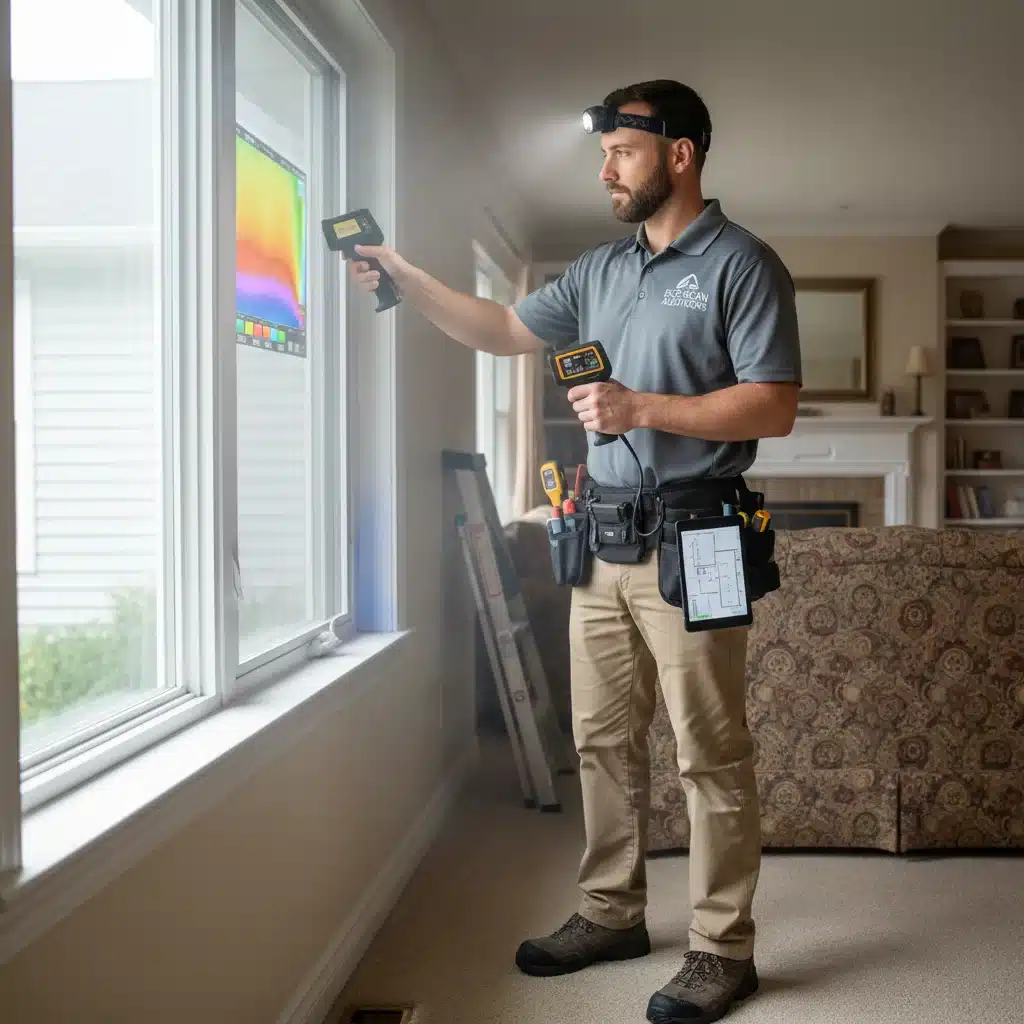
- Infrared Thermography: Using advanced thermal cameras, auditors can visualize temperature differences across surfaces, exposing areas of insufficient insulation, air leaks, and moisture issues that are invisible to the naked eye. The resolution and accuracy of these cameras have dramatically improved, offering unparalleled insights.
- Combustion Appliance Safety Testing: Ensuring the safe operation of furnaces, water heaters, and other combustion appliances is paramount. Modern audits include detailed testing for carbon monoxide leaks and proper venting, often utilizing highly sensitive digital detectors.
- Detailed Insulation Assessment: Beyond a visual check, 2026 audits often incorporate techniques to assess the R-value (thermal resistance) of existing insulation without destructive methods, using tools like boroscopes or specialized thermal probes.
- Appliance and Lighting Efficiency Analysis: With the proliferation of smart appliances and advanced LED lighting, audits now include a more granular analysis of individual appliance consumption and recommendations for upgrades to the latest energy-efficient models.
- Smart Home System Integration Review: For homes equipped with smart thermostats, lighting, and energy management systems, auditors can now review data logs and optimize settings for maximum efficiency, sometimes even identifying software glitches or suboptimal programming.
- Duct Leakage Testing: Leaky ducts can account for significant energy loss, especially in forced-air heating and cooling systems. Advanced duct blasters and pressure gauges precisely measure leakage rates, leading to targeted sealing recommendations.
A professional home energy audit in 2026 is conducted by certified energy auditors who possess a deep understanding of building science, HVAC systems, and the latest energy-efficient technologies. They don’t just identify problems; they provide actionable solutions tailored to your specific home and climate.
Why 2026 is the Ideal Time for a Home Energy Audit
Several converging factors make 2026 a prime year to invest in a home energy audit:
Soaring Energy Costs
Utility prices continue their upward trend, driven by geopolitical factors, infrastructure demands, and the transition to renewable energy sources. Every unit of energy wasted translates directly into higher monthly bills. A home energy audit is your first line of defense against these escalating costs, providing the data needed to make informed decisions that reduce consumption.
Advancements in Technology and Diagnostics
As detailed above, the tools and techniques available to auditors are more sophisticated than ever. What was once guesswork is now precision measurement. This means more accurate diagnoses of energy issues and more effective recommendations for improvements, maximizing your return on investment from a home energy audit.
Increased Focus on Sustainability and Carbon Footprint Reduction
Environmental consciousness is at an all-time high. Homeowners are increasingly looking for ways to reduce their carbon footprint and contribute to a healthier planet. An energy-efficient home uses less fossil fuel-derived energy, directly lowering its environmental impact. A home energy audit is the foundational step in this journey, identifying opportunities for significant reductions in energy consumption.
Government Incentives and Rebates
Many governments and local utilities are offering attractive incentives, tax credits, and rebates for homeowners who undertake energy efficiency upgrades. These programs often require a professional home energy audit as a prerequisite, making the audit itself a gateway to further financial benefits. Checking local and federal programs for 2026 is highly recommended.
Enhanced Home Comfort and Indoor Air Quality
Beyond savings, an energy-efficient home is simply more comfortable. Eliminating drafts, balancing temperatures, and improving insulation lead to a more consistent indoor climate. Furthermore, addressing air leaks can significantly improve indoor air quality by preventing the infiltration of dust, allergens, and pollutants. A home energy audit tackles these issues head-on, improving your living environment.
The Home Energy Audit Process: What to Expect
Understanding the steps involved in a professional home energy audit can help you prepare and maximize its effectiveness. While specific procedures may vary slightly by auditor, the general flow is consistent:
Step 1: Initial Consultation and Data Collection
The process usually begins with an initial consultation. The auditor will gather information about your home’s history, your current energy bills, any existing comfort issues, and your specific goals for the audit. They’ll ask about past renovations, appliance ages, and typical thermostat settings. This preliminary data helps them tailor the audit to your needs.
Step 2: Comprehensive Visual Inspection
A thorough walk-through of your home, both inside and out, is the next step. The auditor will examine the building envelope (walls, roof, foundation), windows, doors, insulation levels, HVAC systems, water heater, and major appliances. They’ll look for obvious signs of wear, damage, or inefficiency.
Step 3: Diagnostic Testing with Advanced Equipment
This is where the cutting-edge technology of a 2026 home energy audit shines. The auditor will deploy tools like:
- Blower Door: Installed in an exterior doorway, this powerful fan measures the airtightness of your home.
- Thermal Camera: Used to identify insulation gaps, air leaks, and thermal bridging.
- Combustion Analyzer: To check the efficiency and safety of fuel-burning appliances.
- Duct Blaster: To locate leaks in your HVAC ductwork.
- Moisture Meter: To detect hidden moisture issues that can compromise insulation and structural integrity.
These tests provide quantifiable data, moving beyond subjective observations to objective measurements of your home’s energy performance.
Step 4: Data Analysis and Report Generation
After the on-site assessment, the auditor will analyze all the collected data. This often involves specialized software that models your home’s energy consumption, projecting potential savings from various upgrades. The output is a comprehensive report detailing:
- Specific areas of energy waste.
- Prioritized recommendations for improvements, from simple DIY fixes to major renovations.
- Estimated costs for each recommended improvement.
- Projected energy savings and payback periods for each upgrade.
- Information on available incentives, rebates, and financing options.
Step 5: Review and Implementation Guidance
The auditor will typically present their findings to you, explaining the report in detail and answering any questions you may have. They can help you prioritize improvements based on your budget and goals, and often provide referrals to qualified contractors for larger projects. This guidance is invaluable in translating audit findings into actionable steps.
Uncovering Hidden Waste: Common Energy Audit Discoveries
The beauty of a home energy audit lies in its ability to reveal inefficiencies you might never suspect. Here are some of the most common culprits:
Air Leaks and Drafts
Often the biggest source of energy waste, air leaks around windows, doors, electrical outlets, plumbing penetrations, and attic hatches allow conditioned air to escape and unconditioned air to infiltrate. These aren’t always obvious drafts; many are hidden within walls or ceiling cavities. Sealing these leaks is often the most cost-effective energy improvement.
Inadequate or Deteriorated Insulation
Older homes, in particular, often lack sufficient insulation in attics, walls, and crawl spaces. Over time, insulation can settle, become wet, or be damaged by pests, reducing its effectiveness. A home energy audit precisely identifies these areas, recommending the optimal insulation type and R-value for your climate.
Inefficient HVAC Systems
An aging furnace, air conditioner, or heat pump can be a huge energy hog. Furthermore, improperly sized or poorly maintained systems operate inefficiently. The audit assesses your HVAC system’s performance and recommends maintenance, repairs, or replacement with high-efficiency models.
Leaky Ductwork
Even if your HVAC unit is efficient, if the ductwork distributing the air is leaky, you’re losing a significant amount of conditioned air before it reaches its destination. Duct leaks in unconditioned spaces (attics, crawl spaces) are particularly wasteful. Audits pinpoint these leaks for sealing.
Old, Inefficient Windows and Doors
While often visible, the true extent of energy loss through old single-pane windows or poorly sealed doors is often underestimated. The audit can quantify this loss and help you prioritize replacement or weatherization efforts.
Outdated Appliances and Lighting
Older refrigerators, dishwashers, washing machines, and traditional incandescent light bulbs consume significantly more energy than their modern, ENERGY STAR® certified counterparts. The audit can highlight opportunities for upgrades that offer quick returns.
Phantom Loads
Many electronics continue to draw power even when turned off or in standby mode. These ‘phantom loads’ can add up. While not a major focus of diagnostic testing, a good auditor will point out this common source of waste and suggest solutions like smart power strips.
Saving Hundreds: Implementing Audit Recommendations
The real value of a home energy audit comes from acting on its recommendations. Here’s how to turn insights into savings:
Prioritize High-Impact, Low-Cost Fixes
Many audit reports will highlight simple, inexpensive improvements that offer significant returns. These often include:
- Sealing air leaks with caulk and weatherstripping.
- Adding insulation to your attic.
- Installing a smart thermostat and optimizing its schedule.
- Replacing incandescent bulbs with LEDs.
- Sealing ductwork.
These ‘low-hanging fruit’ can often reduce your energy bills by 10-20% almost immediately.
Consider Major Upgrades Strategically
For larger investments like new windows, a high-efficiency HVAC system, or extensive insulation upgrades, use the audit’s projected savings and payback periods to make informed decisions. Factor in available incentives and your long-term plans for the home. Remember, these upgrades not only save money but also increase home value and comfort.
Leverage Professional Help
While some recommendations can be DIY, many require the expertise of trained professionals. Don’t hesitate to seek out reputable contractors for insulation installation, HVAC servicing, or window replacement. Your energy auditor can often provide a list of trusted local professionals.
Monitor Your Progress
After implementing changes, continue to monitor your energy bills. Many smart home energy management systems and utility provider portals allow you to track consumption over time, helping you see the direct impact of your improvements. This feedback loop can be incredibly motivating.
Choosing the Right Energy Auditor in 2026
Not all energy auditors are created equal. To ensure you get the most out of your home energy audit, consider the following:
- Certifications: Look for auditors certified by reputable organizations such as the Building Performance Institute (BPI) or RESNET. These certifications indicate a high level of training and adherence to industry standards.
- Experience: Choose an auditor with a proven track record and experience with homes similar to yours.
- Comprehensive Services: Ensure the auditor performs a full range of diagnostic tests, not just a visual inspection.
- Detailed Reporting: The report should be clear, easy to understand, and include prioritized recommendations with cost and savings estimates.
- References and Reviews: Check online reviews and ask for references from previous clients.
- Local Knowledge: An auditor familiar with your local climate and building codes can offer more relevant and effective recommendations.
The Future of Home Energy Audits: Beyond 2026
The field of home energy audits is continuously evolving. Looking beyond 2026, we can anticipate even more integration of artificial intelligence and machine learning to predict energy consumption patterns, identify anomalies, and optimize smart home systems autonomously. Drones equipped with thermal cameras might become standard for roof and exterior inspections, and virtual reality could allow homeowners to ‘walk through’ their energy audit report. The goal remains the same: to make homes as energy-efficient, comfortable, and sustainable as possible.
Conclusion: Your Path to a More Efficient Home Starts with a Home Energy Audit
In 2026, a home energy audit is no longer a luxury but a necessity for any homeowner looking to save money, enhance comfort, and reduce their environmental impact. By precisely identifying areas of energy waste and providing a clear path to improvement, an audit empowers you to make informed decisions that pay dividends for years to come. Don’t let hidden inefficiencies drain your wallet and compromise your comfort. Take the proactive step, invest in a professional home energy audit, and unlock hundreds, if not thousands, in annual savings. Your journey to a smarter, more sustainable home begins today.