In an era where every penny counts and environmental consciousness is paramount, optimizing home energy consumption has become a priority for many homeowners. Among the various household appliances, the water heater stands out as a significant energy consumer, often accounting for a substantial portion of your monthly utility bill. As we look towards 2026, advancements in technology offer exciting opportunities for homeowners to invest in water heater upgrades that not only provide superior performance and comfort but also deliver substantial savings. This comprehensive guide will delve into the latest innovations, helping you understand how strategic water heater upgrades can slash your utility bills by 10% or more, contributing to both your financial well-being and a greener planet.
The landscape of water heating is evolving rapidly, with a strong emphasis on energy efficiency, smart technology, and sustainability. Gone are the days when a water heater was a simple, set-it-and-forget-it appliance. Today, homeowners have a plethora of options, each designed to meet specific needs while maximizing efficiency. Understanding these options is the first step towards making an informed decision that will pay dividends for years to come.
The Imperative for Water Heater Upgrades: Why Now?
The decision to undertake water heater upgrades is often driven by a combination of factors: an aging unit nearing the end of its lifespan, a desire to reduce energy costs, or a commitment to environmental responsibility. For many, the increasing cost of energy serves as a powerful motivator. Traditional tank-style water heaters, especially older models, are notoriously inefficient, constantly heating and reheating a large tank of water, leading to significant standby heat loss. This continuous energy drain translates directly into higher utility bills.
Moreover, as technology progresses, the gap in efficiency between older and newer models widens. What was once considered efficient a decade ago might now be a drain on your resources. Governments and utility companies are also increasingly offering incentives, rebates, and tax credits for homeowners who invest in energy-efficient appliances, making 2026 an opportune time to consider these upgrades. These financial incentives can significantly offset the initial investment, making the transition to a more efficient system even more appealing.
Understanding Your Current Water Heating Costs
Before diving into specific water heater upgrades, it’s crucial to understand your current energy consumption. Your water heater typically accounts for 15-20% of your home’s total energy use, sometimes even more depending on household size and habits. Reviewing past utility bills can provide valuable insight into how much you’re spending specifically on water heating. Many utility providers offer detailed breakdowns of energy usage, allowing you to pinpoint this cost. Once you have a clear picture of your current expenditures, you can better appreciate the potential savings offered by upgrading to a more efficient system.
Factors influencing your water heating costs include:
- Type of water heater: Tank vs. tankless, electric vs. gas.
- Age of the unit: Older units are less efficient and may have accumulated sediment.
- Insulation: Poorly insulated tanks or pipes lose heat more quickly.
- Household size and hot water demand: More occupants and higher demand mean more energy use.
- Temperature settings: Higher thermostat settings consume more energy.
By identifying these factors, you can start to see where inefficiencies lie and how new water heater upgrades can address them directly.
Top Water Heater Upgrades for 2026: A Detailed Look
The market for water heating solutions is diverse, offering options that cater to different budgets, household sizes, and energy preferences. Here, we explore the leading water heater upgrades that promise significant savings and enhanced performance in 2026.
1. Heat Pump Water Heaters (HPWHs)
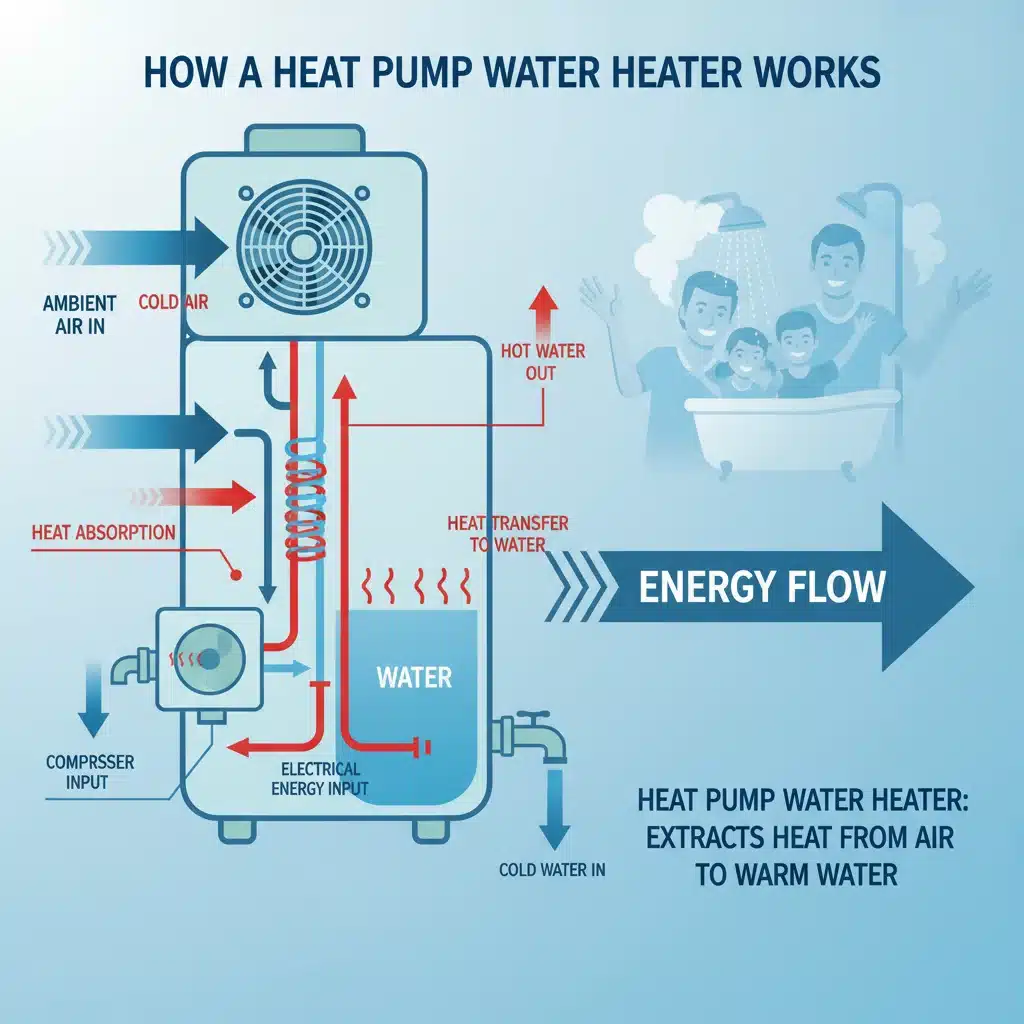
Heat pump water heaters, also known as hybrid electric water heaters, are arguably one of the most exciting and energy-efficient water heater upgrades available. Unlike traditional electric resistance water heaters that generate heat directly, HPWHs work by transferring heat from the surrounding air to the water in the tank. This process is similar to how a refrigerator works, but in reverse.
How they work: An HPWH uses a fan to draw in ambient air, which contains heat. This heat is then absorbed by a refrigerant, which is compressed, increasing its temperature. The hot refrigerant then transfers its heat to the water in the tank. Because they move heat rather than generate it, HPWHs can be two to three times more energy-efficient than conventional electric storage water heaters.
Benefits:
- Significant energy savings: Can reduce electricity consumption for water heating by up to 60-70%.
- Environmental benefits: Lower greenhouse gas emissions due to reduced electricity use.
- Cooling effect: As they extract heat from the air, they also slightly cool and dehumidify the space where they are installed, which can be a bonus in warmer climates or utility rooms.
Considerations:
- Installation space: Require sufficient air volume around them (typically at least 1,000 cubic feet) to operate efficiently.
- Temperature requirements: Perform best in unconditioned spaces that remain above 40°F (4.4°C) year-round.
- Higher upfront cost: Generally more expensive than conventional electric water heaters, though the savings often lead to a quick payback period.
2. Tankless Water Heaters (On-Demand Water Heaters)
Tankless water heaters have gained immense popularity as a top choice for water heater upgrades due to their ability to provide hot water on demand, eliminating standby heat loss. Instead of storing hot water, these units heat water directly as it flows through a heat exchanger when a hot water tap is opened.
How they work: When a hot water faucet is turned on, cold water travels through a pipe into the tankless unit. A gas burner or electric element heats the water rapidly. The unit delivers a constant supply of hot water until the faucet is closed.
Benefits:
- Endless hot water: Never run out of hot water, a significant advantage for larger families or homes with multiple simultaneous hot water demands.
- Energy efficiency: Can be 24-34% more energy efficient than conventional storage tank water heaters for average families, and up to 50% more for homes that use very little hot water.
- Space saving: Much smaller than tank units, freeing up valuable floor space.
- Longer lifespan: Typically last longer than tank water heaters (20+ years vs. 10-15 years).
Considerations:
- Higher upfront cost: Installation can be more complex and expensive, especially if gas lines or electrical systems need upgrading.
- Flow rate limitations: While they provide endless hot water, they have a limited flow rate, meaning multiple simultaneous uses might reduce water temperature or pressure.
- Ventilation requirements: Gas tankless units require proper ventilation.
3. Solar Water Heaters
For environmentally conscious homeowners and those in sunny climates, solar water heaters represent a highly sustainable water heater upgrade. These systems use the sun’s energy to heat water, significantly reducing reliance on conventional energy sources.
How they work: Solar collectors, usually mounted on the roof, absorb sunlight to heat a fluid. This heated fluid then transfers its warmth to water stored in a separate tank. Most solar water heaters also include a conventional backup system for cloudy days or periods of high demand.
Benefits:
- Substantial energy savings: Can reduce water heating costs by 50-80%, especially in sunny regions.
- Environmental impact: Zero greenhouse gas emissions from water heating.
- Long-term investment: While the initial cost is high, the long-term savings and environmental benefits are considerable.
Considerations:
- High upfront cost: The most expensive of the water heater upgrades, though significant rebates and tax credits often apply.
- Climate dependency: Performance is directly tied to sunlight availability.
- Installation complexity: Requires roof space for collectors and integration with existing plumbing.
4. Smart Water Heater Technology
Beyond the heating mechanism itself, smart technology is revolutionizing how we manage our hot water. Integrating smart features into your water heater upgrades can provide additional layers of control, efficiency, and convenience.
Features:
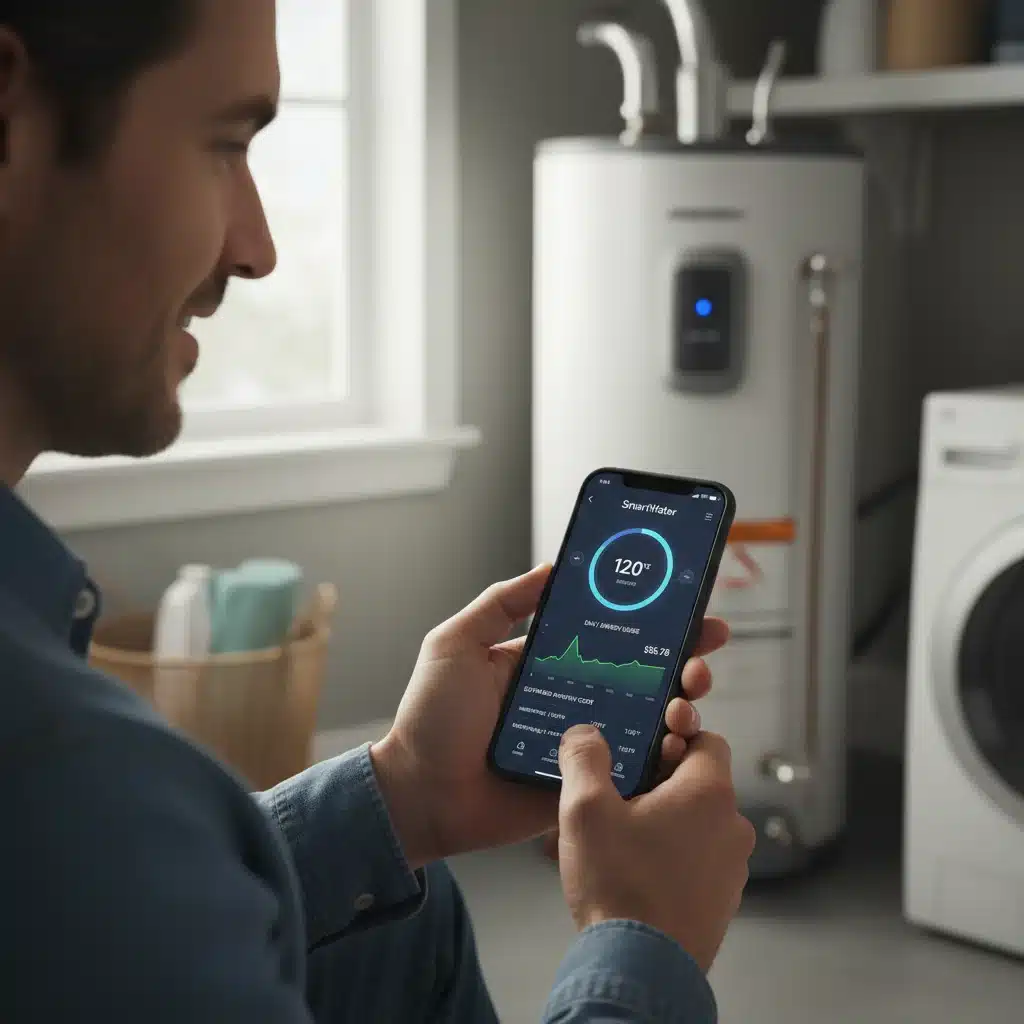
- Wi-Fi connectivity: Allows remote control via smartphone apps.
- Scheduling: Program your water heater to operate during off-peak electricity hours or to align with your daily hot water demand.
- Energy monitoring: Track hot water usage and energy consumption in real-time, helping you identify areas for further savings.
- Leak detection: Some smart units include sensors that can detect leaks early, preventing costly water damage.
- Vacation mode: Reduces energy consumption when you’re away from home, then powers back up before your return.
Benefits:
- Enhanced control and convenience: Manage your hot water from anywhere.
- Optimized energy use: Fine-tune settings to match your lifestyle and reduce waste.
- Peace of mind: Alerts for potential issues like leaks.
Considerations:
- Initial cost: Smart features often add to the price of the unit.
- Reliable Wi-Fi: Requires a stable internet connection for full functionality.
Achieving 10% or More Savings on Your Utility Bill
The promise of saving 10% or more on your monthly utility bill through water heater upgrades is not an exaggeration. Here’s how these savings are realized and how you can maximize them:
Reduced Energy Consumption
The core of the savings comes from the inherent efficiency of modern water heaters. Heat pump and tankless systems significantly reduce the energy required to heat water compared to older, conventional tank models. By eliminating standby heat loss (in tankless units) or by using ambient air heat (in HPWHs), these systems perform the same task with far less energy input.
Optimized Usage with Smart Features
Smart technology empowers homeowners to fine-tune their hot water usage. By scheduling heating cycles during off-peak hours when electricity rates are lower, or by activating vacation mode when away, you can strategically reduce energy consumption. Real-time monitoring helps you understand your habits and make adjustments, leading to more efficient use of hot water and greater savings.
Proper Sizing and Installation
One of the most critical factors in maximizing savings from water heater upgrades is proper sizing and professional installation. An undersized unit might struggle to meet demand, leading to inefficient operation, while an oversized unit wastes energy by heating more water than necessary. A qualified professional can assess your household’s hot water needs, recommend the appropriate size and type of water heater, and ensure it’s installed correctly to achieve peak efficiency.
Maintenance and Longevity
Regular maintenance is key to ensuring your new, efficient water heater continues to perform optimally and deliver savings. This includes flushing the tank (for HPWHs) to remove sediment, checking for leaks, and inspecting components. A well-maintained unit will operate more efficiently, last longer, and prevent costly repairs down the line, further contributing to your overall savings.
Leveraging Incentives and Rebates
To further enhance your savings, research local, state, and federal incentives for energy-efficient water heater upgrades. Many governments and utility companies offer rebates, tax credits, or low-interest loans for installing HPWHs, solar water heaters, and even high-efficiency tankless units. These incentives can significantly reduce the initial investment, making the payback period even shorter and the overall savings more substantial.
Installation and Professional Guidance
While the allure of DIY projects is strong for many homeowners, water heater upgrades are complex installations that typically require professional expertise. Working with hot water, electricity, and potentially gas lines carries inherent risks and demands specialized knowledge to ensure safety, compliance with local codes, and optimal performance.
Choosing a Qualified Installer
When planning your water heater upgrades, it is paramount to select a certified and experienced plumber or HVAC technician. Look for professionals who:
- Are licensed and insured in your area.
- Have specific experience installing the type of water heater you choose (e.g., heat pump, tankless, solar).
- Can provide references or show examples of previous work.
- Offer warranties on both the unit and their installation.
- Are knowledgeable about local building codes and permits required for water heater installation.
A professional will conduct a thorough assessment of your home, including your existing plumbing, electrical capacity, ventilation, and hot water demand, to recommend the best system for your needs. They will also handle the disposal of your old unit responsibly.
Permits and Regulations
Depending on your location, installing a new water heater often requires obtaining permits from your local municipality. These permits ensure that the installation adheres to safety standards and building codes. A reputable installer will be familiar with these requirements and can guide you through the permitting process, ensuring your water heater upgrades are compliant and safe.
Beyond the Bill: Additional Benefits of Modern Water Heaters
While reducing utility bills is a primary driver for water heater upgrades, these modern systems offer several other benefits that enhance home comfort, safety, and environmental responsibility.
Increased Comfort and Convenience
Imagine never running out of hot water, even after multiple showers or concurrent appliance use. Tankless water heaters provide this luxury, offering an endless supply of hot water on demand. Smart features, as discussed, add a layer of convenience, allowing you to control your system from anywhere and ensure hot water is ready when you need it.
Enhanced Safety Features
Modern water heaters, particularly electric models, often come with advanced safety features that older units lack. These can include improved temperature and pressure relief valves, leak detection systems, and automatic shut-off mechanisms in case of malfunctions. These features provide peace of mind and protect your home from potential water damage or other hazards.
Reduced Environmental Impact
Opting for energy-efficient water heater upgrades is a direct contribution to environmental sustainability. By consuming less energy, especially electricity from fossil fuel-powered grids, you reduce your carbon footprint. Solar water heaters take this a step further by harnessing renewable energy directly, making your home significantly greener.
Increased Home Value
Investing in energy-efficient appliances, including advanced water heaters, can increase your home’s resale value. Prospective buyers are increasingly looking for homes with lower operating costs and modern amenities. An updated, efficient water heating system can be a significant selling point, demonstrating a commitment to sustainability and cost savings.
Conclusion: A Smart Investment for 2026 and Beyond
The decision to pursue water heater upgrades in 2026 is more than just replacing an old appliance; it’s a strategic investment in your home’s efficiency, comfort, and future. With the advent of highly efficient heat pump, tankless, and solar water heaters, coupled with intelligent smart home integrations, homeowners have unprecedented opportunities to significantly reduce their energy consumption and utility bills by 10% or more.
By understanding the different technologies, considering your household’s specific needs, and enlisting the help of qualified professionals, you can navigate the upgrade process confidently. The initial investment, while sometimes higher, is quickly recouped through substantial energy savings, extended appliance lifespan, and potential rebates and incentives. Furthermore, the added benefits of increased comfort, enhanced safety, and a reduced environmental footprint make these water heater upgrades a truly worthwhile endeavor for any forward-thinking homeowner. Embrace the future of water heating and start enjoying significant savings and a more sustainable home today.