
Retrofitting Existing Appliances: 3 Smart Modules to Add in 2026 for Instant Automation
The dream of a fully automated home is no longer a distant fantasy. With the rapid advancements in smart home technology, retrofitting existing appliances with intelligent modules has become an accessible and cost-effective way to bring instant automation to your living space. In 2026, the market is brimming with innovative solutions designed to transform your conventional devices into smart, connected components of your digital ecosystem. This comprehensive guide will delve into the top three smart appliance modules that are set to revolutionize how we interact with our homes, offering unparalleled convenience, energy efficiency, and control. Whether you’re looking to automate your morning coffee, manage your laundry remotely, or optimize your home’s energy consumption, these smart appliance modules provide the perfect entry point into a smarter future without the need for a complete appliance overhaul.
Why Retrofit Your Existing Appliances? The Smart Choice for 2026
Before we dive into the specific smart appliance modules, let’s understand the compelling reasons behind retrofitting. In an era where sustainability and efficiency are paramount, simply replacing perfectly functional appliances with newer, smart-enabled models isn’t always the most economical or environmentally friendly option. Retrofitting allows you to extend the lifespan of your current devices while imbuing them with modern functionalities. This approach not only saves you money but also reduces electronic waste, contributing to a more sustainable lifestyle. The integration of smart appliance modules provides a bridge between the old and the new, allowing you to enjoy the benefits of home automation without a hefty investment or significant disruption to your household.
The benefits extend beyond mere cost savings. Imagine a washing machine that notifies you when a cycle is complete, a coffee maker that starts brewing as your alarm rings, or a fan that adjusts its speed based on the room’s temperature. These are not futuristic concepts but realities made possible by smart appliance modules. These devices often integrate with popular smart home ecosystems like Amazon Alexa, Google Home, and Apple HomeKit, providing a centralized control hub for all your automated tasks. The ease of installation and intuitive user interfaces make these modules accessible to tech-savvy individuals and beginners alike, truly democratizing home automation.
Furthermore, the data collected by these smart appliance modules can offer valuable insights into your energy consumption patterns. By understanding which appliances use the most power and when, you can make informed decisions to optimize usage and reduce your utility bills. This level of granular control and insight was once reserved for high-end smart homes, but with the advent of affordable and versatile smart appliance modules, it’s now within reach for everyone. The year 2026 marks a pivotal moment where these technologies have matured, offering robust performance, enhanced security, and seamless integration, making it the ideal time to embrace the power of smart retrofitting.
Module 1: The Universal Smart Plug with Energy Monitoring
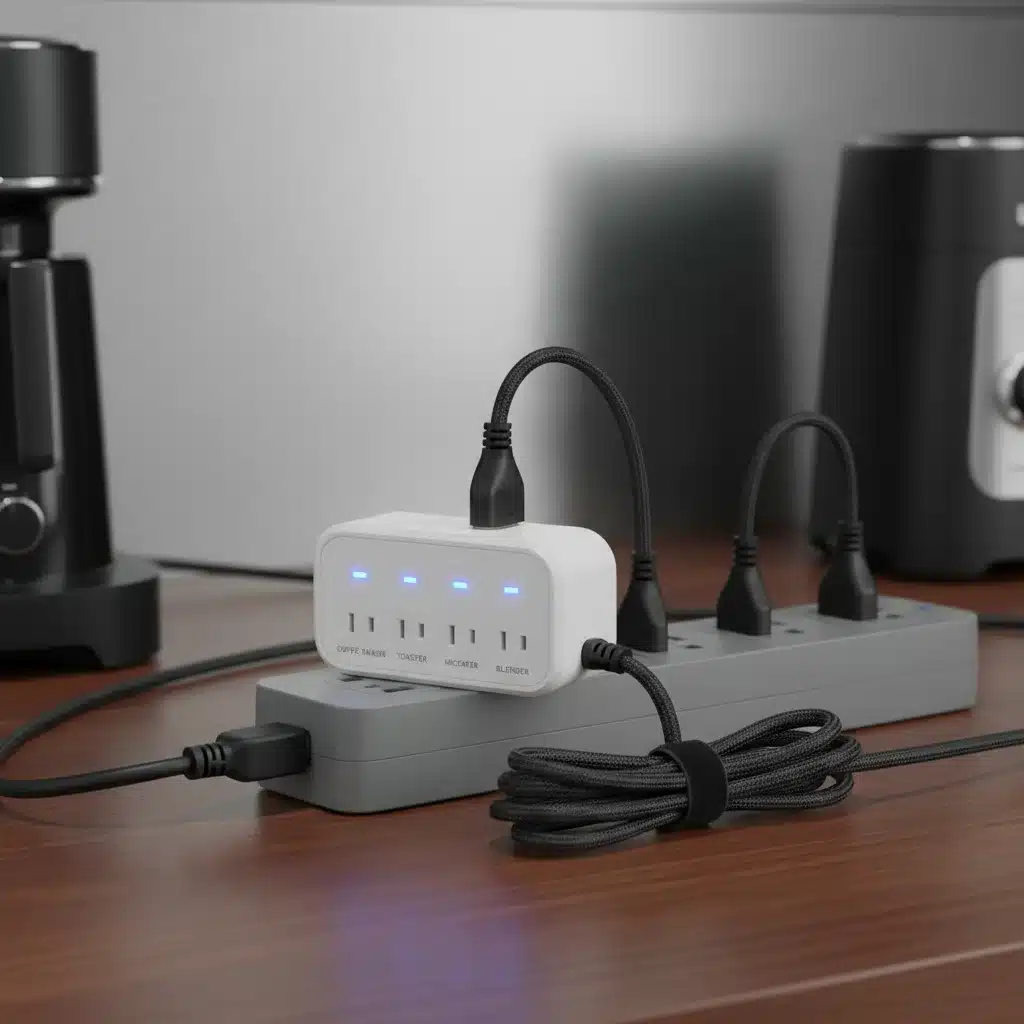
The humble smart plug has evolved significantly, becoming an indispensable tool for retrofitting. In 2026, the leading universal smart plugs are more than just remote on/off switches; they are sophisticated smart appliance modules offering advanced features like real-time energy monitoring, scheduling, and even voice control. These devices are incredibly versatile, capable of transforming almost any appliance with a power cord into a smart device. From lamps and fans to slow cookers and humidifiers, the possibilities are virtually endless. The ease of installation – simply plug it into an outlet and then plug your appliance into the smart plug – makes it an instant upgrade.
Key Features and Benefits:
- Energy Monitoring: This is where the 2026 smart plugs truly shine. Advanced sensors provide accurate, real-time data on your appliance’s energy consumption. This allows you to identify energy vampires, track usage patterns, and make informed decisions to reduce your carbon footprint and save on electricity bills. Many apps offer historical data and customizable reports, empowering you to become a more energy-conscious homeowner.
- Scheduling and Timers: Set your coffee maker to start brewing at 7 AM every weekday, or ensure your holiday lights turn off automatically at midnight. The scheduling features are highly customizable, allowing for daily, weekly, or even sunrise/sunset-based automation. This not only adds convenience but also enhances security by making your home appear occupied when you’re away.
- Voice Control Integration: Seamlessly integrate with popular voice assistants like Amazon Alexa, Google Assistant, and Apple Siri. Imagine saying, “Hey Google, turn on the fan,” and having it respond instantly. This hands-free control adds a layer of futuristic convenience that modern homeowners crave.
- Remote Access: Control your appliances from anywhere in the world using your smartphone. Forgot to turn off the curling iron? No problem. Want to turn on the lights before you arrive home? Easy. This remote access provides peace of mind and unparalleled flexibility.
- Overload Protection: Many advanced smart plugs now include built-in surge protection, safeguarding your valuable appliances from power fluctuations. This added layer of security ensures your retrofitted devices are not only smart but also safe.
When choosing a universal smart plug in 2026, look for models that support open standards like Matter or Thread for future-proofing and broader compatibility. These smart appliance modules are often the first step for many homeowners venturing into smart home automation, offering a low barrier to entry and immediate, tangible benefits. Their simplicity belies their power, making them a foundational element of any retrofitted smart home.
Module 2: Smart Relay Switches for Integrated Appliance Control
For those seeking a more integrated and less visible solution, smart relay switches represent the next level in smart appliance modules. Unlike smart plugs that sit externally, smart relay switches are typically installed within the electrical box behind an existing switch or outlet, or directly inside the appliance itself (for advanced users). This offers a cleaner aesthetic and a more permanent integration, making your existing switches and appliances truly smart without visible external devices. These modules are particularly effective for hardwired appliances or those with existing wall switches, such as ceiling fans, garbage disposals, and even older built-in ovens (with professional installation for safety).
Key Features and Benefits:
- Seamless Integration: Once installed, the smart relay switch makes your existing physical switch smart. You can still use the traditional switch, but it now also responds to app commands, voice control, and automation routines. This dual control offers flexibility and ensures that even guests unfamiliar with your smart home setup can easily operate devices.
- Advanced Scene and Automation Creation: Beyond simple on/off, smart relay switches excel in complex automation. Link them with motion sensors to turn on lights when you enter a room, or integrate them into a ‘Good Morning’ scene that triggers your coffee machine, opens smart blinds, and turns on specific lights. The level of customization is profound, allowing you to tailor your home’s behavior to your lifestyle.
- Compact Design: Modern smart relay switches are incredibly compact, designed to fit into standard electrical boxes without requiring extensive modifications. This makes them an ideal choice for renters or those who prefer not to alter their home’s infrastructure significantly.
- Multi-way Control: For lighting circuits controlled by multiple switches (e.g., hallway lights), smart relay modules can often be configured to provide smart control from all points, eliminating the need to replace every physical switch with a smart one.
- Compatibility with High-Power Appliances: Unlike some smart plugs, many smart relay switches are designed to handle higher wattage appliances, making them suitable for devices like water heaters or electric ovens, provided they are professionally installed and meet electrical codes.
Installation of smart relay switches often requires basic electrical knowledge and should be undertaken with caution, or preferably by a qualified electrician, especially for high-voltage appliances. However, the benefits of their discreet integration and powerful automation capabilities make them a top choice for a truly smart and aesthetically pleasing home. As smart appliance modules continue to evolve in 2026, these relays are becoming more user-friendly, with clearer instructions and safer designs, making them an increasingly popular option for comprehensive home automation.
Module 3: Appliance-Specific Smart Modules for Enhanced Functionality
While universal smart plugs and relay switches offer broad compatibility, a new wave of appliance-specific smart modules is emerging in 2026, designed to unlock deeper, more nuanced functionalities within particular types of devices. These smart appliance modules go beyond simple power control, often integrating directly with the appliance’s internal systems or sensors to provide specialized automation, diagnostics, and control. Think beyond just turning something on or off; these modules aim to make your old appliance perform like its brand-new smart counterpart.
Examples and Benefits:
- Smart Washing Machine/Dryer Modules: These modules can detect the completion of a cycle, notify you on your phone, and even trigger subsequent actions like starting the dryer (if integrated). Some advanced versions might monitor water usage or detect detergent levels, providing insights for optimized laundry routines.
- Smart Refrigerator Modules: While not fully turning your old fridge into a smart hub, these modules can monitor internal temperature fluctuations, alert you if the door is left ajar, or even track energy consumption more accurately than a generic smart plug for this specific appliance. Some might even integrate with inventory management apps, though this is still an emerging area for retrofitting.
- Smart HVAC Controller Modules: These are not new thermostats, but rather modules that integrate with your existing HVAC system to add smart scheduling, zone control (if your system supports it), and remote diagnostics. They can learn your preferences, optimize energy use based on external weather data, and even integrate with air quality sensors.
- Smart Irrigation Controller Modules: For existing sprinkler systems, these modules connect to your current wiring to add weather-aware scheduling, soil moisture sensor integration, and remote control via an app. This can significantly reduce water waste and ensure your garden thrives.
- Smart Garage Door Opener Modules: Easily retrofit your existing garage door opener to add remote control, status monitoring (is the door open or closed?), and integration with geofencing, so it opens automatically as you approach home.
The key advantage of these appliance-specific smart appliance modules is their tailored approach. They leverage the unique characteristics and sensors of the device they are retrofitting, providing a level of control and intelligence that universal solutions cannot match. While they might require more specific installation instructions, the enhanced functionality often justifies the effort. As we move further into 2026, expect to see more of these specialized modules for a wider array of home appliances, making smart home integration even more granular and effective.
Integrating Your Smart Appliance Modules: Building a Cohesive Smart Home Ecosystem
Adding individual smart appliance modules is just the first step. The true power of retrofitting comes from integrating these devices into a cohesive smart home ecosystem. In 2026, interoperability standards like Matter and Thread are making this easier than ever, allowing devices from different manufacturers to communicate seamlessly. When choosing your modules, prioritize those that support these open standards or are compatible with your preferred smart home platform (e.g., Google Home, Amazon Alexa, Apple HomeKit, Samsung SmartThings).
Tips for a Seamless Integration:
- Choose a Central Hub: A smart home hub or a powerful smart speaker (like an Amazon Echo or Google Nest Hub) can act as the brain of your system, allowing all your smart appliance modules to communicate and execute complex routines.
- Plan Your Automations: Think about your daily routines. What tasks could be automated? When does your coffee machine need to start? When should the lights turn on? Planning these automations beforehand will help you maximize the utility of your smart modules.
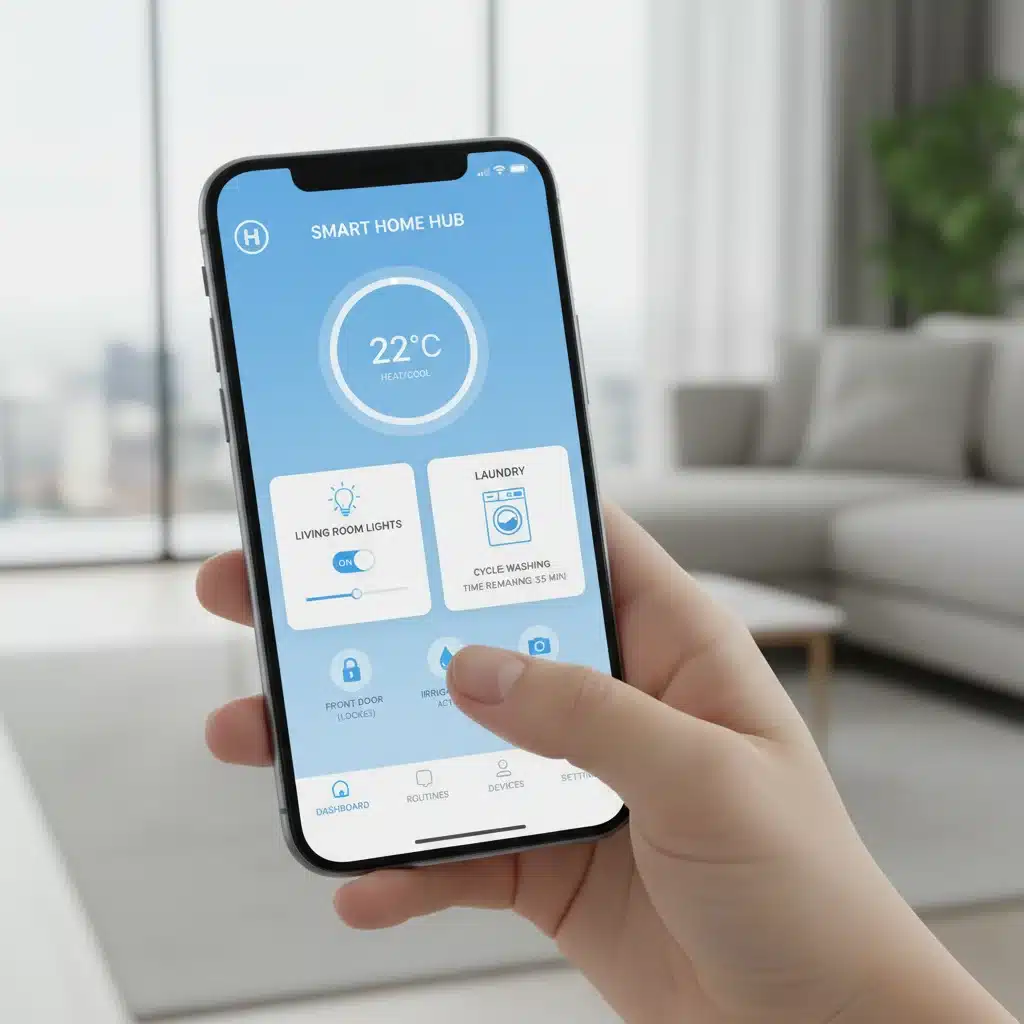
- Utilize Scenes and Routines: Most smart home platforms allow you to create ‘scenes’ or ‘routines’ that trigger multiple actions with a single command or based on specific conditions. For example, a ‘Goodnight’ routine could turn off all lights, lower the thermostat, and arm your smart security system.
- Consider IFTTT (If This Then That): For advanced users, IFTTT allows you to create custom applets that connect disparate services and devices, expanding the automation possibilities beyond what your primary smart home platform might offer.
- Prioritize Security and Privacy: Ensure your smart appliance modules and network are secure. Use strong, unique passwords, enable two-factor authentication, and keep your device firmware updated to protect against potential vulnerabilities.
By thoughtfully integrating your smart appliance modules, you can create a truly intelligent home that anticipates your needs, conserves energy, and enhances your overall quality of life. The journey into home automation is an ongoing one, with new technologies and integrations constantly emerging. Staying informed and strategically choosing your retrofitting solutions will ensure your home remains at the cutting edge of smart living.
The Future of Retrofitting: Beyond 2026
As we look beyond 2026, the landscape of smart appliance modules is set to evolve even further. We can anticipate greater integration with AI and machine learning, allowing devices to learn your habits with even greater precision and anticipate your needs proactively. Imagine modules that can predict when your washing machine needs maintenance, or a refrigerator module that automatically reorders groceries when supplies run low, based on your consumption patterns. The convergence of IoT, AI, and advanced sensor technology will push the boundaries of what’s possible in retrofitting.
Miniaturization will also continue, leading to even smaller, more discreet smart appliance modules that can be seamlessly embedded into virtually any appliance without altering its appearance. The focus will shift towards ‘invisible’ technology – powerful, intelligent solutions that operate silently in the background, enhancing your life without drawing attention to themselves. Furthermore, with increasing concerns about data privacy, future modules will likely offer enhanced encryption and more transparent data handling policies, giving users greater control over their personal information.
The regulatory environment will also play a crucial role, with governments and industry bodies pushing for universal standards and interoperability to ensure a seamless and secure smart home experience for all. This will foster greater competition and innovation, leading to even more affordable and powerful smart appliance modules. The era of proprietary ecosystems is slowly giving way to a more open and interconnected smart home, making retrofitting an even more attractive and viable option for homeowners worldwide.
Conclusion: Embrace Instant Automation with Smart Appliance Modules
The year 2026 presents an exciting opportunity for homeowners to embrace instant automation through the strategic use of smart appliance modules. From the versatile universal smart plugs with energy monitoring to the discreet smart relay switches and the specialized appliance-specific modules, there’s a solution for nearly every need and every appliance. These retrofitting solutions offer a powerful blend of convenience, energy efficiency, and modern control, all without the need for expensive replacements.
By carefully selecting and integrating these smart appliance modules into your existing home infrastructure, you can unlock a new level of intelligence and responsiveness in your living space. The benefits extend beyond mere novelty, touching upon significant energy savings, enhanced security, and a simplified daily routine. As smart home technology continues its rapid advancement, embracing retrofitting is not just a trend; it’s a smart, sustainable, and forward-thinking approach to modern living. Start your journey towards a smarter home today, and experience the transformative power of instant automation with the best smart appliance modules of 2026.