Optimizing Smart Blinds: Automating Window Coverings for Privacy and Light Control in 2026
Optimizing Smart Blinds: Automating Window Coverings for Privacy and Light Control in 2026
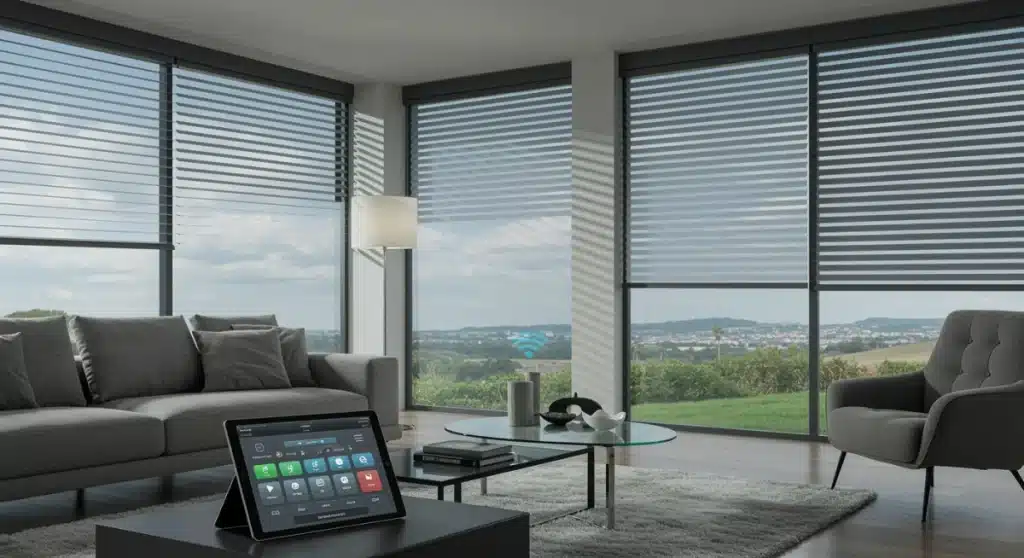
In the rapidly evolving landscape of smart home technology, one area that has seen significant advancements and adoption is the automation of window coverings. Specifically, smart blind automation has moved beyond a mere luxury to become an essential component of modern, energy-efficient, and secure homes. As we look towards 2026, the capabilities and integration of smart blinds are reaching new heights, offering unparalleled levels of privacy, light control, and convenience. This comprehensive guide will delve into the world of smart blind automation, exploring its benefits, the latest technologies, installation considerations, and what the future holds for these intelligent window coverings.
The Evolution of Window Coverings: From Manual to Smart Blind Automation
For centuries, window coverings served a singular purpose: to block out light and provide privacy. From simple curtains to Venetian blinds, the mechanism remained largely manual. The advent of electricity brought about motorized options, offering a glimpse into a more convenient future. However, it is the integration of internet connectivity, sensors, and artificial intelligence that has truly transformed window coverings into ‘smart’ devices. Today, smart blind automation allows homeowners to control their blinds with a tap on a smartphone, a voice command, or even based on pre-set schedules and environmental conditions.
The journey from basic motorization to sophisticated smart blind automation has been driven by a desire for greater comfort, energy efficiency, and security. Early motorized blinds were often standalone units, controlled by a dedicated remote. The current generation of smart blinds, however, are integral parts of a larger smart home ecosystem, communicating with other devices and responding to complex scenarios. This interconnectedness is what truly defines the ‘smart’ in smart blinds, offering a level of control and customization that was once unimaginable.
The year 2026 marks a pivotal point where these technologies are becoming more refined, accessible, and integrated into everyday life. The focus is no longer just on opening and closing blinds, but on creating an optimal living environment through intelligent management of natural light and privacy.
Key Benefits of Smart Blind Automation in Modern Homes
The advantages of implementing smart blind automation in your home are multifaceted, extending beyond mere convenience. These benefits contribute significantly to overall home comfort, energy management, and even security.
Enhanced Privacy and Security
One of the most immediate and tangible benefits of smart blind automation is the ability to control privacy with unprecedented ease. Whether you’re at home or away, you can schedule your blinds to close at dusk or open at dawn, mimicking occupancy and deterring potential intruders. This dynamic adjustment of window coverings adds a crucial layer of security, making your home appear occupied even when it’s not. For example, integrating smart blinds with motion sensors can trigger them to close instantly if unusual activity is detected outside, further enhancing security protocols. The peace of mind that comes with knowing your home’s privacy and security are being actively managed, even when you’re not physically present, is invaluable.
Optimal Light Control and Glare Reduction
Natural light is a powerful element in any home, influencing mood, productivity, and the aesthetic appeal of a space. Smart blind automation allows for precise control over the amount of natural light entering a room. You can program your blinds to adjust throughout the day, ensuring optimal illumination without harsh glare. This is particularly beneficial for rooms with east or west-facing windows, where direct sunlight can be intense during certain hours. Imagine waking up to blinds slowly opening, allowing a gentle stream of sunlight to fill your bedroom, or having your living room blinds automatically adjust to prevent glare on your television screen during movie night. This level of granular control over light significantly enhances the comfort and usability of your living spaces.
Significant Energy Efficiency and Cost Savings
Energy efficiency is a major concern for homeowners, and smart blind automation plays a crucial role in reducing energy consumption. By automatically adjusting to external conditions, smart blinds can help regulate indoor temperatures. During hot summer months, they can close to block solar heat gain, reducing the load on your air conditioning system. In winter, they can open to allow sunlight to warm your home, minimizing heating costs. This intelligent management of solar energy can lead to substantial savings on utility bills over time. Many systems integrate with smart thermostats, creating a cohesive energy management strategy that optimizes both heating and cooling based on real-time environmental data and occupancy patterns.
Increased Convenience and Accessibility
The convenience offered by smart blind automation is undeniable. No more struggling with cords or manually adjusting multiple blinds across several windows. With a single command – whether via a smartphone app, voice assistant, or pre-set schedule – all your blinds can operate in unison. This is particularly beneficial for large homes, homes with many windows, or for individuals with mobility challenges. The ability to control window coverings from anywhere, at any time, adds a layer of comfort and ease to daily living that truly elevates the smart home experience. Imagine being able to close all your blinds from your car as you leave for vacation, or opening them to air out your home before you even arrive back.
Integration with Smart Home Ecosystems
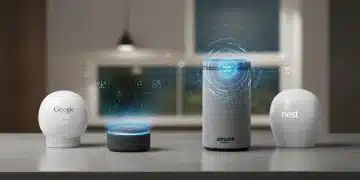
Modern smart blind automation systems are designed to seamlessly integrate with popular smart home platforms like Apple HomeKit, Google Home, Amazon Alexa, and Samsung SmartThings. This integration allows for unified control over various smart devices in your home. You can create complex scenes and routines, such as a ‘Good Morning’ scene that simultaneously opens your blinds, turns on your coffee maker, and adjusts your thermostat. This level of interconnectedness transforms your home into an intelligent environment that anticipates your needs and responds accordingly, making daily life smoother and more enjoyable. The interoperability between different smart devices is a cornerstone of the modern smart home, and smart blinds are at the forefront of this trend.
Cutting-Edge Features and Technologies in 2026 Smart Blinds
The technological landscape of smart blind automation is constantly evolving, with new features and innovations emerging regularly. In 2026, we are seeing a solidification of several key technologies that are making smart blinds more intelligent, responsive, and user-friendly.
Advanced Sensor Integration (Light, Temperature, Occupancy)
Beyond basic timers, modern smart blinds are equipped with an array of sensors that allow for truly adaptive automation. Light sensors can detect ambient light levels and adjust blinds to maintain a consistent brightness or to block direct sunlight. Temperature sensors can work in conjunction with HVAC systems to optimize indoor climate. Occupancy sensors can ensure blinds are only adjusted when a room is in use, or conversely, close for privacy when a room is occupied. This multi-sensor approach allows for dynamic and proactive control, moving beyond simple schedules to real-time environmental responses. For example, if a sudden heatwave hits, your blinds can automatically close to prevent your home from overheating, even if it wasn’t pre-scheduled.
Voice Control and AI Integration
Voice control has become a staple in smart homes, and smart blind automation is no exception. Compatibility with virtual assistants like Amazon Alexa, Google Assistant, and Apple’s Siri allows users to control their blinds with simple voice commands. This hands-free operation adds a layer of convenience, especially when your hands are full. Furthermore, advancements in AI are enabling more sophisticated voice interactions, where the system can understand context and intent, leading to more natural and intuitive control. Imagine simply saying, “It’s too bright in here,” and your blinds intelligently adjust to the optimal position without further instruction. This level of AI integration is rapidly becoming a standard expectation.
Geofencing and Location-Based Automation
Geofencing technology allows smart blinds to respond to your physical location. For instance, your blinds can automatically open as you approach your home and close as you leave, ensuring privacy and security without any manual intervention. This location-based automation adds a significant layer of convenience and energy efficiency, ensuring that blinds are always in the optimal position based on whether you are home or away. It’s a subtle yet powerful feature that seamlessly integrates your smart home with your daily routine, providing a truly personalized experience.
Solar-Powered Options and Battery Life Improvements
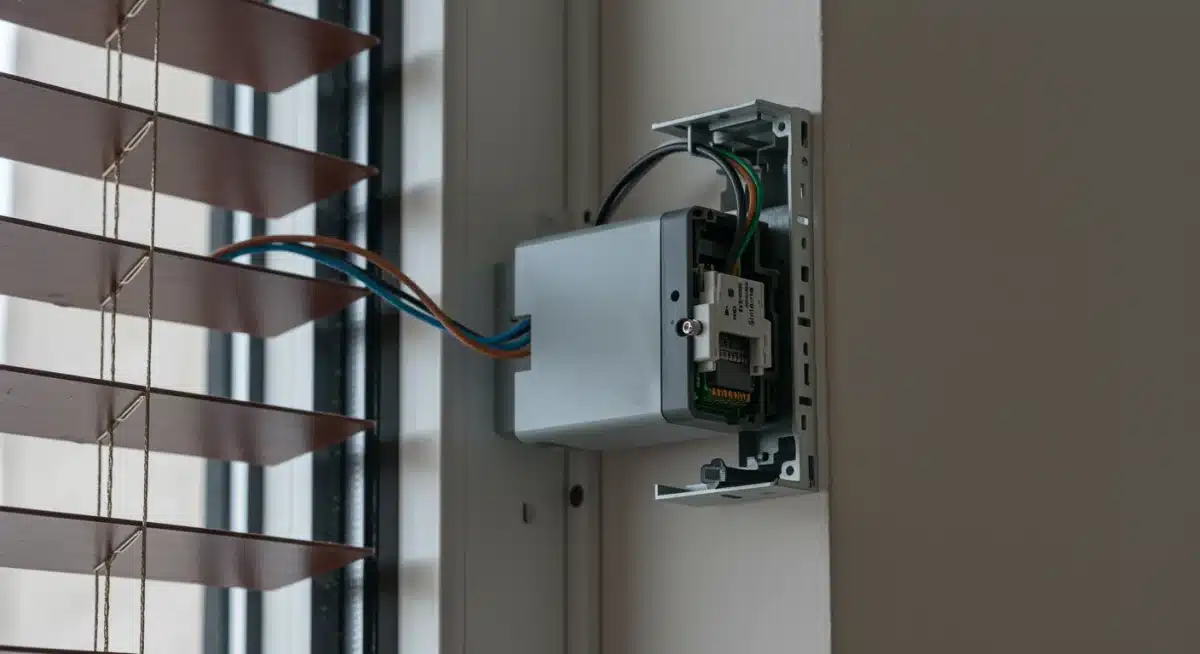
Sustainability is a growing concern, and smart blind manufacturers are responding with more eco-friendly options. Solar-powered smart blinds are gaining popularity, eliminating the need for electrical wiring or frequent battery changes. For battery-powered models, significant advancements in battery technology have led to extended battery life, often lasting for months or even a year on a single charge. This reduces maintenance and makes installation simpler, as there’s no need to run electrical wires to each window. These innovations make smart blind automation a more attractive and sustainable choice for a wider range of homeowners.
Improved Connectivity and Mesh Networking
Reliable connectivity is paramount for any smart home device. In 2026, smart blinds are benefiting from improved Wi-Fi capabilities, Bluetooth LE, and emerging mesh networking protocols like Thread and Zigbee. These technologies ensure stable and responsive communication between devices, even in large homes. Mesh networking, in particular, allows devices to relay signals to one another, extending the range and reliability of the network, and ensuring that every blind in your home responds promptly and consistently to commands. This robust connectivity is crucial for a seamless and frustration-free smart home experience.
Choosing the Right Smart Blind Automation System
With a plethora of options available, selecting the ideal smart blind automation system can seem daunting. Several factors need to be considered to ensure the chosen system meets your specific needs and integrates well with your existing smart home setup.
Types of Smart Blinds and Shades
The term ‘smart blinds’ is an umbrella for various types of automated window coverings. These include:
- Roller Shades: Simple, sleek, and popular for their minimalist design.
- Cellular Shades: Excellent for insulation, offering both light control and energy efficiency.
- Venetian Blinds: Classic design with adjustable slats for precise light control.
- Roman Shades: Offer a softer, more fabric-like aesthetic.
- Draperies: Automated tracks for curtains, perfect for larger windows and a luxurious feel.
Each type offers different aesthetic and functional benefits, so consider the style of your home and your primary goals (e.g., maximum light blockage, insulation, specific aesthetic) when making your selection.
Compatibility with Existing Smart Home Hubs
Before investing in smart blind automation, verify its compatibility with your current smart home ecosystem. Most leading brands support major platforms like Amazon Alexa, Google Home, and Apple HomeKit. Ensuring compatibility will allow you to control your blinds alongside your other smart devices, creating a cohesive and integrated smart home experience. Look for systems that are open-source or support widely adopted protocols for maximum flexibility.
Power Options: Wired, Battery, or Solar
Consider the power source that best suits your home. Wired options offer consistent power but require professional installation and potentially new wiring. Battery-powered blinds are easier to install but require periodic battery replacement or recharging. Solar-powered blinds offer an eco-friendly and low-maintenance solution, ideal for windows that receive ample sunlight. The choice depends on your installation preferences, budget, and access to power outlets near windows.
Installation and Customization Options
Installation can range from DIY-friendly battery-powered blinds to professionally installed wired systems. Assess your comfort level with home improvement projects or budget for professional installation if needed. Customization is also key; look for systems that offer a wide range of fabrics, colors, and sizes to perfectly match your home’s decor. Some manufacturers also offer custom-cut blinds to fit unusually shaped or sized windows, ensuring a seamless aesthetic.
Installation and Setup of Smart Blind Automation
Implementing smart blind automation can be a straightforward process, but understanding the steps involved is crucial for a successful setup. Whether you opt for a DIY approach or professional installation, preparation is key.
DIY vs. Professional Installation
Many battery-powered and some plug-in smart blinds are designed for DIY installation, often requiring basic tools and following manufacturer instructions. This can be a cost-effective option for those comfortable with minor home projects. However, for wired systems, large or heavy blinds, or complex integrations, professional installation is highly recommended. Professionals ensure proper wiring, secure mounting, and optimal calibration, guaranteeing the longevity and performance of your smart blinds. They can also troubleshoot any compatibility issues with your smart home hub and ensure all features are correctly configured.
Connecting to Your Smart Home Network
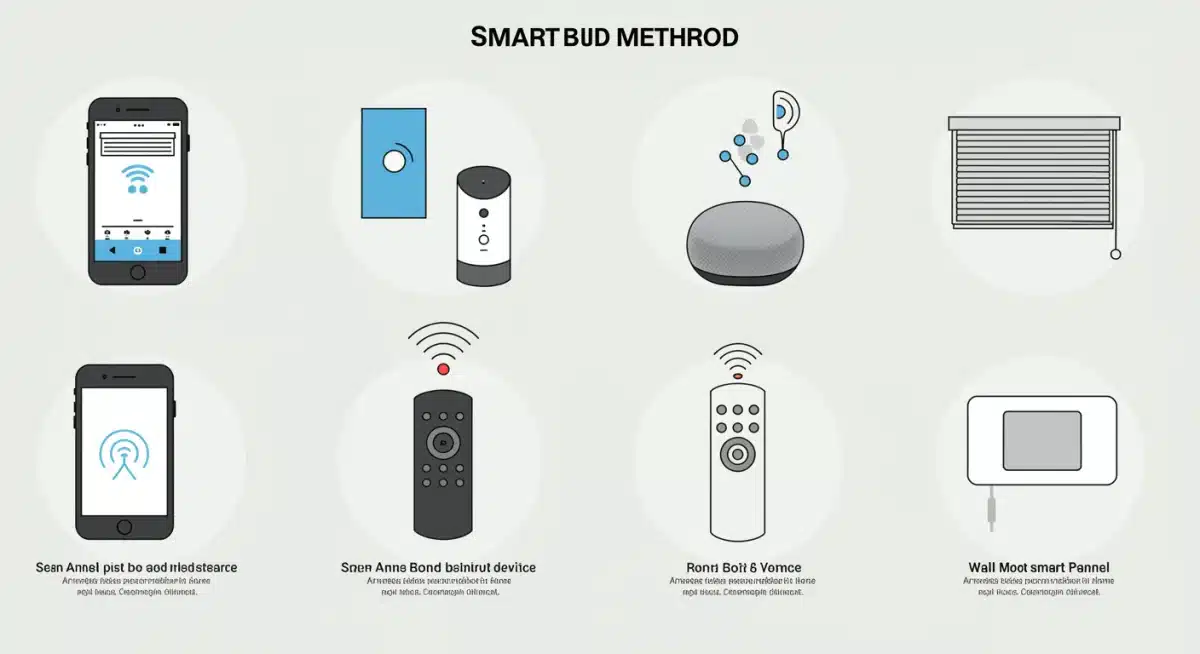
Once physically installed, the next step is connecting your smart blinds to your home’s Wi-Fi network and integrating them with your smart home hub. This typically involves downloading the manufacturer’s app, pairing the blinds, and then linking them to your central smart home platform (e.g., Google Home, Alexa). Follow the specific instructions provided by the manufacturer, as pairing processes can vary. Ensure your Wi-Fi signal is strong near all windows where blinds are installed to prevent connectivity issues. A robust and stable network is fundamental for seamless smart blind automation.
Setting Up Schedules and Routines
The true power of smart blind automation lies in its ability to operate autonomously. Utilize the scheduling features within your smart home app to create routines that align with your daily life. For example:
- Morning Routine: Blinds slowly open at sunrise or a set time to gently wake you.
- Away Routine: Blinds close when you leave the house and open subtly during the day to mimic occupancy.
- Evening Routine: Blinds close at dusk for privacy and security.
- Movie Night Scene: Living room blinds close completely, and lights dim for an immersive experience.
Experiment with different settings to find what works best for your lifestyle and energy-saving goals. Many systems also allow for conditional automation based on weather forecasts, indoor temperature, or even the position of the sun, adding another layer of intelligence.
Maintaining Your Smart Blind Automation System
Like any smart home device, regular maintenance ensures the longevity and optimal performance of your smart blind automation system. While largely hands-off, a few simple practices can keep your blinds running smoothly.
Regular Cleaning and Inspection
Keep your smart blinds clean according to the manufacturer’s instructions. Dust and debris can accumulate on fabrics and mechanisms, potentially affecting their operation. Periodically inspect the tracks, cords, and motor units for any signs of wear or obstruction. Gentle cleaning with a soft cloth or a vacuum cleaner attachment is usually sufficient. Avoid harsh chemicals that could damage the material or electronic components.
Battery Management (for Battery-Powered Systems)
If you have battery-powered smart blinds, monitor battery levels regularly through your smart home app. Replace or recharge batteries as recommended by the manufacturer. Ignoring low battery warnings can lead to inconsistent operation or complete loss of automation. Consider investing in rechargeable batteries or solar charging accessories if available for your model to reduce waste and maintenance efforts.
Software Updates and Troubleshooting
Ensure your smart blind system’s firmware and your smart home app are always up to date. Manufacturers frequently release updates that improve performance, add new features, and patch security vulnerabilities. If you encounter any issues, such as blinds not responding or connectivity problems, consult the manufacturer’s troubleshooting guide or contact customer support. Often, a simple reboot of the device or your smart home hub can resolve minor glitches. A proactive approach to updates helps maintain the security and efficiency of your smart blind automation.
The Future of Smart Blind Automation: What to Expect Beyond 2026
The pace of innovation in smart home technology shows no signs of slowing down, and smart blind automation is poised for even more exciting developments beyond 2026. The future promises even greater intelligence, integration, and user-centric design.
Greater AI and Machine Learning Integration
Expect smart blinds to become even more intuitive and predictive. Future systems will leverage advanced AI and machine learning to learn your preferences and habits over time, automatically adjusting without explicit programming. They might anticipate weather changes, optimize light based on your presence in a room, or even adjust for seasonal variations in sun path, offering a truly personalized and effortless experience. This will move beyond simple rules-based automation to a more adaptive and ‘aware’ system.
Seamless Integration with Building Management Systems
For larger residential and commercial properties, smart blind automation will increasingly integrate with broader building management systems (BMS). This will allow for centralized control of all building elements – lighting, HVAC, security, and window coverings – to maximize energy efficiency and occupant comfort on a grander scale. This holistic approach to building intelligence will become the norm for new constructions and major renovations.
Enhanced Material Science and Design
Innovations in material science will lead to smart blinds with enhanced properties. Imagine blinds that can dynamically change opacity, or materials that are self-cleaning and even generate small amounts of electricity. Design will also evolve, with even more discreet motors and aesthetically pleasing options that blend seamlessly into any architectural style, making the technology virtually invisible.
Standardization and Interoperability
While current systems offer good compatibility, the future will see greater standardization across platforms, making it even easier to mix and match devices from different manufacturers. Initiatives like Matter are paving the way for truly universal interoperability, simplifying the setup and management of complex smart home ecosystems. This will reduce consumer friction and accelerate the adoption of smart blind automation.
Augmented Reality for Installation and Customization
Augmented Reality (AR) tools could revolutionize the selection and installation process. Imagine using an AR app on your phone or tablet to virtually preview different blind styles and colors on your windows before purchasing, or to receive step-by-step AR instructions for self-installation. This will empower consumers with greater confidence and accuracy in their choices.
Conclusion: Embracing the Smart Blind Revolution for 2026 and Beyond
As we navigate through 2026, smart blind automation stands as a testament to how technology can profoundly enhance our daily lives. From providing unparalleled privacy and security to optimizing natural light and significantly boosting energy efficiency, smart blinds are more than just a convenience; they are an intelligent investment in a more comfortable, sustainable, and secure home.
The continuous innovation in sensors, AI, connectivity, and material science ensures that these intelligent window coverings will only become more sophisticated and integral to the smart home ecosystem. Whether you are building a new home, renovating an existing one, or simply looking to upgrade your living experience, exploring the benefits of smart blind automation is a worthwhile endeavor.
Embrace the future of home comfort and efficiency by integrating smart blinds into your smart home strategy. The seamless control, energy savings, and peace of mind they offer make them a cornerstone of modern living, promising a brighter, more private, and more efficient home for years to come.