
Smart Home Automation for Enhanced Accessibility: New Technologies for US Homes in 2026
The concept of a home is evolving. Beyond being a mere shelter, it’s becoming a dynamic, responsive environment tailored to our individual needs. This transformation is particularly profound in the realm of accessibility. As we step into 2026, the landscape of Smart Home Accessibility in the US is witnessing unprecedented advancements, promising a future where homes are not just smart, but truly inclusive and empowering for everyone, regardless of age, ability, or circumstance. This comprehensive guide explores the cutting-edge technologies and trends that are reshaping how we live, making independence and comfort a reality for millions.
The Dawn of a New Era: Why Smart Home Accessibility Matters More Than Ever
In a rapidly aging population and with a growing recognition of the diverse needs of individuals with disabilities, the demand for accessible living solutions has never been higher. Traditional home modifications, while effective, often come with significant costs and can be intrusive. Smart Home Accessibility offers a more elegant, integrated, and often more affordable alternative. By leveraging the power of automation, artificial intelligence, and interconnected devices, smart homes can anticipate needs, respond to commands, and provide a level of independence that was once unimaginable.
The benefits extend far beyond convenience. For individuals with mobility challenges, a smart home can mean the difference between reliance on caregivers and self-sufficiency. For those with visual impairments, intuitive voice controls and haptic feedback can open up new possibilities. For the elderly, smart home systems can provide peace of mind for families, offering monitoring and emergency response capabilities without compromising privacy. The economic impact is also significant, potentially reducing healthcare costs associated with in-home care and institutionalization.
Understanding the Pillars of Smart Home Accessibility in 2026
At its core, Smart Home Accessibility in 2026 is built upon several key technological pillars:
- Advanced Voice Control: Beyond simple commands, AI-powered voice assistants are becoming more nuanced, understanding context, multiple accents, and even emotional cues.
- Personalized Automation: Systems learn user routines and preferences, automating tasks like lighting adjustments, climate control, and entertainment based on individual habits.
- Integrated Sensor Networks: A web of sensors (motion, occupancy, environmental, biometric) provides real-time data, enabling proactive adjustments and alerts.
- Robotics and AI Companions: From robotic vacuum cleaners to more sophisticated assistive robots, these devices are becoming increasingly integrated into daily life.
- Adaptive Interfaces: Touchscreens, physical buttons, and even gaze-tracking technology are being designed with universal accessibility in mind, offering multiple modes of interaction.
- Interoperability and Open Standards: The industry is moving towards greater compatibility between devices and platforms, making it easier to build comprehensive, customized smart home ecosystems.
Key Technologies Driving Smart Home Accessibility in US Homes by 2026
1. Voice-Activated Everything: Beyond Basic Commands
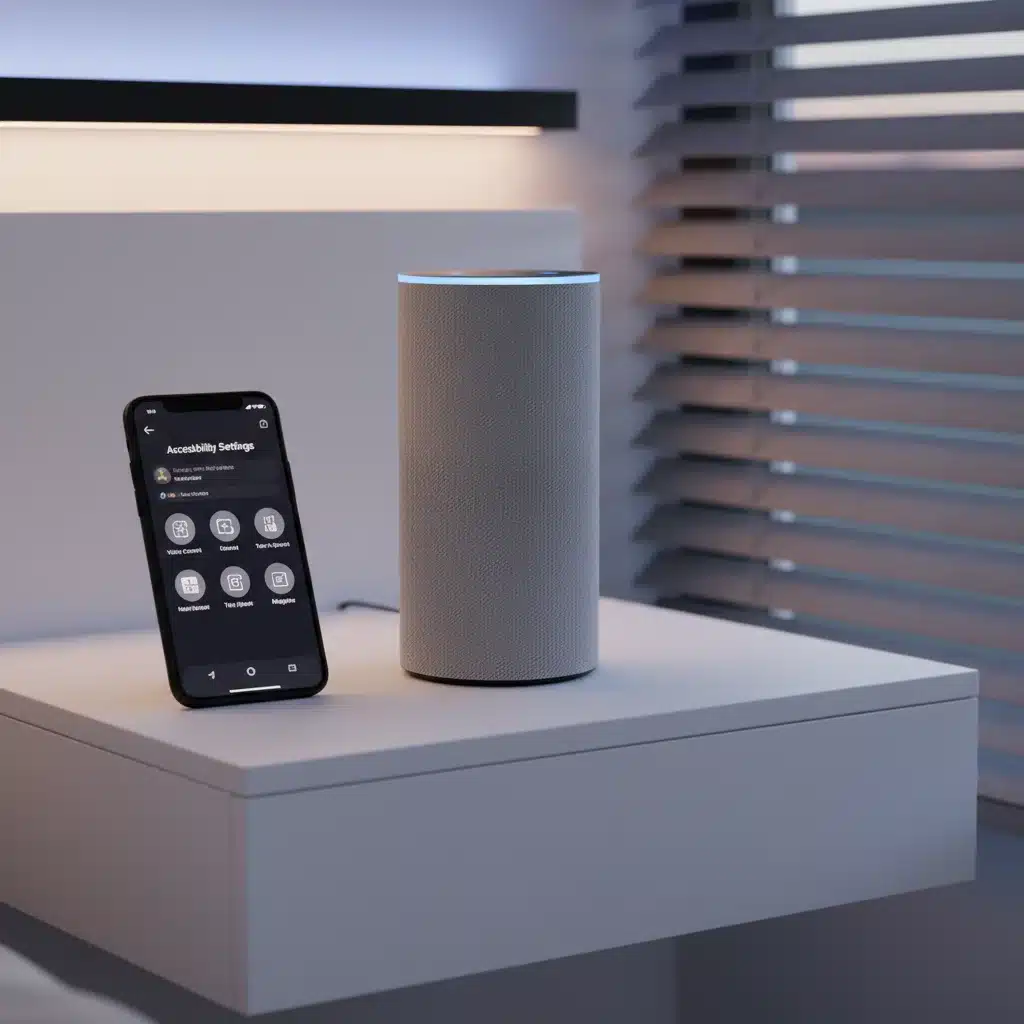
Voice assistants like Amazon Alexa, Google Assistant, and Apple Siri are no longer novelty items; they are essential tools for Smart Home Accessibility. By 2026, these systems have evolved significantly. Natural Language Processing (NLP) has advanced to a point where conversations feel more fluid and less robotic. Users can issue complex, multi-step commands, ask follow-up questions, and even express preferences in a more natural way. For individuals with limited dexterity or visual impairments, voice control is a game-changer, allowing them to control lighting, thermostats, entertainment systems, door locks, and even kitchen appliances with spoken words.
Furthermore, customized voice profiles ensure that the system recognizes and responds to specific users, enhancing security and personalization. Imagine a scenario where an elderly individual can simply say, "Good morning, turn on the lights, open the blinds, and play my news podcast," and the home responds instantly and seamlessly. This level of intuitive control is at the heart of modern Smart Home Accessibility.
2. Advanced Environmental Controls: Climate, Lighting, and Air Quality
Controlling one’s immediate environment is fundamental to comfort and well-being. Smart thermostats have been around for a while, but by 2026, they are smarter and more integrated. They learn individual temperature preferences, adjust based on occupancy, and can even anticipate weather changes to optimize energy consumption and comfort. For someone sensitive to temperature fluctuations or with difficulty adjusting physical controls, this automation is invaluable.
Smart lighting systems offer dynamic control over brightness, color temperature, and scheduling. This can be crucial for individuals with visual impairments, allowing them to adjust lighting to their specific needs throughout the day. Circadian rhythm lighting, which mimics natural light cycles, can also improve sleep patterns and overall health. Beyond basic lighting, smart window blinds and curtains can be automated to open and close, managing natural light and privacy with a simple voice command or scheduled routine.
Air quality monitors, integrated with smart ventilation systems, ensure a healthy indoor environment by detecting allergens, pollutants, and CO2 levels, automatically activating purifiers or adjusting airflow. This is particularly beneficial for individuals with respiratory conditions or allergies, contributing significantly to their quality of life within their smart home.
3. Smart Security and Entry Systems: Safety and Peace of Mind
Security is a paramount concern for all homeowners, and for those with accessibility needs, it takes on an even greater importance. Smart Home Accessibility in 2026 incorporates robust and user-friendly security solutions. Smart door locks, controllable via voice, smartphone apps, or even biometric scanners (fingerprint, facial recognition), eliminate the need for physical keys, which can be challenging for individuals with limited hand mobility.
Video doorbells with two-way audio allow residents to see and communicate with visitors without having to open the door, enhancing both security and convenience. For individuals who are homebound or have difficulty moving quickly, this feature is transformative. Integrated security cameras with AI-powered analytics can differentiate between pets and intruders, reducing false alarms and providing intelligent alerts.
Furthermore, emergency response systems are becoming more sophisticated. Wearable devices can automatically detect falls and alert emergency contacts or services. Voice-activated panic buttons and direct lines to emergency services are seamlessly integrated into the smart home ecosystem, offering an extra layer of protection and peace of mind for residents and their families.
Robotics and AI: The Next Frontier in Accessible Living
4. Assistive Robotics for Daily Tasks
While still an emerging field, assistive robotics is poised to make a significant impact on Smart Home Accessibility. By 2026, we are seeing more sophisticated robotic vacuum cleaners and mops that can navigate complex floor plans and empty themselves. Beyond cleaning, more advanced prototypes and early-stage commercial products include robotic arms that can assist with fetching objects, opening doors, or even helping with personal care tasks, under direct supervision or with advanced safety protocols.
These robots are often controlled via voice or intuitive interfaces, making them accessible to a wide range of users. Their ability to perform repetitive or physically demanding tasks can greatly reduce the burden on individuals with mobility limitations and their caregivers, fostering greater independence within the home environment.
5. Predictive Analytics and Health Monitoring
The integration of AI and machine learning into smart home systems allows for predictive analytics, which can anticipate needs and prevent potential issues. For example, sensors embedded in flooring or furniture can monitor gait patterns or sitting durations, detecting subtle changes that might indicate a health decline or increased fall risk. AI algorithms can analyze these patterns and alert caregivers or medical professionals proactively.
Biometric sensors, integrated into everyday objects like smart mirrors or sleep trackers, can monitor vital signs, sleep quality, and activity levels, providing a holistic view of an individual’s health. This data, when securely shared with healthcare providers (with explicit consent), can enable personalized care plans and timely interventions, making the smart home a proactive health partner.
Designing for Inclusivity: The Role of Universal Design in Smart Homes
6. Adaptive Interfaces and Multi-Modal Interaction
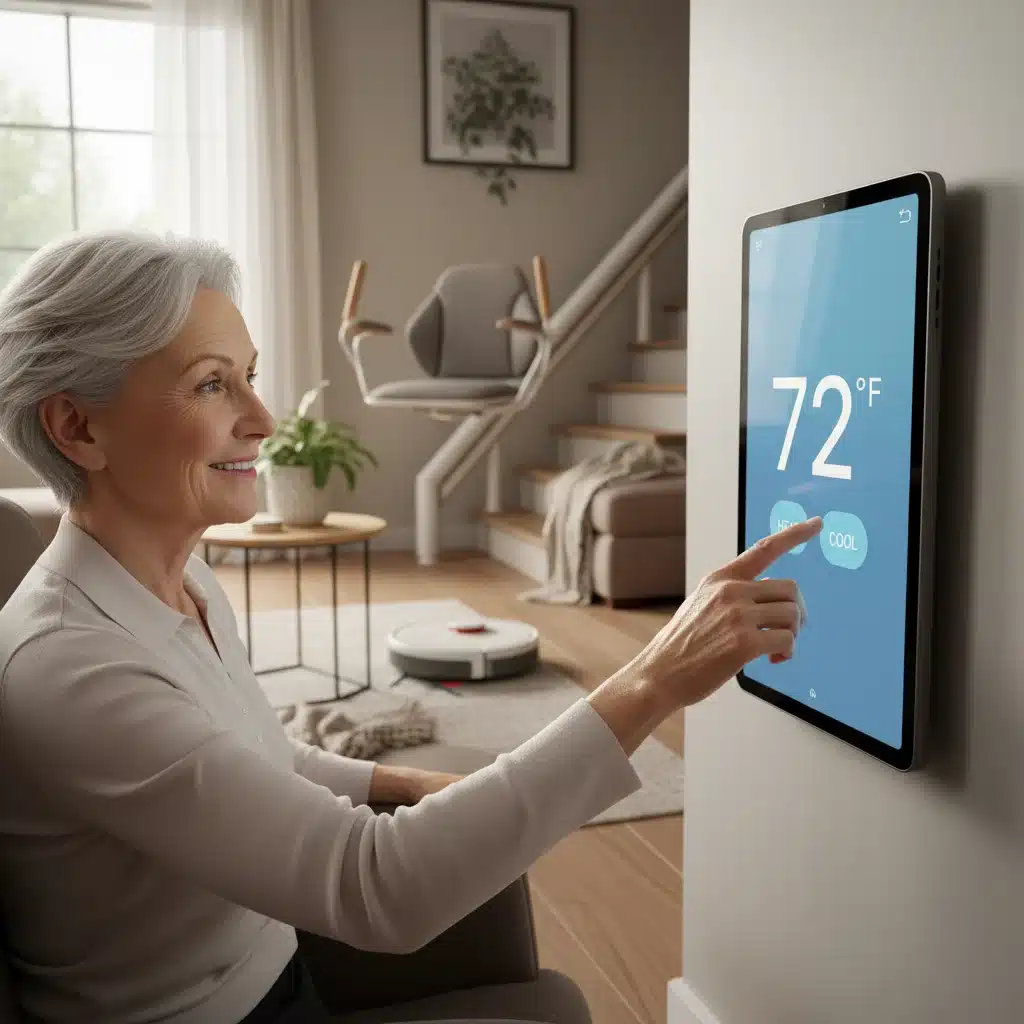
A truly accessible smart home offers multiple ways to interact with its systems. While voice control is powerful, it may not be suitable for everyone in every situation. Adaptive interfaces are crucial. This includes large, high-contrast touchscreens with customizable button sizes for individuals with visual impairments or limited dexterity. Haptic feedback can provide tactile confirmation of commands for those who are deaf or hard of hearing.
Gaze-tracking technology, where users control devices with their eye movements, is becoming more refined, offering a hands-free alternative for individuals with severe motor impairments. The principle of universal design dictates that products and environments should be usable by all people, to the greatest extent possible, without the need for adaptation or specialized design. This philosophy is deeply embedded in the development of new Smart Home Accessibility technologies.
7. Integrated Appliances and Kitchen Accessibility
The kitchen, often considered the heart of the home, can present significant challenges for individuals with accessibility needs. Smart Home Accessibility is transforming this space with integrated smart appliances. Ovens that can be controlled remotely, induction cooktops with automatic shut-off features, and refrigerators that track inventory and suggest recipes are becoming commonplace.
Beyond smart appliances, the design of the kitchen itself is evolving. Automated height-adjustable countertops and sinks, voice-activated pantry systems, and touchless faucets are making meal preparation and cleaning more manageable. Even small innovations, like smart scales that can read out measurements for individuals with visual impairments, contribute to a more inclusive and functional kitchen environment.
Challenges and the Path Forward for Smart Home Accessibility
Data Privacy and Security Concerns
While the benefits of Smart Home Accessibility are immense, they come with important considerations, particularly regarding data privacy and security. Smart homes collect vast amounts of personal data, from daily routines to health metrics. Ensuring this data is protected from breaches and used ethically is paramount. Industry standards and regulatory frameworks are continually evolving to address these concerns, and users are becoming more aware of the importance of choosing reputable brands with strong privacy policies.
Cost and Affordability
Another challenge is the initial cost of implementing a comprehensive smart home system. While individual devices are becoming more affordable, a fully integrated accessible home can still represent a significant investment. However, as technology matures and adoption increases, prices are expected to drop. Government incentives, insurance coverage, and financing options for home modifications are also playing a role in making these technologies more accessible to a wider population.
Interoperability and Standardization
The smart home market is still somewhat fragmented, with various manufacturers using different communication protocols. This can lead to compatibility issues and a less seamless user experience. The push for greater interoperability and open standards (such as Matter) is crucial for the widespread adoption of Smart Home Accessibility solutions. A unified ecosystem will allow devices from different brands to communicate effortlessly, creating a truly integrated and user-friendly home.
Digital Literacy and Training
For many, particularly older adults, adapting to new technologies can be daunting. Providing adequate training and support is essential to ensure that everyone can fully benefit from Smart Home Accessibility features. Simplified interfaces, intuitive setup processes, and readily available technical assistance will be key to bridging the digital divide and maximizing the potential of these innovations.
The Future is Now: Real-World Impact and Success Stories
The impact of Smart Home Accessibility is already being felt across the US. Consider the story of Sarah, a veteran with limited mobility who can now independently control her home’s lighting, thermostat, and entertainment system using only her voice. Or John, an elderly gentleman with early-stage dementia, whose smart home reminds him to take medication, locks the doors at night, and alerts his daughter if he deviates from his usual routine, allowing him to live safely and independently in his own home for longer.
These are not futuristic concepts; they are realities in 2026. The advancements in AI, sensor technology, and robotics are not just about convenience; they are about restoring dignity, enhancing safety, and fostering independence for individuals who might otherwise face significant barriers in their daily lives. The continuous development of more intuitive, affordable, and integrated solutions promises an even brighter future for inclusive living.
Conclusion: A Smarter, More Accessible Tomorrow
The journey towards truly universal Smart Home Accessibility is ongoing, but the progress made by 2026 is nothing short of revolutionary. New technologies are not just making homes smarter; they are making them kinder, more understanding, and more capable of adapting to the diverse needs of their inhabitants. From advanced voice control and personalized automation to assistive robotics and proactive health monitoring, the tools are in place to create living environments that empower, protect, and enhance the quality of life for everyone.
As researchers, developers, policymakers, and consumers continue to collaborate, the vision of a fully accessible smart home will move from aspiration to standard. The future of US homes in 2026 and beyond is one where technology serves humanity, creating spaces where independence thrives, and accessibility is not an afterthought, but an inherent design principle.