Ventilation Systems 2026: Innovations for Enhanced Air Quality & Energy Efficiency
The air we breathe indoors profoundly impacts our health, comfort, and productivity. As we move towards 2026, the landscape of ventilation systems innovation is undergoing a revolutionary transformation. No longer just about moving air, modern ventilation is evolving into a sophisticated ecosystem designed to deliver unparalleled indoor air quality (IAQ) while drastically reducing energy consumption. This comprehensive article delves into the cutting-edge advancements and emerging trends that will define ventilation in the coming years, promising not only healthier environments but also significant energy savings, potentially up to 12% or more.
The imperative for superior indoor air quality has never been more evident. Global health crises, coupled with increasing awareness of pollutants like VOCs, particulate matter, and allergens, have placed IAQ at the forefront of building design and operation. Simultaneously, the urgent need to combat climate change and reduce operational costs is driving a relentless pursuit of energy-efficient solutions. These twin drivers are converging to accelerate ventilation systems innovation, pushing boundaries in technology, design, and integration.
The Evolution of Ventilation: Beyond Basic Air Exchange
For decades, ventilation primarily focused on diluting indoor pollutants by introducing outdoor air. While foundational, this approach often came with significant energy penalties, especially in extreme climates where heating or cooling outdoor air was required. The next generation of ventilation systems innovation moves beyond simple air exchange, embracing a holistic view that integrates smart controls, advanced filtration, energy recovery, and predictive analytics.
This paradigm shift is critical for several reasons. Firstly, urban environments often have outdoor air quality issues, making simple dilution less effective or even counterproductive. Secondly, the drive for net-zero and energy-efficient buildings demands solutions that minimize energy waste. Thirdly, occupants expect personalized comfort and a consistently healthy indoor environment. Addressing these challenges requires a multifaceted approach, and the innovations emerging in ventilation systems are poised to deliver.
Key Pillars of Ventilation Systems Innovation by 2026
1. Smart & AI-Powered Ventilation Controls
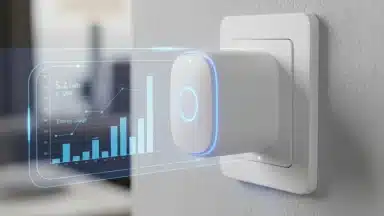
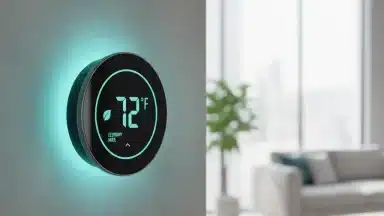
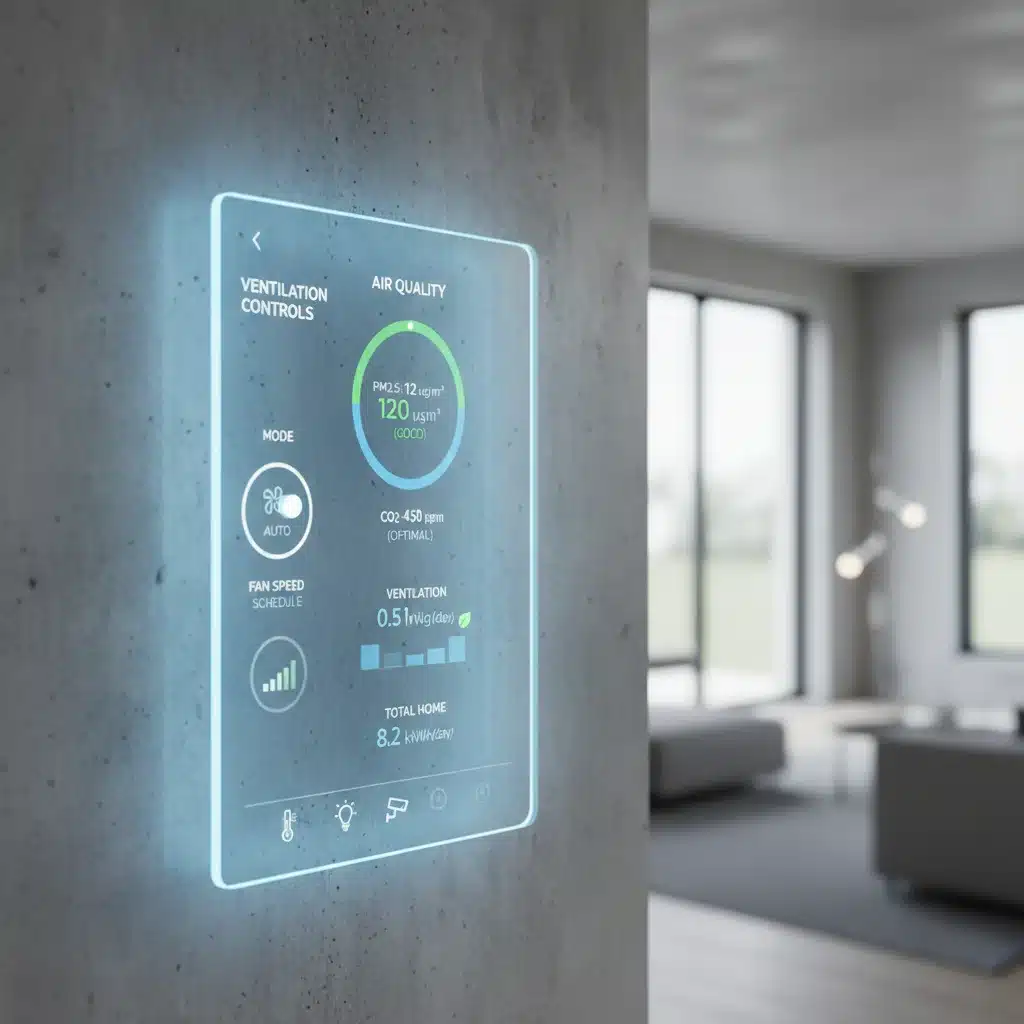
At the heart of modern ventilation systems innovation lies intelligence. Traditional systems operate on fixed schedules or simple occupancy sensors. The future, however, is dynamic and responsive. AI and machine learning are transforming how ventilation systems operate, moving them from reactive to proactive.
- Predictive Analytics: AI algorithms can analyze historical data, weather forecasts, occupancy patterns, and even local air quality reports to predict ventilation needs. This allows systems to optimize airflow and filtration proactively, ensuring optimal IAQ without over-ventilation. For instance, if a high pollen count is predicted, the system can increase filtration efficiency or adjust outdoor air intake accordingly.
- Occupancy-Based & Demand-Controlled Ventilation (DCV) Refined: While DCV has been around, AI is taking it to the next level. Advanced sensors (CO2, VOCs, particulate matter, even thermal imaging for precise occupancy counting) feed data to AI models that fine-tune ventilation rates in real-time. This ensures that air is only conditioned and moved where and when it’s needed, leading to substantial energy savings.
- Self-Learning Systems: Future ventilation systems will learn from their environment and occupants. They can identify inefficiencies, predict maintenance needs, and even suggest optimal operating parameters to facility managers, further enhancing performance and extending equipment lifespan.
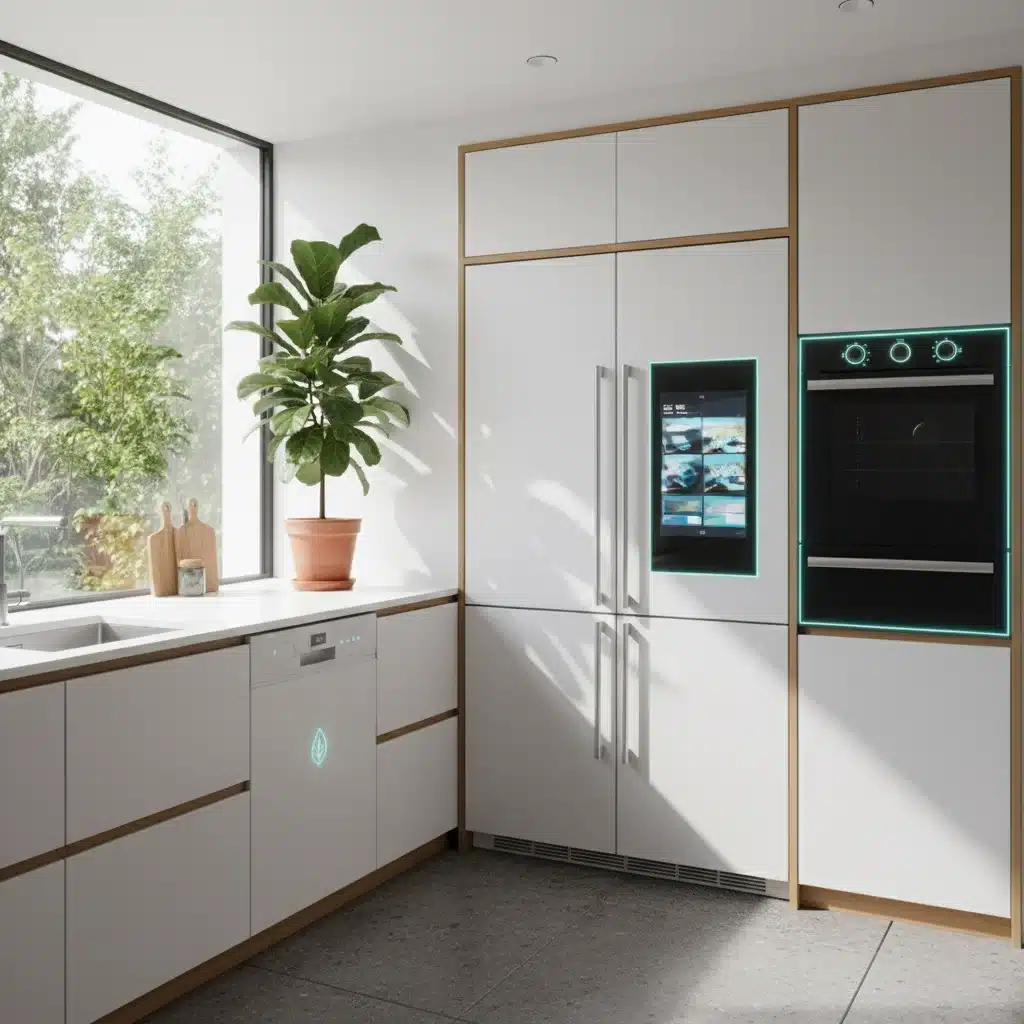
- Integration with Building Management Systems (BMS) & IoT: Seamless integration with broader BMS platforms and other Internet of Things (IoT) devices (e.g., smart thermostats, lighting systems) allows for a unified approach to building environmental control. This synergy maximizes efficiency and occupant comfort across all building systems.
2. Advanced Filtration Technologies
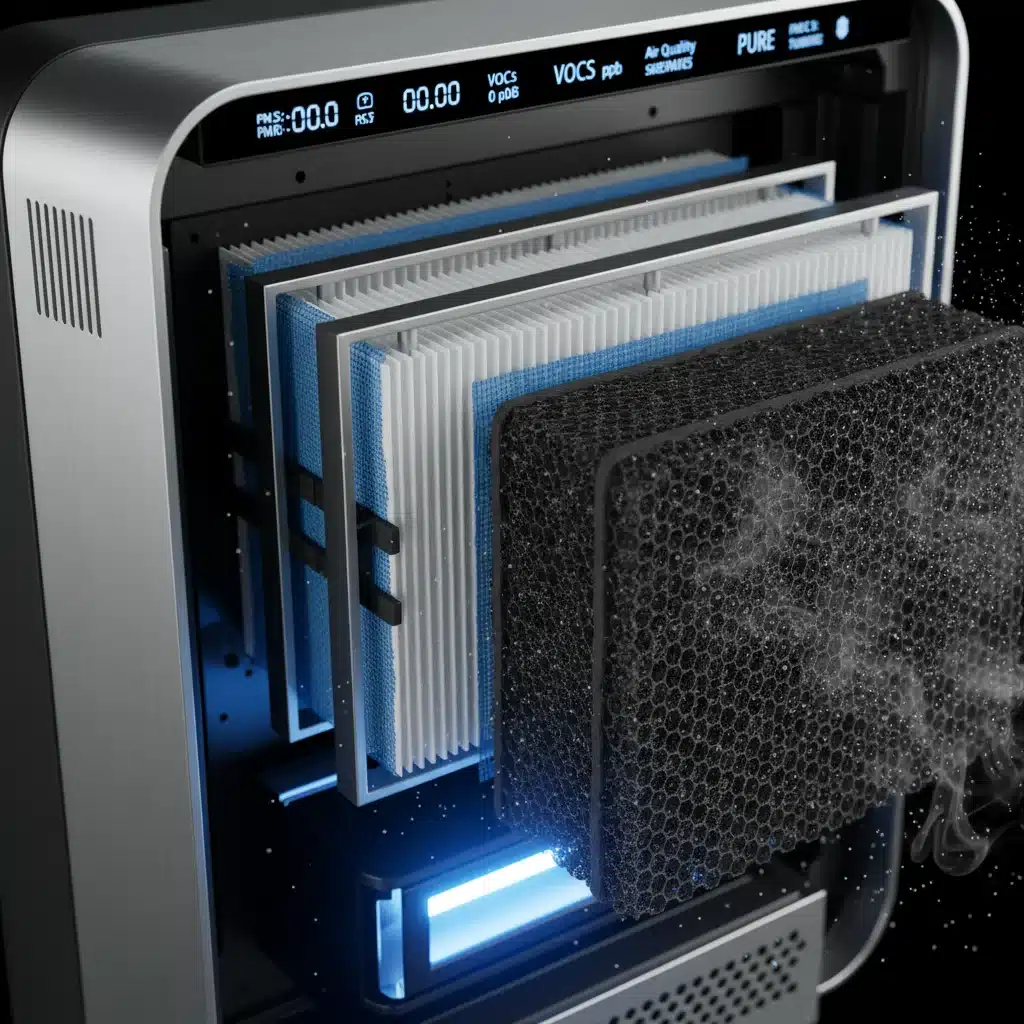
The quality of air delivered by ventilation systems is directly tied to its filtration capabilities. By 2026, we’ll see significant advancements in air filtration, moving beyond standard MERV ratings to address a wider spectrum of indoor pollutants.
- Ultrafine Particle & VOC Removal: While HEPA filters are effective for particulate matter, addressing ultrafine particles (PM2.5 and below) and volatile organic compounds (VOCs) requires specialized solutions. Innovations include enhanced activated carbon filters, photocatalytic oxidation (PCO), and even electrostatic precipitation tailored for residential and commercial applications. These technologies work in concert to neutralize or remove a broader range of airborne contaminants.
- Antimicrobial & Antiviral Filters: The demand for healthier indoor spaces is driving the development of filters with antimicrobial and antiviral properties. These filters may incorporate silver ions, UV-C light irradiation, or specialized coatings to actively neutralize pathogens as air passes through the system, adding an extra layer of protection.
- Self-Cleaning & Smart Filters: Imagine filters that can clean themselves or automatically signal when they need replacement based on real-time pressure drop and air quality data. This reduces maintenance burdens, ensures consistent performance, and prevents the energy penalties associated with clogged filters.
- Modular & Customizable Filtration: Future systems will offer greater flexibility, allowing building operators to easily swap out or add filtration modules based on specific IAQ challenges or seasonal needs, ensuring highly adaptable indoor environments.
3. High-Efficiency Energy Recovery Ventilation (ERV/HRV)
Energy recovery ventilation (ERV) and heat recovery ventilation (HRV) systems are crucial for maintaining IAQ while minimizing energy loss. These technologies transfer heat and, in the case of ERVs, moisture between outgoing stale air and incoming fresh air. By 2026, these systems will become even more efficient and integrated.
- Improved Core Materials: Research into new materials for ERV/HRV cores is leading to higher heat and moisture transfer efficiencies. This means less energy is needed to condition the incoming fresh air, directly contributing to the 12% energy savings goal.
- Smart Bypass & Control: Advanced controls will allow ERV/HRV units to intelligently bypass the energy recovery core when outdoor conditions are favorable (e.g., mild weather), maximizing free cooling or heating opportunities and further optimizing energy use.
- Compact & Distributed Systems: The trend towards more compact and modular ERV/HRV units will facilitate their integration into a wider range of buildings, including retrofits where space is a premium. Distributed systems can also offer more localized control and efficiency.
- Integration with Geothermal & Other Renewables: Pairing ERV/HRV with geothermal heat pumps or solar thermal systems creates a highly synergistic and ultra-efficient HVAC ecosystem, leveraging renewable energy sources for even greater sustainability.
4. Advanced Air Distribution & Zoning
Efficiently conditioning air is only half the battle; distributing it effectively and precisely is equally important. Innovations in air distribution are focusing on minimizing drafts, reducing noise, and delivering conditioned air exactly where it’s needed.
- Personalized & Zoned Ventilation: Moving beyond whole-building ventilation, future systems will offer granular control, allowing occupants to customize airflow and temperature in their specific zones or even at their workstations. This can be achieved through smart diffusers, personalized air delivery devices, and advanced zoning controls.
- Underfloor Air Distribution (UFAD) Enhancements: UFAD systems, which deliver conditioned air from below, are becoming more sophisticated with improved plenum design, smart diffusers, and better integration with overall building controls, offering superior thermal comfort and IAQ at occupant level.
- Ventilation for Specific Needs: Specialized ventilation solutions are emerging for areas with unique requirements, such as laboratories, healthcare facilities, or even specific residential rooms (e.g., bathrooms with smart humidity control and enhanced exhaust).
- Acoustic Optimization: As systems become more powerful, reducing noise associated with airflow and fan operation is critical. Innovations in fan design, ductwork insulation, and active noise cancellation technologies are making ventilation systems quieter and less intrusive.
5. Sustainable Materials & Manufacturing
The entire lifecycle of ventilation systems, from manufacturing to disposal, is coming under scrutiny. Sustainability is a core driver of ventilation systems innovation.
- Recyclable & Low-Impact Materials: Manufacturers are increasingly using recycled content and materials that are easily recyclable at the end of a system’s life. This reduces the environmental footprint of production and waste.
- Modular Design for Longevity & Repairability: Systems are being designed with modular components that can be easily replaced or upgraded, extending product lifespan and reducing the need for complete system overhauls. This also simplifies maintenance and reduces waste.
- Reduced Embodied Carbon: Efforts are being made to minimize the embodied carbon of ventilation equipment, from material sourcing to manufacturing processes, aligning with broader sustainable building goals.
- Energy-Efficient Manufacturing: The manufacturing processes themselves are becoming more energy-efficient, utilizing renewable energy sources and waste reduction techniques.
The Impact: Improved Air Quality and Energy Use by 12%
The convergence of these innovations is not merely theoretical; it promises tangible benefits, most notably a significant improvement in indoor air quality and a measurable reduction in energy consumption. The target of 12% energy savings is not an arbitrary figure but an achievable goal through the synergistic application of these advanced technologies.
- Precision Ventilation: By only ventilating when and where needed, and at the optimal rate, energy waste associated with over-ventilation is drastically cut. AI-powered DCV systems can fine-tune airflow to occupant density, saving considerable energy compared to constant volume systems.
- Enhanced Energy Recovery: More efficient ERV/HRV cores, coupled with smart bypass controls, ensure that a greater percentage of thermal energy is recovered from exhaust air, reducing the load on heating and cooling systems.
- Optimized Filtration: While advanced filtration can sometimes add a slight pressure drop (and thus energy consumption), smart controls ensure filters are only used at the required efficiency levels. Furthermore, self-cleaning filters and timely replacements prevent excessive pressure drop from clogged filters, which is a major energy drain.
- Reduced Fan Energy: Innovations in fan motor technology (e.g., ECM motors), duct design, and smart pressure optimization algorithms significantly reduce the energy required to move air throughout a building.
- Holistic System Integration: When ventilation systems communicate and coordinate with other building systems (heating, cooling, lighting), the entire building operates as a single, optimized entity, leading to cumulative energy savings that can easily exceed 12%.
Beyond energy, the impact on IAQ is profound. Reduced levels of CO2, VOCs, particulate matter, and biological contaminants translate directly into healthier occupants. This means fewer instances of Sick Building Syndrome, improved cognitive function, reduced allergy symptoms, and overall enhanced well-being. For commercial buildings, this can lead to increased productivity, reduced absenteeism, and higher tenant satisfaction.
Challenges and Future Outlook for Ventilation Systems Innovation
While the future of ventilation systems innovation is bright, several challenges remain. The initial cost of implementing advanced systems can be higher than traditional ones, though the long-term operational savings often justify the investment. Integration complexities between disparate building systems can also be a hurdle, requiring skilled professionals for design, installation, and commissioning. Furthermore, educating building owners and occupants about the benefits and operation of these sophisticated systems is crucial for widespread adoption.
Looking ahead, we can anticipate even further advancements:
- Bio-Integrated Systems: Imagine ventilation systems that integrate with living walls or other biophilic elements to naturally filter and purify air, further blurring the lines between nature and technology.
- Personalized Air Environments: Truly personalized air delivery at an individual level, where each occupant can fine-tune their immediate environment without impacting others.
- Advanced Sensing Networks: Denser and more diverse sensor networks, potentially including portable or wearable sensors, providing hyper-localized IAQ data.
- Blockchain for IAQ Data: Secure and transparent sharing of IAQ data using blockchain technology to ensure data integrity and build trust.
- Adaptive Building Envelopes: Ventilation systems could integrate even more seamlessly with dynamic building envelopes that actively respond to environmental conditions, such as smart windows that open or close based on IAQ and weather.
Conclusion: A Breath of Fresh Air for Buildings
The journey towards 2026 marks a pivotal period for ventilation systems innovation. The convergence of smart technology, advanced filtration, and energy recovery is not just an incremental improvement but a fundamental reimagining of how we manage indoor air. These innovations promise to deliver environments that are not only significantly healthier and more comfortable for occupants but also dramatically more energy-efficient, contributing to vital sustainability goals. The goal of improving air quality and reducing energy use by 12% is well within reach, paving the way for a future where every breath indoors is a breath of fresh, clean, and efficiently delivered air. Embracing these advancements is no longer an option but a necessity for creating resilient, sustainable, and human-centric buildings of tomorrow.