
Smart Sensor Networks: The Foundation of Future Home Automation in 2026
Welcome to the future of living. As we step into 2026, the concept of a ‘smart home’ has evolved far beyond simple voice assistants and automated lighting. Today, it’s about a deeply integrated ecosystem, a sentient dwelling that anticipates your needs, protects your loved ones, and optimizes your resources with unparalleled efficiency. At the core of this evolution are smart sensor networks, particularly the sophisticated deployment of motion and contact sensors. These unsung heroes work in concert to create a comprehensive, responsive, and truly intelligent home environment. This article will delve into how these advanced networks are shaping home automation, offering insights into their technology, applications, and the transformative impact they have on modern living.
The promise of home automation has always been convenience and control. However, for many years, the execution often felt disjointed, requiring multiple apps and complex configurations. Fast forward to 2026, and the landscape is dramatically different. Thanks to robust smart sensor networks, your home is no longer just a collection of smart devices; it’s an intelligent entity capable of understanding and reacting to its inhabitants and the external environment. We’ll explore the intricate dance between motion and contact sensors, examining how they provide the critical data necessary for a truly automated existence.
The Evolution of Smart Sensor Networks: Beyond Basic Detection
The journey of smart sensors began with rudimentary detectors, primarily for security purposes. Early motion sensors were often prone to false alarms, while contact sensors simply indicated an open or closed state. While effective in their basic function, they lacked the intelligence and interconnectedness required for genuine home automation. Today, smart sensor networks are a far cry from their predecessors. They are sophisticated, interconnected systems that leverage advancements in artificial intelligence (AI), machine learning (ML), and edge computing to offer granular insights and proactive responses.
In 2026, motion sensors don’t just detect movement; they can differentiate between humans, pets, and even identify specific individuals through integrated facial recognition or gait analysis (with appropriate privacy safeguards and user consent, of course). Similarly, contact sensors have evolved beyond simple open/closed alerts. They can now monitor vibration patterns, detect glass breakage, and even assess the integrity of a seal, providing a holistic view of your home’s perimeter. This enhanced capability allows for a level of personalized automation and security that was once the stuff of science fiction.
The true power of smart sensor networks lies in their ability to communicate seamlessly. Utilizing protocols like Zigbee, Z-Wave, Thread, and Wi-Fi 6E, these sensors form a mesh network, ensuring reliable data transmission and extended range. This interconnectedness means that a single event – a door opening, for instance – can trigger a cascade of automated actions across your entire smart home ecosystem, from adjusting lighting and temperature to sending security alerts and activating surveillance cameras.
Motion Sensors: The Eyes of Your Smart Home
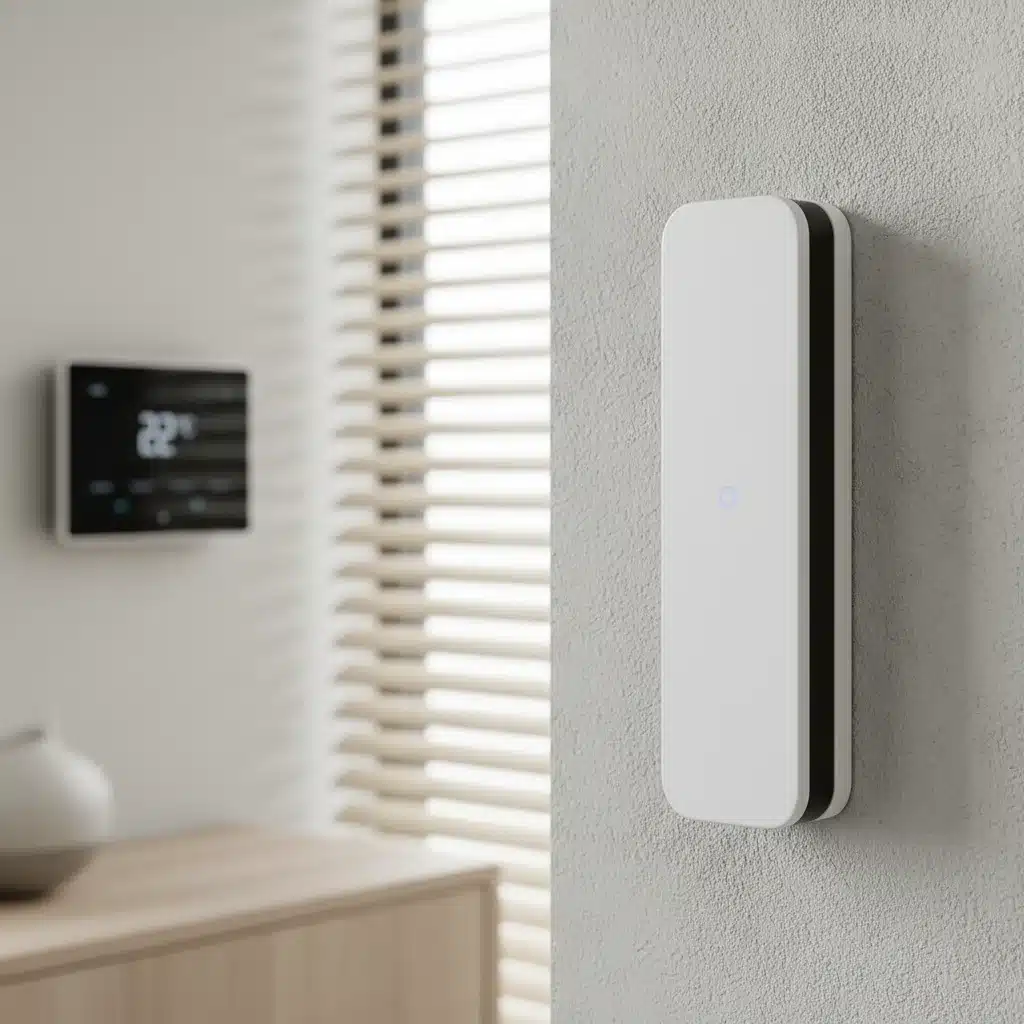
Motion sensors are the vigilant eyes of your smart sensor networks. Their primary function is to detect movement within a specified area, but their applications in 2026 extend far beyond simple security. Modern motion sensors utilize various technologies, including Passive Infrared (PIR), microwave, and ultrasonic, often combined for enhanced accuracy and reduced false positives. Some advanced models even incorporate radar technology for precise tracking and presence detection, allowing for more nuanced automation.
Enhanced Security and Surveillance
For security, motion sensors are indispensable. When integrated into a smart sensor network, they can trigger alarms, activate floodlights, and initiate video recording upon detecting unauthorized entry. Advanced AI algorithms now allow these sensors to differentiate between genuine threats and benign movements, significantly reducing false alarms. Imagine a scenario where a motion sensor detects an unusual presence in your backyard after midnight. Instead of a generic alarm, your system can identify it as a human, activate specific outdoor lights, and send a live feed to your smartphone, providing critical information before you even call for help.
Automated Lighting and Energy Efficiency
Beyond security, motion sensors are pivotal for energy management. They ensure that lights are only on when a room is occupied, saving significant electricity. In 2026, this is not just about convenience; it’s about intelligent energy optimization. For example, a motion sensor in a hallway can activate a low-level light path when you get up at night, guiding you without fully illuminating the house. In commercial settings or larger homes, these sensors can dynamically adjust HVAC systems, ensuring climate control only in occupied zones, leading to substantial energy savings and a reduced carbon footprint.
Convenience and Accessibility
The convenience offered by motion sensors within a smart sensor network is immense. Imagine walking into a room, and the lights automatically adjust to your preferred brightness, your favorite music starts playing, and the blinds open to let in natural light. For individuals with mobility challenges, motion-activated systems can be life-changing, providing hands-free control over various aspects of their environment. This seamless integration makes daily life smoother and more enjoyable for everyone.
Contact Sensors: The Sentinels of Your Home’s Perimeter
While motion sensors monitor interior spaces, contact sensors act as the vigilant sentinels of your home’s perimeter. These small, often inconspicuous devices are crucial components of any comprehensive smart sensor network, providing real-time status updates on doors, windows, cabinets, and even safes. Their evolution in 2026 has made them more versatile and intelligent than ever before.
Robust Security and Intrusion Detection
The primary role of contact sensors remains security. By detecting when a door or window is opened, they provide an immediate alert to potential intrusions. In 2026, these sensors are often equipped with advanced features like tamper detection, accelerometer-based vibration analysis to detect forced entry attempts, and even magnetic field monitoring for enhanced security. If a contact sensor on your front door detects that it has been forced open, the smart sensor network can instantly trigger an alarm, notify emergency services, and activate all internal and external cameras, providing a multi-layered defense.
Climate Control and Energy Conservation
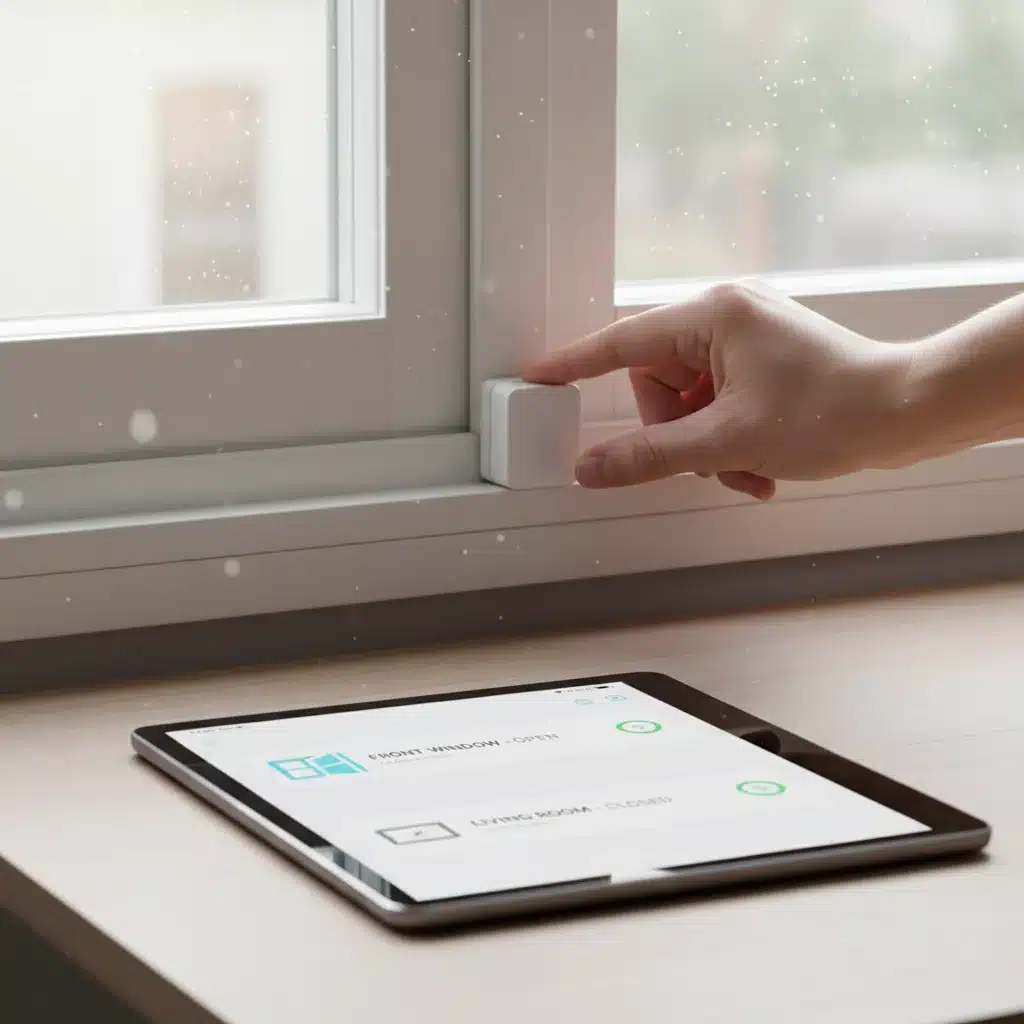
Contact sensors play a surprising yet significant role in energy efficiency. Imagine leaving a window open while your air conditioning is running. A smart contact sensor can detect this and automatically pause your HVAC system, preventing energy waste. This intelligent integration within the smart sensor network ensures that your home’s climate control operates optimally, reducing utility bills and environmental impact. Similarly, they can be used to remind you to close garage doors or shed doors, preventing heat loss or security vulnerabilities.
Child and Pet Safety
For families with young children or inquisitive pets, contact sensors offer an invaluable layer of safety. Placed on medicine cabinets, cleaning supply cupboards, or exterior gates, they can alert parents if these areas are accessed. This proactive monitoring within the smart sensor network provides peace of mind, allowing parents to respond quickly to potential hazards. Similarly, if a pet tries to escape through a slightly ajar window, a contact sensor can alert you, preventing them from wandering off.
The Synergy: How Motion and Contact Sensors Create Comprehensive Smart Sensor Networks
The true genius of modern home automation isn’t in individual sensors, but in how they collaborate to form intelligent smart sensor networks. Motion and contact sensors, when integrated, create a powerful, dynamic system that understands your home’s state and responds appropriately. This synergistic relationship is what elevates a smart home from a collection of gadgets to a truly intelligent living space.
Advanced Security Scenarios
Consider a typical security scenario. A contact sensor on a back door detects an unauthorized opening. Immediately, motion sensors in the vicinity are put on high alert, and if movement is detected, the system escalates the response: blaring alarms, flashing lights, and direct communication with a security monitoring service. This layered approach, orchestrated by the smart sensor network, minimizes false alarms while maximizing the effectiveness of intrusion detection. The system can even use motion data to track the intruder’s path through the house, providing crucial information to law enforcement.
Intelligent Energy Management
For energy efficiency, the combination is equally potent. A contact sensor detects a window being opened. Simultaneously, a motion sensor confirms that the room is empty. The smart sensor network then intelligently decides to pause the HVAC system for that zone, only resuming when the window is closed and presence is detected again. This level of granular control over energy consumption is a hallmark of 2026 smart homes, leading to significant cost savings and environmental benefits. Furthermore, if a room’s occupancy is detected by a motion sensor, but a contact sensor indicates a door is ajar, the system can send a notification to close it, maintaining optimal thermal conditions.
Seamless Automation and Lifestyle Enhancement
The most exciting aspect of integrated smart sensor networks is the seamless automation they enable, enhancing daily life. Imagine arriving home: a motion sensor detects your approach, and as the contact sensor confirms your front door unlocking, the entryway lights turn on, the thermostat adjusts to your preferred temperature, and your smart speaker welcomes you home with a personalized playlist. As you move through the house, motion sensors in each room trigger appropriate lighting and climate settings, following your presence without any manual input.
Similarly, when you leave, a simple command or the detection of your absence via motion sensors can trigger a ‘leaving home’ scene, locking all doors, arming the security system, turning off unnecessary lights, and setting the thermostat to an energy-saving mode. This proactive and intuitive behavior, driven by comprehensive smart sensor networks, transforms your home into a truly responsive partner.
Key Technologies Powering Smart Sensor Networks in 2026
The sophistication of smart sensor networks in 2026 is built upon several foundational technologies that have matured significantly. Understanding these components is crucial to appreciating the capabilities of modern home automation.
Artificial Intelligence and Machine Learning (AI/ML)
AI and ML are the brains behind the brawn of smart sensors. They enable sensors to learn patterns, differentiate between events, and make intelligent decisions. For example, an AI-powered motion sensor can learn your family’s routines, distinguishing between a child playing and an unexpected intruder. ML algorithms continuously refine these detections, improving accuracy over time and reducing false positives. This intelligence allows the smart sensor network to evolve and adapt to your unique lifestyle.
Edge Computing
Processing data locally, at the ‘edge’ of the network (i.e., on the sensors themselves or a local hub), is critical for speed, privacy, and reliability. Instead of sending all raw sensor data to the cloud for analysis, edge computing allows for immediate processing of critical events. This means faster response times for security alerts and automation triggers. It also enhances privacy, as sensitive data can be processed and then discarded locally, rather than being transmitted to external servers. This distributed intelligence makes smart sensor networks more robust and less reliant on constant internet connectivity.
Advanced Communication Protocols
The backbone of any effective smart sensor network is its communication protocol. In 2026, we see a convergence and optimization of various standards. Zigbee and Z-Wave continue to be popular for their low power consumption and mesh networking capabilities, ideal for battery-operated sensors. Thread, a relatively newer IP-based protocol, is gaining traction due to its robust security features and seamless integration with existing Wi-Fi networks. Wi-Fi 6E offers higher bandwidth and lower latency, suitable for cameras and high-data-rate devices within the network. The ability of these different protocols to interoperate, often through a central smart home hub, is what creates a truly unified smart sensor network.
Designing and Deploying Your Smart Sensor Network
Implementing an effective smart sensor network requires careful planning. It’s not just about buying a few sensors; it’s about strategically placing them and configuring them to work cohesively. Here’s a brief guide to help you get started:
Assess Your Needs
Before purchasing any devices, identify your primary goals. Are you focused on security, energy savings, convenience, or a combination? Understanding your priorities will guide your sensor selection and placement. A comprehensive smart sensor network will address all these aspects, but you might prioritize certain areas.
Choose a Compatible Ecosystem
The smart home market can be fragmented. Opt for a platform (e.g., Apple HomeKit, Google Home, Amazon Alexa, Samsung SmartThings) that supports a wide range of devices and offers good integration. Ensure your chosen motion and contact sensors are compatible with your central hub and each other to build a truly integrated smart sensor network.
Strategic Placement of Motion Sensors
- Entryways and Hallways: Essential for detecting movement upon entry or egress, and for automating lighting paths.
- High-Traffic Areas: Living rooms, kitchens, and common areas benefit from motion detection for lighting and climate control.
- Vulnerable Zones: Basements, garages, and areas with valuable items can have motion sensors for enhanced security.
- Avoid Direct Heat Sources: Place away from vents, radiators, and direct sunlight to prevent false triggers.
Optimal Placement of Contact Sensors
- All Entry Points: Every exterior door and window should have a contact sensor.
- Interior Doors: For specific zones, like a home office or a child’s room, to monitor access.
- Cabinetry and Safes: For securing valuable items or dangerous substances.
- Garage Doors: To ensure they are closed and secure.
Configuration and Automation Rules
Once installed, the real magic happens in the configuration. Use your smart home app to create automation rules (routines or scenes) that link sensor triggers to device actions. For instance, “If contact sensor on front door opens AND motion sensor in living room detects movement, THEN turn on living room lights and disarm security system.” The more detailed and intelligent your rules, the more responsive your smart sensor network will be.
The Future is Now: Smart Sensor Networks in 2026 and Beyond
The trajectory of smart sensor networks points towards even greater intelligence, autonomy, and seamless integration. We can anticipate further advancements in:
- Hyper-Personalization: Sensors will become even better at understanding individual preferences, adjusting environments not just based on presence but on who is present and their historical habits.
- Predictive Maintenance: Contact sensors on appliances or plumbing could detect subtle changes indicating impending failures, alerting you before a major issue arises.
- Elderly Care and Ambient Assisted Living: Advanced motion sensors can monitor activity patterns, detect falls, and provide non-intrusive supervision for elderly residents, offering peace of mind to families.
- Enhanced Privacy and Security: With increasing sophistication, there will be a continued focus on robust encryption, local processing, and transparent data handling to protect user privacy.
- Self-Healing Networks: Future smart sensor networks may have the ability to self-diagnose and even self-repair minor issues, ensuring continuous operation.
The transformation driven by smart sensor networks is profound. They are moving us towards homes that are not just smart, but truly intuitive, responsive, and deeply integrated into our lives. By providing the critical data needed for intelligent decision-making, motion and contact sensors are enabling a future where our homes actively contribute to our comfort, security, and well-being.
Conclusion: Embracing the Intelligent Home with Smart Sensor Networks
As we navigate 2026, the era of the truly intelligent home is firmly upon us, largely powered by sophisticated smart sensor networks. The strategic deployment of advanced motion and contact sensors transcends basic automation, creating an environment that is dynamically responsive to its inhabitants and surroundings. From bolstering security and optimizing energy consumption to enhancing daily convenience and accessibility, these networks are fundamental to shaping the modern living experience.
The synergy between motion and contact sensors provides an unparalleled level of data, allowing for intricate automation scenarios that were once unimaginable. This data, when processed by AI and ML algorithms at the edge, transforms raw input into actionable intelligence, making your home not just reactive but proactive. Whether it’s preventing intrusions, conserving energy by intelligently managing climate control, or simply making your daily routines smoother, the benefits are clear and compelling.
Investing in a well-designed smart sensor network is an investment in the future of your home. It’s about creating a living space that is safer, more efficient, and more enjoyable. As technology continues to evolve, these networks will only become more sophisticated, offering even greater levels of personalization and autonomy. Embrace the power of smart sensor networks today, and step into a future where your home is not just a place you live, but a living, breathing entity that works tirelessly to serve you.