
Smart Window Solutions: Revolutionizing HVAC Efficiency by 25% in 2026
In an era where energy conservation and sustainable living are paramount, the building industry is constantly seeking innovative ways to reduce environmental impact and operational costs. One of the most promising advancements on this front is the integration of Smart Window Solutions. These cutting-edge technologies are not just about aesthetics; they are poised to drastically alter how we manage indoor climates, with projections indicating a remarkable 25% reduction in HVAC (Heating, Ventilation, and Air Conditioning) load by 2026. This isn’t merely an incremental improvement; it’s a paradigm shift that promises significant energy savings, enhanced comfort, and a greener future for both residential and commercial properties.
The Urgent Need for HVAC Optimization
HVAC systems are notoriously energy-intensive, often accounting for the largest portion of a building’s energy consumption. Traditional windows, while offering views and natural light, are also major culprits in heat gain during summer and heat loss during winter. This constant thermal exchange forces HVAC systems to work harder, consuming more electricity or fuel, and driving up utility bills. As global temperatures rise and the demand for comfortable indoor environments increases, the strain on energy grids and natural resources intensifies. The conventional approach of merely upsizing HVAC units to compensate for poor window performance is no longer sustainable or economically viable. This is where Smart Window Solutions emerge as a critical component in the strategy for energy efficiency.
The imperative to optimize HVAC performance extends beyond cost savings. It encompasses environmental responsibility, regulatory compliance, and the pursuit of occupant well-being. Buildings are significant contributors to greenhouse gas emissions, and reducing their energy footprint is a key step towards combating climate change. Governments worldwide are implementing stricter building codes and energy efficiency mandates, pushing developers and homeowners towards more sustainable alternatives. Furthermore, comfortable indoor environments directly impact productivity, health, and overall quality of life. By mitigating extreme temperature fluctuations and glare, Smart Window Solutions contribute to healthier and more pleasant living and working spaces.
The current landscape of building design often overlooks the potential of windows as active energy managers. Instead, they are frequently treated as passive elements. This oversight leads to suboptimal thermal performance, requiring robust and expensive HVAC systems to compensate. The integration of intelligent window technologies offers a proactive solution, transforming windows from passive architectural features into dynamic components that actively contribute to a building’s energy management strategy. This fundamental shift in perspective is what underpinning the projected 25% reduction in HVAC load, making Smart Window Solutions an indispensable tool for future-proof building design.
What are Smart Window Solutions?
Smart Window Solutions encompass a range of advanced glazing technologies designed to dynamically control the amount of light, heat, and glare passing through a window. Unlike traditional windows, which offer fixed properties, smart windows can adapt to changing environmental conditions, optimizing indoor comfort and energy usage automatically or at the touch of a button. These innovations leverage various scientific principles, from electrochromism to thermochromism, to achieve their remarkable capabilities.
Electrochromic Windows: The Dynamic Tint
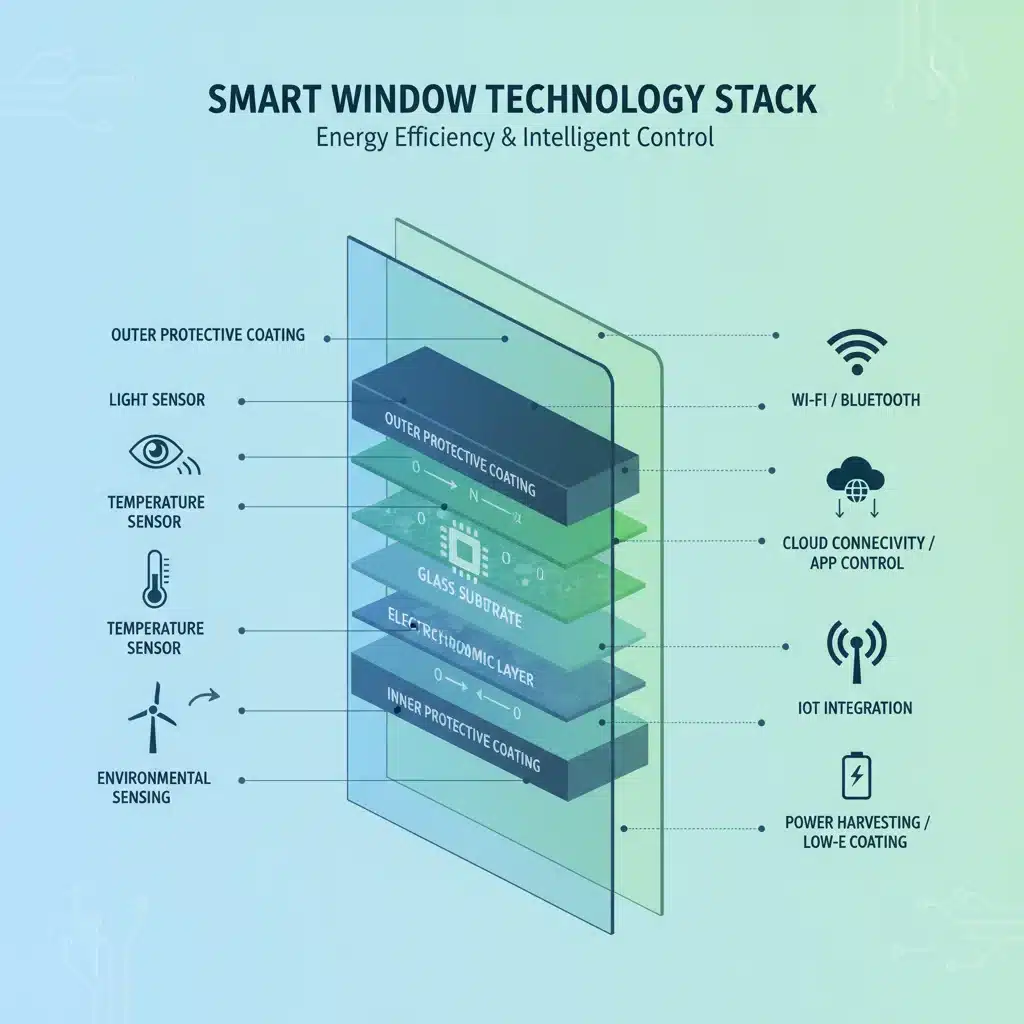
Perhaps the most well-known type of smart window, electrochromic windows, use a small electrical charge to change their tint. This technology involves layers of materials that darken or lighten in response to voltage, controlling the amount of sunlight and heat that enters a room. When the sun is intense, the windows can be darkened to block solar heat gain, significantly reducing the load on air conditioning systems. During colder periods or on cloudy days, they can be cleared to maximize natural light and passive solar heating, thereby lessening the need for artificial lighting and heating. This dynamic control is a cornerstone of how Smart Window Solutions contribute to HVAC savings.
Thermochromic and Photochromic Technologies
Other forms of smart windows include thermochromic and photochromic technologies. Thermochromic windows react to temperature changes, automatically adjusting their tint as the ambient temperature rises or falls. Photochromic windows, similar to transition lenses in eyeglasses, darken in response to UV light. While these technologies offer passive control, they provide an excellent baseline for energy management without requiring active user input or electrical power. Their inherent ability to adapt makes them valuable components in a holistic approach to energy-efficient building envelopes, further solidifying the impact of Smart Window Solutions.
Integrated Sensors and Automation
The ‘smart’ aspect of these windows is often enhanced by integration with building management systems (BMS) and smart home automation platforms. Sensors can detect outdoor temperature, sunlight intensity, occupancy, and even indoor air quality. This data allows the windows to adjust their tint autonomously, pre-empting thermal discomfort and optimizing energy use without human intervention. Imagine a system that automatically darkens windows on a sunny afternoon when a room is unoccupied, then lightens them as occupants return, all while coordinating with the HVAC system. This level of intelligent operation is what makes Smart Window Solutions so powerful in reducing energy loads.
The evolution of these technologies is rapid, with ongoing research focusing on improved transparency in the clear state, faster switching speeds, and lower manufacturing costs. As these innovations become more widespread and affordable, their potential to transform energy consumption in buildings will only grow. The ability of Smart Window Solutions to adapt and respond to environmental changes in real-time is a fundamental departure from static building components, paving the way for truly intelligent and sustainable architecture.
How Smart Windows Reduce HVAC Load by 25%
The 25% reduction in HVAC load projected by 2026 isn’t an arbitrary figure; it’s a conservative estimate based on the combined effects of improved solar control, optimized natural light utilization, and enhanced thermal insulation provided by Smart Window Solutions. Understanding the mechanisms behind this significant saving is key to appreciating their transformative potential.
Blocking Solar Heat Gain
During warmer months, a substantial portion of a building’s cooling load comes from solar radiation entering through windows. Traditional windows allow this heat to penetrate, forcing air conditioning systems to work harder to maintain a comfortable indoor temperature. Smart Window Solutions, particularly electrochromic ones, can dynamically block up to 90% of solar heat gain. By preventing this heat from entering the building in the first place, the demand on the AC unit is dramatically reduced. This proactive approach is far more efficient than allowing heat in and then expending energy to remove it.
Optimizing Natural Light and Reducing Artificial Lighting Needs
While blocking unwanted heat, smart windows can simultaneously optimize the entry of natural light. By selectively filtering glare and maintaining visual clarity, they reduce the need for artificial lighting during daylight hours. Lighting systems are also significant energy consumers, and decreasing their operational time contributes to overall energy savings. Furthermore, the heat generated by artificial lights adds to the cooling load, creating a vicious cycle. By maximizing daylighting and minimizing glare, Smart Window Solutions break this cycle, indirectly contributing to HVAC efficiency.
Enhanced Thermal Insulation and U-Value Improvement
Beyond solar control, many Smart Window Solutions incorporate advanced glazing technologies that improve thermal insulation. This includes features like low-emissivity (low-e) coatings, argon or krypton gas fills between panes, and multiple glazing layers. These elements work together to reduce the U-value of the window (a measure of heat transfer), minimizing heat loss in winter and heat gain in summer. A lower U-value means less heat escapes or enters through the window, providing a more stable indoor temperature and reducing the workload on both heating and cooling systems. This dual benefit of solar control and improved insulation is crucial for achieving the projected 25% HVAC load reduction.
Integration with Building Management Systems (BMS)
The true power of Smart Window Solutions is realized when they are integrated into a comprehensive Building Management System. This allows for intelligent, predictive control based on real-time data and occupant preferences. For example, the BMS can anticipate peak solar exposure, pre-tint windows, and adjust the HVAC system accordingly. It can also learn occupant patterns, optimizing settings for occupied versus unoccupied spaces. This holistic approach ensures that the entire building envelope and internal climate control systems work in harmony, maximizing efficiency and comfort. This synergy is a major driver behind the 25% HVAC load reduction target.
Consider a large commercial office building. Without smart windows, the perimeter offices facing direct sunlight would require significant air conditioning, while interior offices might need less. With Smart Window Solutions, the facade can dynamically respond to sunlight, reducing heat gain where it’s most intense, leading to a more uniform temperature distribution throughout the building and a lower overall cooling demand. This granular control is impossible with traditional windows and makes a substantial difference in energy consumption.
Case Studies and Real-World Impact
The concept of Smart Window Solutions isn’t just theoretical; it’s being implemented in real-world projects, demonstrating tangible benefits. Early adopters are already seeing significant reductions in energy consumption and improved occupant satisfaction, paving the way for the broader adoption necessary to hit the 25% HVAC load reduction target by 2026.
Commercial Building Successes
One notable example is the use of electrochromic glass in a high-rise office building in California. The building reported a 20% reduction in peak cooling demand and a 26% reduction in overall energy consumption attributable to the windows alone. Occupants also noted a significant improvement in visual comfort, with reduced glare and a more consistent internal temperature. This success story highlights how Smart Window Solutions contribute to both energy efficiency and occupant well-being, crucial factors for modern commercial spaces.
Another project involving a school in the Pacific Northwest utilized smart windows to manage heat gain and optimize daylighting. The result was a considerable decrease in the school’s energy bills, primarily from reduced HVAC operation and lower artificial lighting needs. The improved natural light also created a more conducive learning environment, demonstrating the multifaceted benefits of these technologies. These examples underscore the practical viability and economic advantages of investing in Smart Window Solutions.
Residential Applications and Future Outlook
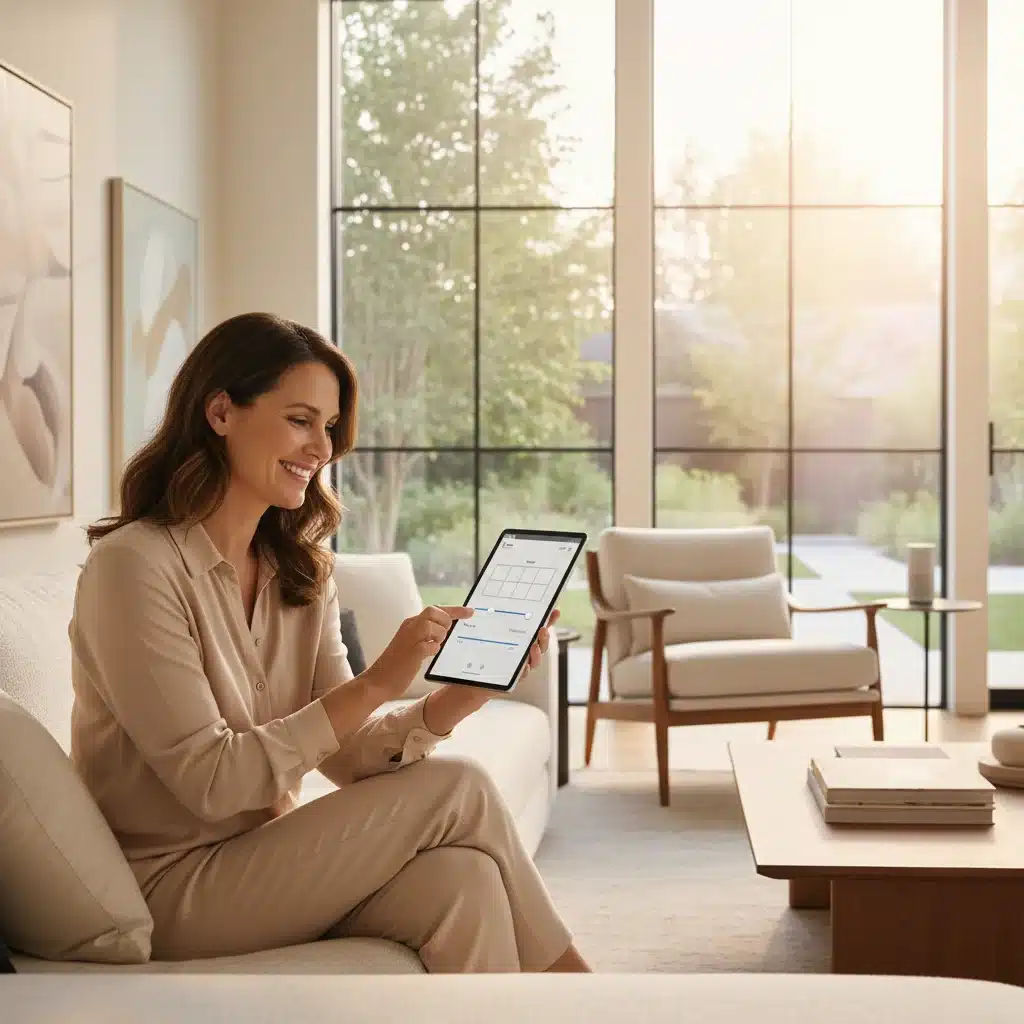
While commercial applications have led the charge, residential adoption of Smart Window Solutions is steadily growing. Homeowners are increasingly interested in smart home technologies that offer both convenience and energy savings. Imagine a home where windows automatically adjust to the sun’s path throughout the day, ensuring optimal light and temperature without any manual intervention. This level of automation not only saves energy but also enhances the living experience.
The decreasing cost of smart window technologies, coupled with increasing awareness of their benefits, suggests a rapid expansion into the residential market. As more homes incorporate these systems, the collective impact on national and global energy consumption will be immense. The projected 25% HVAC load reduction by 2026 is not just a target for new constructions but also for retrofits, as older buildings seek to upgrade their energy performance with innovative Smart Window Solutions.
Challenges and Future Developments
Despite the immense potential of Smart Window Solutions, several challenges need to be addressed for widespread adoption and to fully realize the 25% HVAC load reduction goal. These include initial cost, public awareness, and technological integration complexities.
Initial Investment and Cost-Benefit Analysis
The primary barrier to entry for many consumers and developers is the higher upfront cost of smart windows compared to traditional glazing. While the long-term energy savings and increased property value often justify the investment, the initial capital outlay can be significant. However, as manufacturing processes become more efficient and economies of scale are achieved, prices are expected to decrease. Furthermore, government incentives, tax credits, and energy efficiency programs can help offset these costs, making Smart Window Solutions more accessible.
Public Awareness and Education
Many homeowners and even some industry professionals are still unaware of the capabilities and benefits of Smart Window Solutions. Increased education and marketing efforts are crucial to inform the public about how these technologies work, their energy-saving potential, and their contribution to comfort and sustainability. Demonstrating clear return on investment (ROI) through transparent case studies and energy performance data will be vital.
Integration and Interoperability
Integrating smart windows with existing building management systems and other smart home devices can sometimes be complex. Ensuring seamless interoperability between different manufacturers and platforms is essential for a truly intelligent and user-friendly experience. Industry standards and open protocols will play a key role in simplifying this integration, making Smart Window Solutions a more plug-and-play component of smart buildings.
Advancements in Materials and AI
The future of Smart Window Solutions is bright, with ongoing research pushing the boundaries of what’s possible. New materials are being developed that offer faster switching speeds, greater transparency in the clear state, and even the ability to generate electricity from sunlight while maintaining their dynamic tinting capabilities. The integration of artificial intelligence (AI) will further enhance their performance, allowing for more predictive and adaptive control based on complex environmental patterns and occupant preferences. Imagine windows that not only react to the sun but also predict weather changes and adjust proactively, learning from past data to optimize energy use with unprecedented precision. These advancements will undoubtedly accelerate the journey towards and beyond the 25% HVAC load reduction target.
Another exciting area of development is the concept of ‘smart glass’ that can also display information, turning windows into interactive screens or privacy panels on demand. While this functionality extends beyond pure energy efficiency, it showcases the versatility and future potential of these technologies as central components of integrated smart environments. The continuous evolution of Smart Window Solutions promises not just energy savings but also entirely new ways of interacting with our built surroundings.
The Road to 2026 and Beyond
Achieving a 25% reduction in HVAC load through Smart Window Solutions by 2026 is an ambitious yet entirely attainable goal. It requires a concerted effort from manufacturers, architects, builders, policymakers, and consumers. As the technology matures, becomes more affordable, and its benefits become more widely understood, its adoption will accelerate.
The environmental imperative for energy efficiency is stronger than ever. Buildings are responsible for a significant portion of global energy consumption and greenhouse gas emissions. By transforming the building envelope, particularly the windows, into an active and intelligent energy manager, we can make substantial progress towards a more sustainable future. Smart Window Solutions offer a powerful tool in this endeavor, providing a tangible pathway to reduced energy bills, enhanced comfort, and a smaller carbon footprint.
For homeowners, investing in Smart Window Solutions means greater comfort, lower utility bills, and increased property value. For businesses, it translates to reduced operating costs, improved occupant productivity, and a stronger commitment to corporate social responsibility. As we move towards 2026, the integration of these smart technologies will become less of a luxury and more of a standard expectation in modern, energy-efficient building design. The revolution of the intelligent building is here, and Smart Window Solutions are at its very core, dynamically shaping our indoor environments for a brighter, more sustainable tomorrow.
The journey to 25% HVAC load reduction is not just about a single technology; it’s about a holistic approach to building design that prioritizes intelligence, adaptability, and sustainability. Smart Window Solutions are a cornerstone of this approach, offering a clear and measurable impact on energy performance. Their ability to dynamically respond to environmental conditions positions them as one of the most exciting and impactful innovations in the green building movement. The future of energy-efficient buildings is undoubtedly clear, dynamic, and incredibly smart.