Smart Window Solutions 2026: 25% HVAC Load Reduction with Dynamic Tints & Automated Blinds
Smart Window Solutions for 2026: Reducing HVAC Load by 25% with Dynamic Tints and Automated Blinds
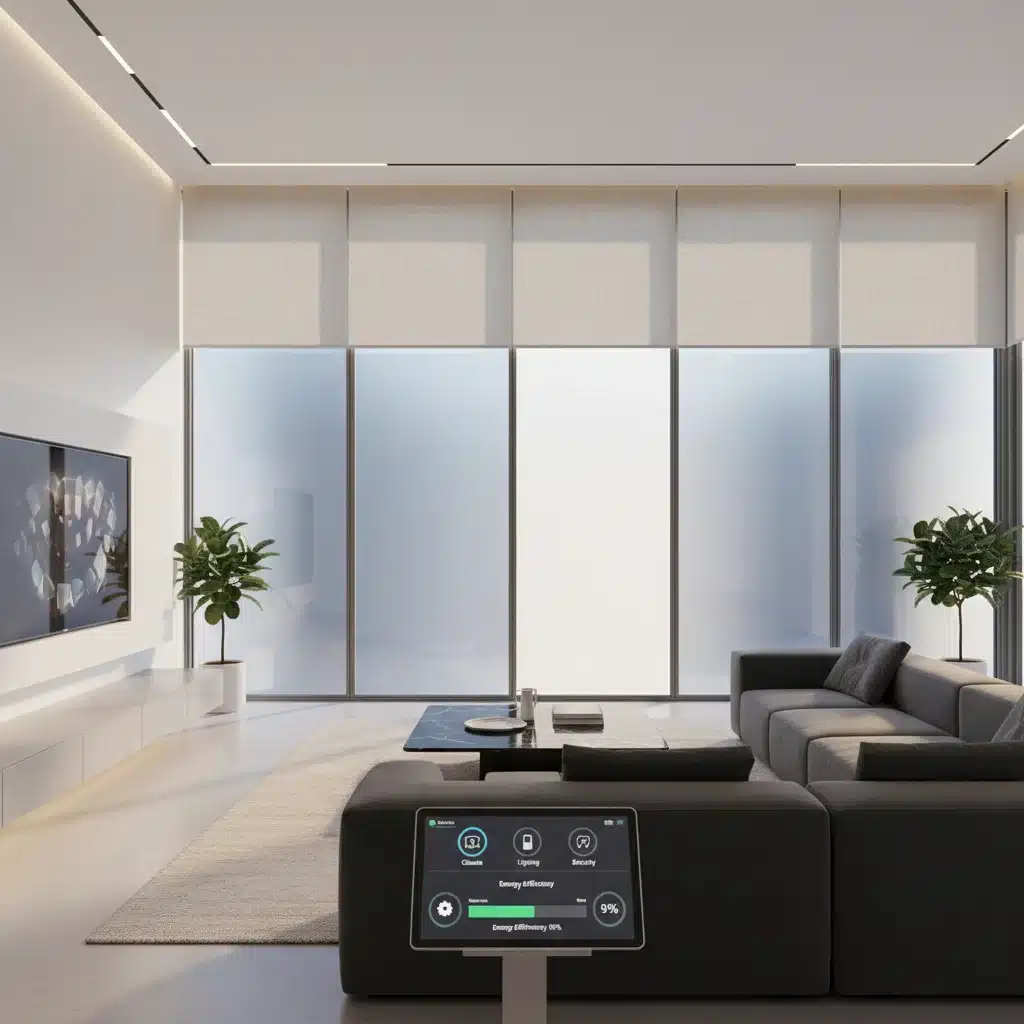
The future of building efficiency is here, and it’s looking clearer – or perhaps, more dynamically tinted. As we approach 2026, the integration of advanced technology into our living and working spaces is no longer a distant dream but a tangible reality. At the forefront of this revolution are smart window solutions, poised to transform how we interact with our environment, dramatically enhancing comfort while significantly slashing energy consumption. Imagine a world where your windows aren’t just passive barriers but active participants in maintaining optimal indoor climate, automatically adjusting to external conditions to keep you comfortable and your energy bills low. This isn’t science fiction; it’s the promise of dynamic tints and automated blinds, technologies that are set to reduce HVAC (Heating, Ventilation, and Air Conditioning) load by an impressive 25%.
For too long, windows have been the weakest link in a building’s thermal envelope, allowing precious heat to escape in winter and unwanted solar gain to penetrate in summer. This constant battle against the elements places an enormous burden on HVAC systems, leading to higher energy consumption, increased carbon footprints, and discomfort for occupants. However, the paradigm is shifting. The next generation of smart window solutions is engineered to tackle these challenges head-on, offering unprecedented control over light, glare, and heat transfer. By leveraging electrochromic technology for dynamic tinting and sophisticated automation for blinds, these innovations are not merely incremental improvements but a fundamental rethinking of window functionality.
The economic and environmental implications of a 25% reduction in HVAC load are profound. For homeowners, it translates to significant savings on utility bills, greater comfort year-round, and a higher property value. For businesses, it means lower operational costs, improved occupant productivity, and a stronger commitment to sustainability. Moreover, on a global scale, widespread adoption of these smart window solutions could contribute substantially to reducing energy demand and mitigating climate change. This comprehensive guide will delve into the intricacies of dynamic tints and automated blinds, exploring their underlying technologies, their benefits, and what to expect from these transformative solutions in the coming years.
The Core of Innovation: Dynamic Tints Explained
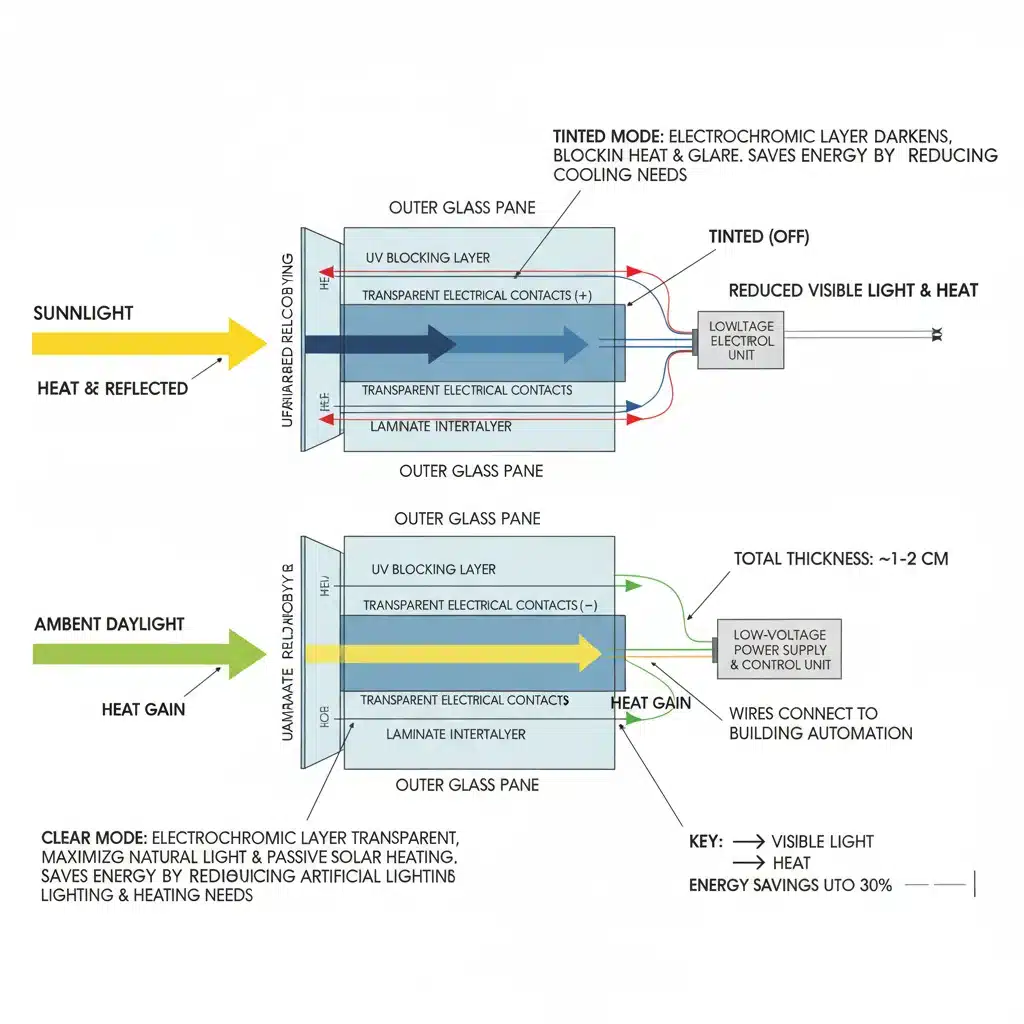
At the heart of future-proof smart window solutions lies dynamic tinting technology, primarily powered by electrochromic glass. Unlike traditional tinted windows that offer a fixed level of light reduction, electrochromic glass can change its opacity or tint level on demand. This incredible capability is achieved through a thin, multi-layered coating on the glass surface. When a low-voltage electrical charge is applied, ions within these layers move, causing the material to darken. Reversing the charge causes the ions to return to their original state, making the glass transparent again. This process is silent, seamless, and remarkably efficient.
The magic of dynamic tints lies in their ability to adapt to varying light conditions throughout the day. On a bright, sunny afternoon, the windows can automatically darken to block excessive solar heat and glare, preventing the interior from overheating. This reduces the need for air conditioning, directly contributing to the 25% HVAC load reduction target. As the sun begins to set or on an overcast day, the windows can become clear again, maximizing natural light penetration and reducing the reliance on artificial lighting. This dynamic response ensures optimal indoor comfort and energy efficiency without any manual intervention.
Beyond electrochromic technology, other forms of dynamic tinting are also emerging, such as suspended particle devices (SPD) and liquid crystal (LC) technologies. SPD windows contain microscopic particles suspended in a liquid film, which align when an electric current is applied, allowing light to pass through. When the current is off, the particles scatter randomly, blocking light. LC windows, similar to those found in LCD screens, can switch between transparent and opaque states. Each technology offers unique characteristics in terms of tinting speed, clarity, and cost, but all share the common goal of providing adaptable light and heat control.
The benefits of dynamic tints extend beyond energy savings. They offer unparalleled control over privacy, allowing occupants to instantly obscure views into their space without the need for curtains or blinds. They also protect interiors from harmful UV radiation, preventing furniture, flooring, and artwork from fading. Furthermore, by optimizing natural light, dynamic tints contribute to improved occupant well-being and productivity, creating more pleasant and stimulating indoor environments. As we move towards 2026, the sophistication and affordability of these dynamic tinting technologies are set to make them a cornerstone of any truly smart building.
Automated Blinds: Precision Control and Seamless Integration
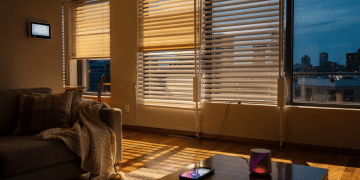
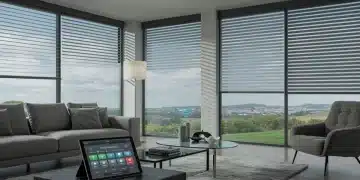
Complementing dynamic tints, and often working in tandem with them, are automated blinds. These are not your grandmother’s Venetian blinds; modern automated systems are sophisticated, intelligent, and deeply integrated into smart home and building management systems. Automated blinds can be controlled via remote, smartphone app, voice commands, or, most powerfully, through sensors and pre-programmed schedules. This level of control allows for precise management of light, privacy, and thermal performance, playing a crucial role in achieving that ambitious 25% HVAC load reduction.
The key to the effectiveness of automated blinds lies in their ability to respond intelligently to environmental cues. For instance, integrated light sensors can detect excessive sunlight and automatically lower the blinds to prevent solar gain. Temperature sensors can trigger adjustments to maintain a comfortable indoor climate. Furthermore, external weather forecasts can inform predictive actions, such as closing blinds before a hot spell or opening them to harness passive solar heating on a cold, sunny day. This proactive approach minimizes energy waste and maximizes comfort.
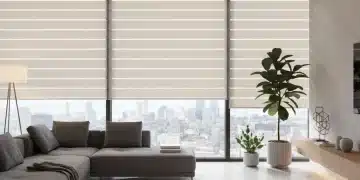
Automated blinds come in a variety of styles and materials, from roller shades and Venetian blinds to cellular and Roman shades, all equipped with quiet, efficient motors. This diversity ensures that aesthetic preferences can be met without compromising on functionality. The motors are typically low-voltage and can be powered by batteries, solar panels, or integrated into the building’s electrical system, offering flexible installation options. Wireless communication protocols like Zigbee, Z-Wave, and Wi-Fi enable seamless integration with other smart home devices, creating a unified and responsive ecosystem.
Beyond their energy-saving capabilities, automated blinds offer significant convenience and security benefits. Imagine waking up to blinds slowly opening, allowing natural light to gently fill your room. Or, when you’re away, having your blinds automatically adjust to mimic occupancy, deterring potential intruders. For commercial buildings, automated blinds can be programmed to adjust throughout the day across an entire facade, creating a uniform and professional appearance while optimizing energy use across hundreds of windows. The synergy between dynamic tints and automated blinds represents a holistic approach to window management, delivering superior performance and user experience.
The Synergy: How Dynamic Tints and Automated Blinds Achieve 25% HVAC Reduction
The true power of these smart window solutions emerges when dynamic tints and automated blinds work together in a coordinated system. Individually, each technology offers significant benefits, but their combined effect creates a powerful, adaptive barrier against external climate challenges, leading to a substantial 25% reduction in HVAC load. This synergy is based on a principle of layered defense and intelligent automation.
Consider a typical summer day. As the sun rises and its intensity increases, the dynamic tints in your windows begin to darken, proactively blocking a significant portion of solar radiation before it even enters your space. This initial layer of defense prevents heat buildup, immediately reducing the demand on your air conditioning system. If the sun’s angle is particularly low or its intensity extreme, the automated blinds can then be deployed as a second layer, providing additional shading and further insulating the interior from external heat. This dual approach ensures maximum heat rejection and glare control.
Conversely, during a cold winter day, the system operates in reverse. The dynamic tints can remain clear, allowing passive solar heating to warm the interior, reducing the need for the heating system. As evening approaches and temperatures drop, the automated blinds can automatically close, providing an extra layer of insulation that traps heat inside, preventing it from escaping through the windows. This intelligent management of solar gain and heat loss is critical for optimizing energy efficiency across all seasons.
The integration of these systems is typically managed by a central control unit or a smart building management system (BMS). This system gathers data from various sensors – light, temperature, occupancy, and even external weather feeds – to make informed decisions about when and how to adjust the windows and blinds. Machine learning algorithms can further refine these operations over time, learning occupant preferences and optimizing performance based on historical data. This level of intelligent automation ensures that the building’s envelope is always performing at its peak efficiency, minimizing energy waste and maximizing comfort.
The 25% HVAC load reduction is not an arbitrary figure but a realistic target achievable through this integrated approach. Studies and pilot projects in various climates have demonstrated that by proactively managing solar heat gain and improving insulation, buildings can significantly cut down on the energy required for heating and cooling. This translates directly into lower energy bills, reduced carbon emissions, and a more sustainable built environment, solidifying the position of smart window solutions as a critical component of modern green building design.
Installation and Integration: Making Smart Windows a Reality
Implementing smart window solutions, while technologically advanced, is becoming increasingly streamlined. For new constructions, integrating dynamic tints and automated blinds is relatively straightforward, as these systems can be planned and installed as part of the initial building design. Architects and builders are increasingly incorporating these technologies to meet higher energy efficiency standards and offer cutting-edge features to occupants.
For existing homes and commercial buildings, retrofitting can be a viable option. Dynamic tinting film can sometimes be applied to existing windows, though replacing the entire window unit with electrochromic glass offers superior performance and longevity. Automated blinds are generally easier to retrofit, with many wireless and battery-powered options available that require minimal electrical work. The key to a successful retrofit lies in careful planning and professional installation to ensure seamless integration with existing smart home or building management systems.
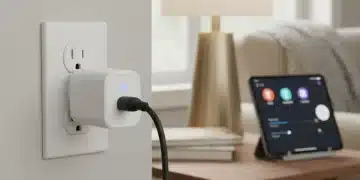
The control infrastructure is a crucial aspect of integration. Most smart window solutions are designed to be compatible with popular smart home platforms (e.g., Apple HomeKit, Google Home, Amazon Alexa) and commercial BMS platforms (e.g., Crestron, Lutron, Siemens). This interoperability allows users to manage their windows and blinds alongside other smart devices, creating a cohesive and intuitive control experience. Wireless communication protocols like Wi-Fi, Bluetooth, Zigbee, and Z-Wave are commonly used, offering flexibility and scalability.
Professional installation is highly recommended to ensure optimal performance and to properly configure the automation rules and schedules. Installers can help calibrate sensors, set up personalized scenes, and troubleshoot any connectivity issues. As the market for smart window solutions expands, the availability of skilled installers and comprehensive support services is also growing, making these advanced technologies more accessible to a wider audience.
Investing in these solutions requires an initial capital outlay, but the long-term energy savings and enhanced comfort provide a compelling return on investment. Furthermore, government incentives and energy efficiency rebates may be available in some regions, further reducing the upfront cost and accelerating payback periods. As manufacturing processes become more efficient and demand increases, the cost of dynamic tints and automated blinds is expected to continue to decrease, making them an even more attractive option for future-proof buildings.
Beyond Energy Savings: Additional Benefits of Smart Window Solutions
While the 25% HVAC load reduction is a primary driver for adopting smart window solutions, the benefits extend far beyond energy efficiency. These advanced technologies contribute to a holistic improvement in indoor environments, impacting everything from occupant well-being to building security and aesthetic appeal.
One significant advantage is enhanced occupant comfort and productivity. By intelligently managing natural light and temperature, smart windows eliminate common discomforts such as glare, excessive heat, and cold spots. This creates a more stable and pleasant indoor climate, which has been linked to improved concentration, reduced eye strain, and overall greater satisfaction for residents and employees. In commercial settings, this can translate directly into higher productivity and lower absenteeism.
Privacy and security are also greatly improved. Dynamic tints can instantly switch from transparent to opaque, providing immediate privacy without the need for physical barriers. Automated blinds can be programmed to close at night or when a space is unoccupied, deterring potential intruders. Some systems even offer ‘vacation mode’ features that simulate occupancy by randomly adjusting blinds and tints throughout the day, adding an extra layer of security.
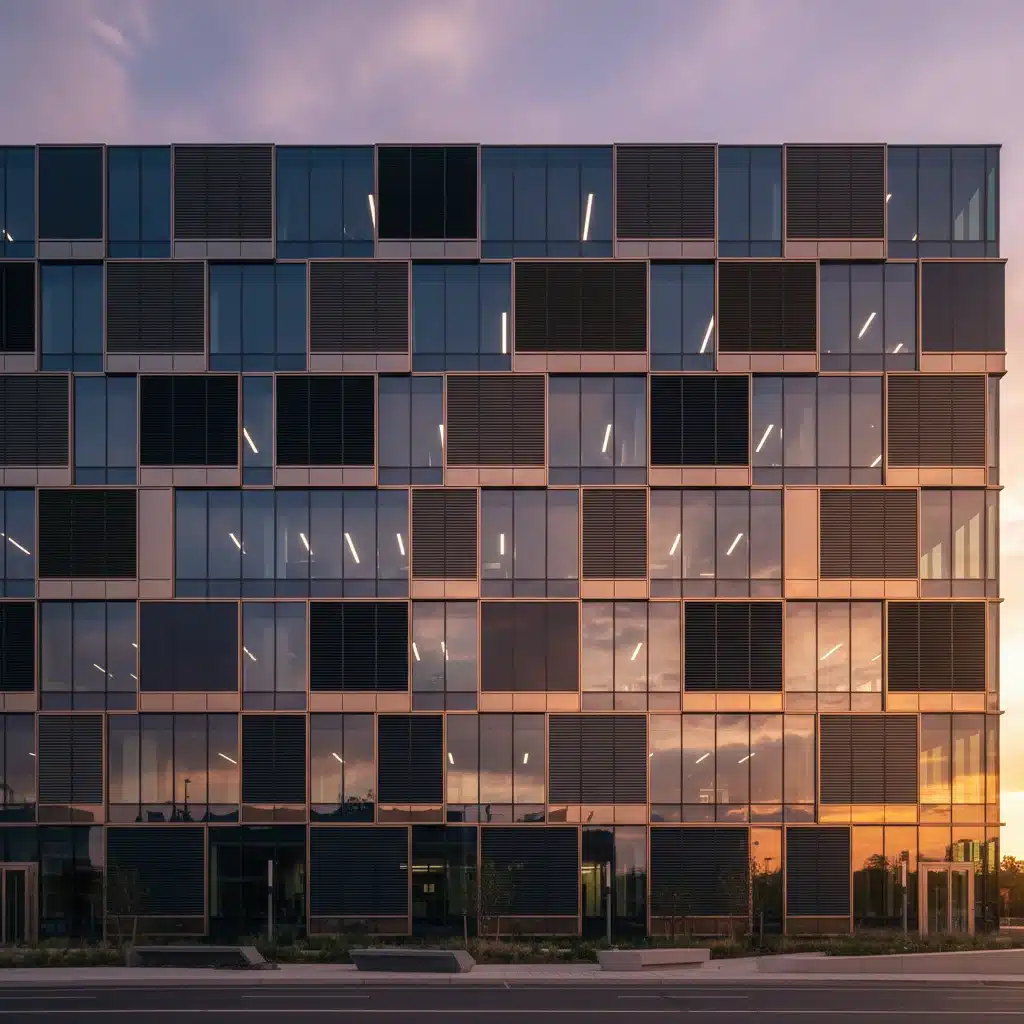
Aesthetic appeal and architectural flexibility are other compelling benefits. Dynamic tints offer a sleek, minimalist look, eliminating the visual clutter of traditional curtains or blinds when not needed. This allows architects to design with larger expanses of glass, bringing more natural light into buildings without the traditional drawbacks of excessive heat or glare. The ability to control the tint level also allows for dynamic changes in a building’s exterior appearance, creating a modern and sophisticated facade. Automated blinds, when integrated seamlessly, also contribute to a clean and uncluttered interior design.
Furthermore, smart window solutions contribute to sustainability and a reduced carbon footprint. By significantly cutting energy consumption for heating and cooling, buildings equipped with these technologies become more environmentally friendly. This aligns with global efforts to combat climate change and promotes responsible resource management. For businesses, adopting such technologies can enhance their corporate social responsibility profile and appeal to environmentally conscious consumers and employees.
Finally, the data collected by smart window systems can provide valuable insights into a building’s energy performance and occupant behavior. This data can be used to further optimize settings, identify areas for additional improvement, and inform future building design. This continuous feedback loop ensures that the building remains at the cutting edge of energy efficiency and comfort management.
The Road Ahead: What to Expect by 2026 and Beyond
The trajectory for smart window solutions is one of rapid innovation and increasing adoption. By 2026, we can expect to see several key developments that will solidify their position as standard features in both residential and commercial buildings.
Firstly, the cost of dynamic tinting technology is projected to decrease significantly as manufacturing processes become more efficient and economies of scale are achieved. This will make electrochromic glass and other dynamic window technologies more accessible to a broader market, moving from luxury item to mainstream component. Similarly, automated blind systems will become even more affordable and easier to install, with DIY options potentially emerging for the tech-savvy homeowner.
Secondly, integration capabilities will become more sophisticated. We’ll see tighter integration with artificial intelligence (AI) and machine learning (ML) algorithms that can predict occupant needs and environmental changes with greater accuracy. Imagine windows that learn your daily routines and preferences, automatically adjusting to optimize comfort and energy savings without any manual input. Predictive analytics based on local weather data, solar angles, and even occupancy patterns will enable truly proactive environmental control.
Thirdly, the development of new materials and technologies will continue. Researchers are exploring next-generation electrochromic materials with faster switching speeds, wider tint ranges, and even greater durability. Self-cleaning window technologies, integrated solar cells for self-powering, and even windows that can display information or act as transparent screens are on the horizon, blurring the lines between window, display, and energy generator.
Fourthly, regulatory frameworks and building codes will increasingly mandate or incentivize the use of energy-efficient window solutions. As governments push for greener buildings and stricter energy performance standards, technologies like dynamic tints and automated blinds will become essential for compliance, further accelerating their market penetration. Certifications like LEED and BREEAM will likely award more points for buildings incorporating these advanced window systems.
Finally, consumer awareness and demand will grow. As people become more educated about the benefits of energy efficiency, comfort, and smart home technology, the expectation for smart window solutions in new homes and renovated spaces will rise. This demand, coupled with technological advancements and decreasing costs, will create a powerful feedback loop driving continuous innovation and widespread adoption.
In conclusion, the future of windows is dynamic, automated, and incredibly smart. The promise of a 25% reduction in HVAC load through the intelligent deployment of dynamic tints and automated blinds is not just an ambitious goal but a clear pathway to more sustainable, comfortable, and efficient buildings. As we look towards 2026, these solutions are set to redefine our relationship with natural light and climate control, ushering in a new era of building intelligence.