Top 5 Smart Home Hubs 2026: Seamless US Integration & Automation
The Top 5 Smart Home Hubs for Seamless Integration in US Homes in 2026: A Comparative Analysis for Enhanced Automation
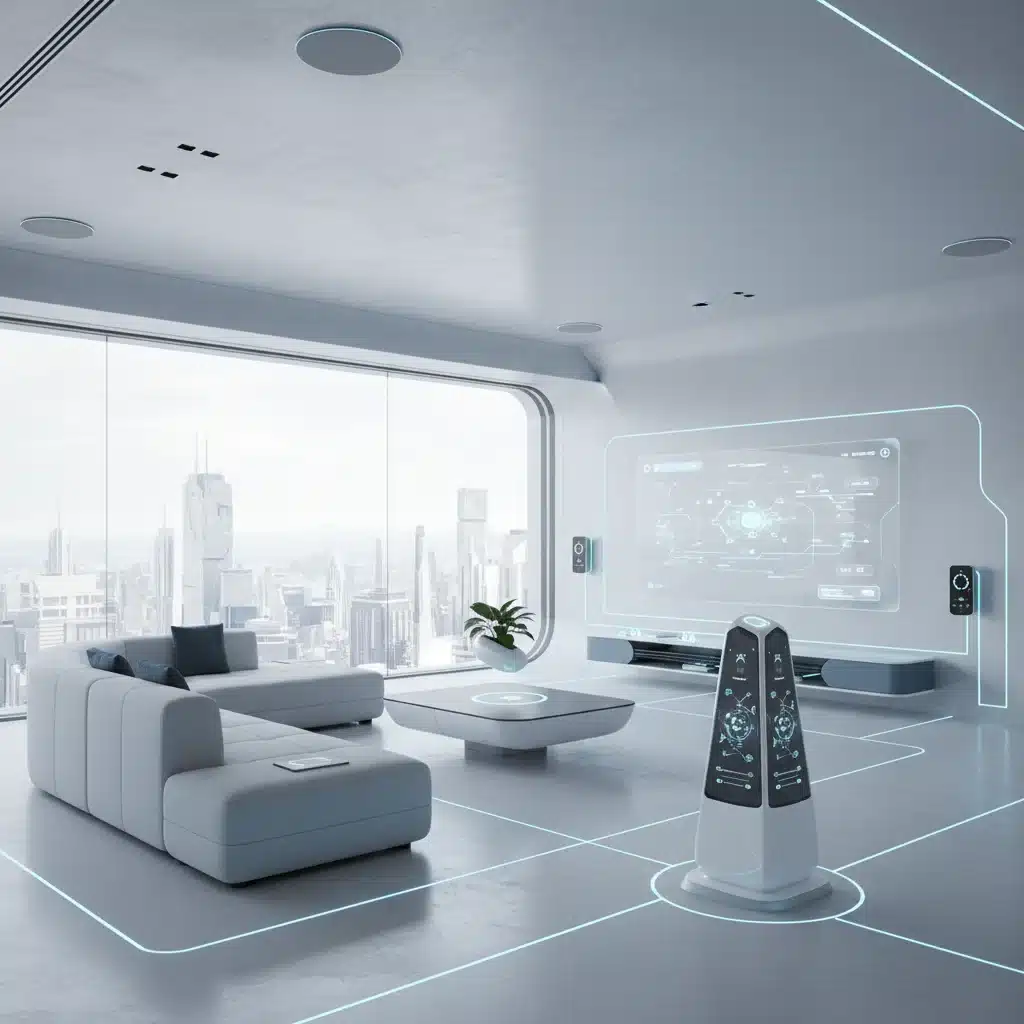
Welcome to the future of home living! As we step into 2026, the smart home landscape continues to evolve at an astonishing pace. What was once considered science fiction is now an everyday reality for millions of households across the United States. At the heart of this technological revolution lies the smart home hub—the central brain that orchestrates all your connected devices, allowing them to communicate and work together seamlessly. Without a robust and reliable smart home hub, your collection of smart devices can feel like a disparate orchestra without a conductor. The right hub transforms individual gadgets into a harmonious symphony of automation, convenience, and security.
For US homeowners, choosing the ideal smart home hub is more crucial than ever. With an ever-expanding array of devices, protocols, and ecosystems, compatibility and ease of use are paramount. A truly effective smart home hub not only connects your smart lights, thermostats, security cameras, and door locks but also empowers you to create complex routines, automate tasks, and monitor your home from anywhere in the world. It’s about creating a truly intelligent living space that adapts to your needs and preferences, enhancing comfort, energy efficiency, and peace of mind.
In this comprehensive guide, we will delve into the top 5 smart home hubs that are set to dominate the US market in 2026. Our analysis is based on extensive research, considering factors such as cross-platform compatibility, processing power, user interface, security features, and overall value. Whether you’re a seasoned smart home enthusiast or just beginning your journey into home automation, this article will equip you with the knowledge needed to make an informed decision and invest in a smart home hub that truly elevates your living experience.
Why a Smart Home Hub is Essential for Modern Homes
Before we dive into the specific models, let’s understand why a dedicated smart home hub is often preferable to simply relying on individual device apps or voice assistants. While voice assistants like Amazon Alexa and Google Assistant can control many smart devices, they often lack the deep integration and customizability that a dedicated hub provides. A smart home hub acts as a universal translator for various communication protocols such as Zigbee, Z-Wave, Wi-Fi, and Bluetooth, allowing devices that wouldn’t normally ‘speak’ to each other to interoperate seamlessly. This unified approach simplifies management, reduces latency, and unlocks advanced automation possibilities.
Imagine a scenario where your smart door lock communicates with your smart lights and thermostat. When you unlock your front door, your hub can trigger a routine that turns on the entryway lights, adjusts the thermostat to your preferred temperature, and even starts your favorite music. This level of interconnectedness and intelligent automation is the hallmark of an advanced smart home, and it’s precisely what the best smart home hubs deliver.
Key Considerations When Choosing Smart Home Hubs in 2026
The market for smart home hubs is dynamic, with new technologies and integrations emerging constantly. To ensure you select a future-proof device, keep the following considerations in mind:
- Protocol Compatibility: Does the hub support essential protocols like Zigbee, Z-Wave, Wi-Fi, and Bluetooth? Matter and Thread are also gaining significant traction and are crucial for future-proofing.
- Ecosystem Integration: How well does it integrate with popular smart home ecosystems like Apple HomeKit, Amazon Alexa, and Google Home?
- Automation Capabilities: Can it handle complex routines, conditional logic, and custom scenes?
- User Interface and Ease of Use: Is the accompanying app intuitive and easy to navigate for setting up devices and automations?
- Security and Privacy: What measures are in place to protect your data and prevent unauthorized access?
- Processing Power and Reliability: Can it handle a large number of devices and complex automations without lag or frequent disconnections?
- Local Control vs. Cloud Dependence: Does the hub offer local processing for critical automations, ensuring functionality even without an internet connection?
- Expandability and Future-Proofing: Does it support new and emerging standards, and can it be easily updated?
The Top 5 Smart Home Hubs for US Homes in 2026
1. Samsung SmartThings Hub (Version 4/Pro)
Samsung SmartThings has long been a frontrunner in the smart home hub market, and its anticipated 2026 iteration, likely dubbed Version 4 or a ‘Pro’ model, is expected to solidify its position. Building on its robust foundation, the new SmartThings hub will continue to offer unparalleled compatibility with a vast array of Zigbee, Z-Wave, and Wi-Fi devices. What sets SmartThings apart is its open ecosystem, allowing integration with thousands of third-party devices from various manufacturers, making it an excellent choice for users with a diverse collection of smart gadgets.
The 2026 version is projected to feature enhanced local processing capabilities, significantly reducing reliance on cloud services for critical automations, thereby improving speed and reliability. Expect native support for Matter and Thread, ensuring seamless integration with the next generation of smart home devices. The SmartThings app, already intuitive, is likely to receive further refinements, offering more advanced customization options for routines and scenes, alongside improved energy monitoring features. Its integration with Samsung’s vast ecosystem of appliances and electronics also provides a unique advantage for users who own other Samsung products. Security enhancements, including advanced encryption and more granular privacy controls, will also be a key focus.
2. Apple HomePod (Next Generation) with Enhanced HomeKit Controller
While primarily known as a smart speaker, the Apple HomePod (and its Mini counterpart) has evolved into a powerful HomeKit hub. The next-generation HomePod, anticipated for 2026, is expected to further blur the lines between smart speaker and dedicated hub, offering even more robust HomeKit control and expanded protocol support. For Apple enthusiasts, the HomePod offers unparalleled integration with the Apple ecosystem, including Siri voice control, seamless setup with iOS devices, and deep integration with Apple’s Home app.
The 2026 HomePod will undoubtedly feature full Matter and Thread support, making it a central pillar for future HomeKit homes. Expect significant improvements in its processing power, allowing for faster execution of automations and more sophisticated on-device intelligence. Enhanced audio quality, advanced spatial awareness for personalized sound, and potentially new sensor integrations (e.g., air quality, motion) could also be on the horizon. While its compatibility outside the HomeKit ecosystem might still be more limited than SmartThings, its security, privacy, and ease of use for Apple users make it an extremely compelling option.
3. Hubitat Elevation Hub (Model C-8 or C-9)
For the power user and privacy-conscious homeowner, the Hubitat Elevation Hub continues to be a top contender. Unlike many cloud-dependent hubs, Hubitat prides itself on local processing, meaning your automations run even if your internet connection goes down. The expected 2026 model (C-8 or C-9) will build upon this philosophy, offering even faster local processing and expanded memory to handle complex rule sets and a larger number of devices.
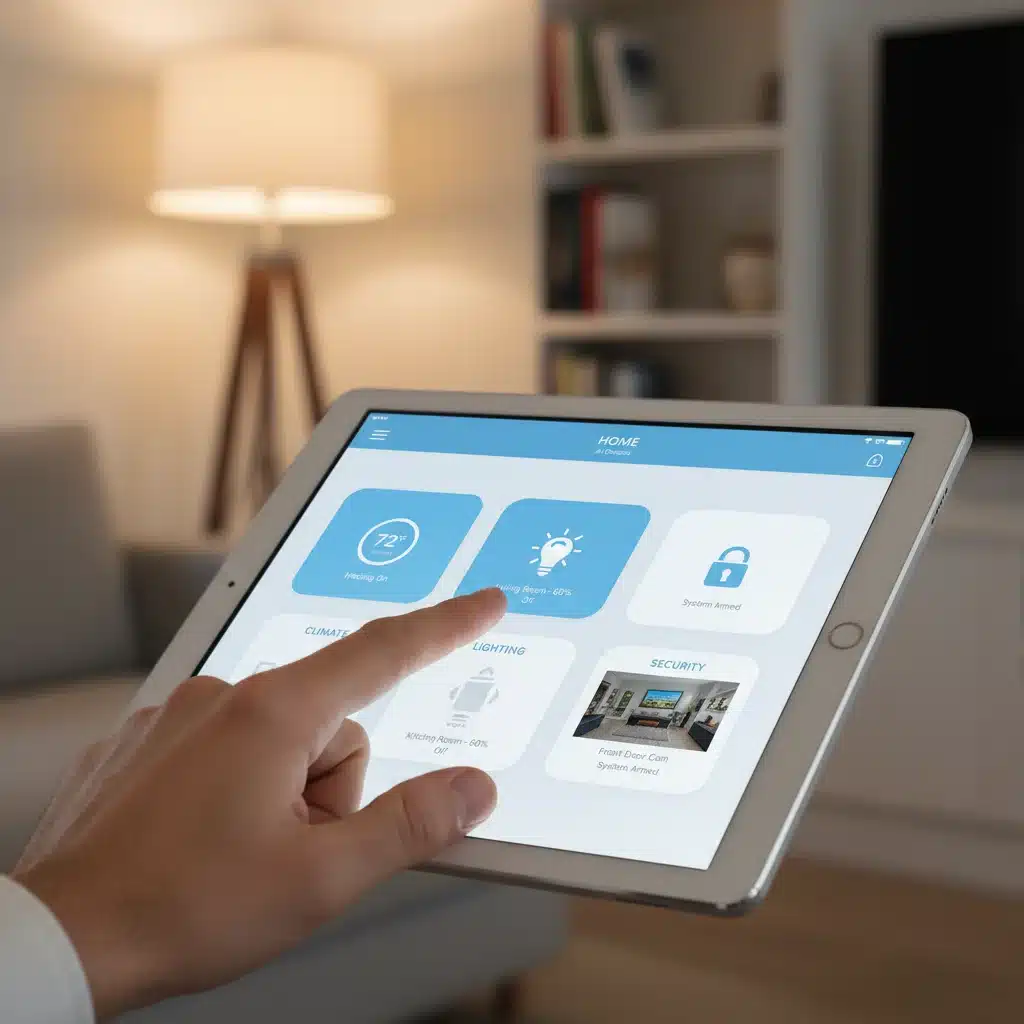
Hubitat’s strength lies in its incredible flexibility and advanced automation capabilities. Users can create intricate rules and logic without needing to write code, making it a favorite among those who want granular control over their smart home. The 2026 iteration will likely feature improved onboarding for new users, making its powerful features more accessible, while retaining its deep customization for advanced users. Expect enhanced Matter and Thread support, along with continued strong support for Zigbee and Z-Wave. Its focus on privacy, with data processed locally rather than in the cloud, is a significant draw for many. While its user interface might have a steeper learning curve than more consumer-friendly options, the control it offers is unmatched.
4. Amazon Echo Show (Next Generation) with Zigbee & Thread/Matter Hub
Amazon’s Echo Show devices have steadily integrated smart home hub functionality, and the next generation, due by 2026, will likely solidify their position as comprehensive smart home controllers. These devices combine a powerful Alexa voice assistant, a visual display for controlling devices, and an integrated Zigbee hub. The 2026 models are expected to natively support Thread and Matter, transforming them into even more versatile smart home hubs.
The primary appeal of the Echo Show as a hub is its seamless integration with the Alexa ecosystem, providing intuitive voice control and a visual interface for managing devices, viewing security camera feeds, and even making video calls. The next-gen models will likely feature faster processors, improved display technology, and potentially new sensors for environmental monitoring or presence detection. Amazon’s vast network of compatible devices and services makes it incredibly easy to expand your smart home. While still heavily reliant on Amazon’s cloud services, the convenience and widespread adoption of Alexa make the Echo Show a compelling choice for many US households looking for an all-in-one smart home solution.
5. Google Nest Hub Max (Next Generation) with Integrated Thread/Matter Hub
Similar to Amazon’s approach, Google’s Nest Hub Max combines a smart display with a powerful Google Assistant and an integrated smart home controller. The next-generation Nest Hub Max, anticipated for 2026, will almost certainly come with a fully integrated Thread and Matter hub, making it a central component of the Google Home ecosystem. This positions it as a direct competitor to the Echo Show, offering a visual and voice-controlled interface for your smart home.
The 2026 Nest Hub Max will likely boast significant upgrades in its processing power, ensuring smooth performance for complex automations and media consumption. Expect enhanced microphone arrays for improved voice recognition, a sharper display, and potentially new privacy features like on-device processing for certain voice commands. Its deep integration with Google services, including Google Photos, YouTube, and Calendar, adds significant value. For users already invested in the Google ecosystem, the next-gen Nest Hub Max will provide a cohesive and powerful way to manage their smart home, leveraging Google Assistant’s robust AI capabilities for intuitive control and automation. Its commitment to Matter will ensure it plays a central role in unifying devices across different brands.
The Rise of Matter and Thread: Unifying the Smart Home Landscape
A recurring theme in our discussion of 2026’s top smart home hubs is the increasing importance of Matter and Thread. These new connectivity standards are poised to revolutionize the smart home industry by addressing one of its biggest challenges: fragmentation. Matter, an application layer standard, aims to enable seamless communication between devices from different manufacturers, regardless of their underlying radio technology (Wi-Fi, Thread, Ethernet).
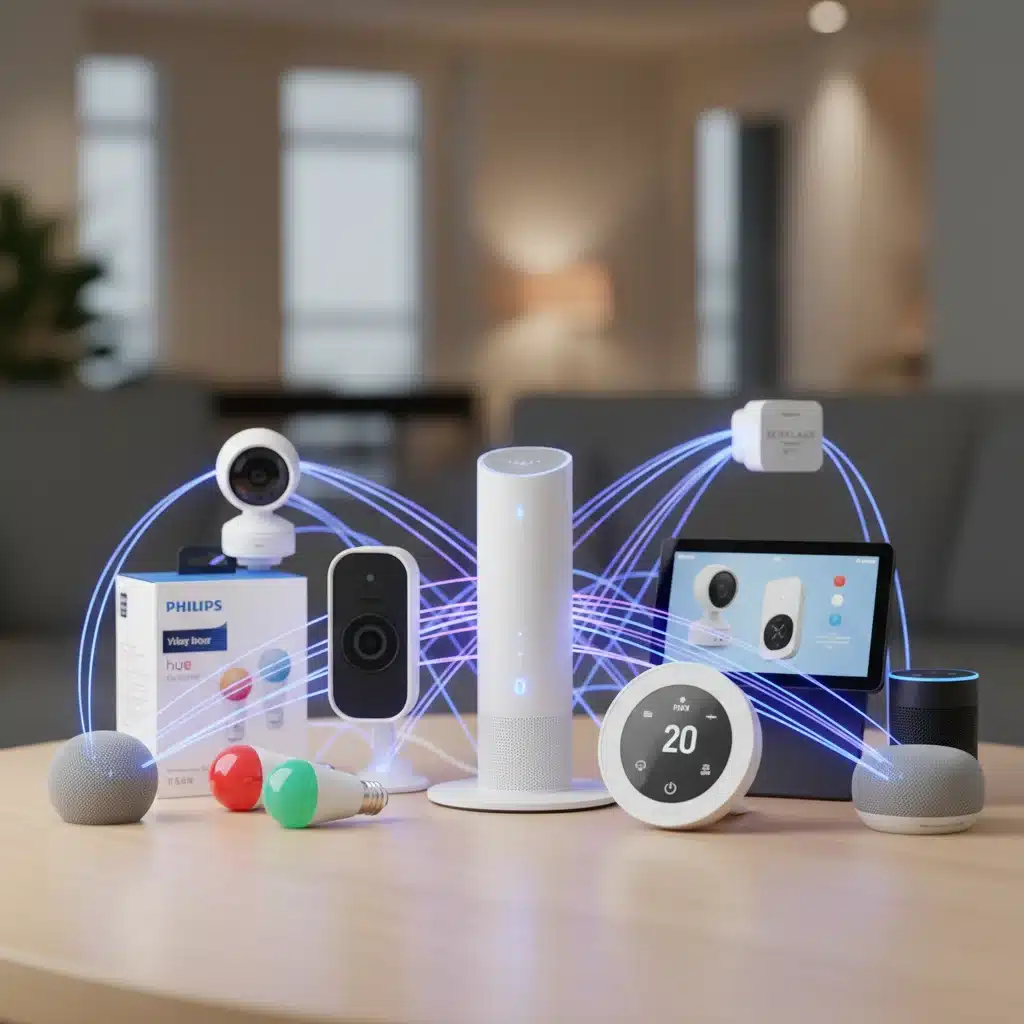
Thread, on the other hand, is an IP-based, low-power mesh networking protocol designed for smart home devices. It creates a self-healing, robust network where devices can communicate directly with each other without relying on a central router. The combination of Matter and Thread promises to simplify device setup, improve reliability, and significantly enhance interoperability across the smart home ecosystem. All the top smart home hubs in 2026 will prioritize strong support for these emerging standards, ensuring they can connect and control the widest possible range of future smart devices.
Setting Up Your Smart Home Hub: Best Practices
Once you’ve chosen your smart home hub, proper setup is crucial for optimal performance. Here are some best practices:
- Central Location: Place your hub in a central location in your home, away from large metal objects or other electronics that might cause interference. This ensures good signal strength for Zigbee and Z-Wave devices.
- Strong Wi-Fi: Ensure your home has a robust Wi-Fi network, especially if your hub and many devices rely on Wi-Fi for connectivity. Consider a mesh Wi-Fi system for larger homes.
- Firmware Updates: Always keep your hub’s firmware and accompanying app updated. Manufacturers frequently release updates that improve performance, add features, and patch security vulnerabilities.
- Organize Devices: Use clear and descriptive names for your devices (e.g., ‘Living Room Lamp’ instead of ‘Light 1’). This makes voice control and automation setup much easier.
- Start Simple: Begin with a few basic automations and gradually build up to more complex routines. This allows you to learn the system and troubleshoot any issues effectively.
- Security First: Implement strong, unique passwords for your hub and all connected accounts. Enable two-factor authentication (2FA) wherever possible.
- Backup Configurations: If your hub offers a backup feature, use it regularly. This can save you a lot of time and effort if you ever need to reset or replace your hub.
The Future of Smart Home Hubs and Automation
Looking beyond 2026, the trajectory for smart home hubs points towards even greater intelligence, autonomy, and seamless integration. We can anticipate hubs becoming more proactive, utilizing advanced AI and machine learning to predict user needs and adjust home settings without explicit commands. Imagine a home that learns your daily routines, anticipates your arrival, and prepares the environment perfectly—adjusting lighting, temperature, and even playing your favorite calming music after a stressful day.
Furthermore, the integration of biometric data and advanced presence detection will likely become more sophisticated. Hubs might recognize individual family members, tailoring experiences to their specific preferences. Energy management will also see significant advancements, with hubs intelligently optimizing power consumption based on real-time electricity prices, weather forecasts, and occupancy patterns, leading to substantial savings and a reduced carbon footprint.
The concept of the ‘invisible’ smart home will also gain traction, where technology seamlessly blends into the background, enhancing life without demanding constant interaction. The smart home hub will evolve from a device you configure to an intelligent assistant that truly understands and responds to the nuances of your household, making life simpler, safer, and more enjoyable for everyone.
Conclusion: Choosing Your Smart Home’s Brain for 2026
The choice of a smart home hub in 2026 is a pivotal decision that will shape your entire home automation experience. Whether you prioritize an open ecosystem with vast compatibility like Samsung SmartThings, the seamless Apple experience with the HomePod, the deep local control of Hubitat Elevation, or the integrated convenience of Amazon Echo Show or Google Nest Hub Max, each of these top contenders offers unique strengths.
The common thread among them, however, is their commitment to adopting Matter and Thread, signaling a future where interoperability is no longer a dream but a standard. By carefully considering your existing devices, preferred ecosystem, and desired level of control, you can select a smart home hub that not only meets your current needs but also serves as a resilient and intelligent foundation for your smart home for years to come. Invest wisely, and unlock the full potential of enhanced automation in your US home, transforming it into a truly intelligent and responsive living space.