Voice Control Mastery: Achieving 90% Hands-Free Home Automation by Mid-2026 with Advanced AI

In an increasingly connected world, the dream of a truly hands-free home is rapidly becoming a reality. Imagine waking up, and with a simple command, your coffee starts brewing, the blinds gently rise, and your favorite news podcast begins to play. This isn’t science fiction; it’s the power of voice control automation, and it’s set to revolutionize the way we interact with our living spaces. Our ambitious goal? To achieve 90% hands-free home automation by mid-2026, driven by advanced artificial intelligence. This comprehensive guide will delve into the intricacies of making this vision a tangible part of your everyday life.
The journey towards a fully automated, voice-controlled home is not just about convenience; it’s about efficiency, accessibility, and creating an environment that intuitively responds to your needs. From managing your lighting and climate to securing your property and even preparing your meals, the potential applications of voice control automation are virtually limitless. This article will explore the current landscape of smart home technology, detail the steps required to integrate advanced AI into your home, and provide a roadmap for achieving a remarkably high level of hands-free control.
The Evolution of Voice Control Automation: From Novelty to Necessity
Remember the early days of voice assistants? Often clunky, misunderstood, and limited in their capabilities, they were more of a novelty than a practical tool. Fast forward to today, and these intelligent systems have transformed. Powered by sophisticated AI and machine learning algorithms, modern voice assistants can understand complex commands, learn your preferences, and even anticipate your needs. This rapid evolution is what makes the 90% hands-free home goal not just aspirational, but entirely achievable.
The shift from basic command execution to contextual understanding is a game-changer. No longer do you need to remember precise phrases; natural language processing allows for more fluid and intuitive interactions. This level of intelligence is crucial for true voice control automation, enabling systems to perform multi-step tasks and adapt to varying situations. As AI continues to advance, so too will the seamlessness and reliability of our voice-controlled environments.
Defining ‘Hands-Free’ in the Context of Home Automation
What exactly does ‘90% hands-free’ mean? It implies that the vast majority of your daily interactions with your home’s systems – from turning on lights to adjusting the thermostat, playing music, managing security, and even routine chores – can be accomplished through spoken commands, without the need for physical interaction with switches, remotes, or smartphone apps. The remaining 10% might involve actions that inherently require physical presence, such as opening a door manually to retrieve a package, or specific maintenance tasks. Our focus is on maximizing vocal interaction for everyday living.
Building Your Foundation: Essential Components for Advanced Voice Control Automation
Achieving a high level of voice control automation requires a well-thought-out ecosystem of smart devices and a robust central intelligence. Here are the core components you’ll need:
1. The Central Voice Assistant Hub
This is the brain of your hands-free home. Popular options include Amazon Alexa, Google Assistant, and Apple HomeKit (Siri). The choice often comes down to personal preference, existing device compatibility, and the depth of their respective ecosystems. A powerful voice assistant hub is critical for processing commands, integrating devices, and executing routines.
2. Smart Devices with Voice Integration
For every aspect of your home you wish to automate, you’ll need compatible smart devices. This includes:
- Smart Lighting: Dimmable bulbs, light strips, and switches that respond to voice commands.
- Smart Thermostats: For climate control, learning your preferences and adjusting automatically.
- Smart Plugs: To convert traditional appliances into smart ones, allowing voice control over lamps, fans, and more.
- Smart Locks and Security Cameras: For enhanced home security and remote monitoring.
- Smart Blinds/Shades: To control natural light and privacy.
- Smart Entertainment Systems: TVs, soundbars, and media players that integrate with your voice assistant.
- Smart Appliances: Refrigerators, ovens, washing machines, and robot vacuums are increasingly offering voice control.
- Sensors: Motion, contact, temperature, and humidity sensors to trigger automated routines.
3. Robust Wi-Fi Network
A strong, reliable Wi-Fi network is the backbone of any smart home. With numerous devices constantly communicating, you’ll need sufficient bandwidth and coverage to prevent lag or disconnections. Consider a mesh Wi-Fi system for larger homes.
4. Integration Platforms and Protocols
While voice assistants offer broad compatibility, sometimes an additional integration platform (like IFTTT – If This Then That, or Home Assistant) can bridge gaps between devices from different manufacturers. Understanding communication protocols like Zigbee, Z-Wave, and Thread is also beneficial, as they offer more reliable and energy-efficient connections for certain devices.
Strategic Implementation: Steps to 90% Hands-Free Control
The path to advanced voice control automation is iterative. Start with key areas, master them, and then expand. Here’s a strategic approach:
Phase 1: Core Automation (0-30% Hands-Free)
Begin with the basics. Automate lighting, climate, and basic entertainment. Install smart bulbs or switches, a smart thermostat, and integrate your TV or sound system. Focus on simple commands like "Turn on living room lights" or "Set thermostat to 72 degrees." This phase gets you comfortable with the technology and its immediate benefits.
Phase 2: Routine Enhancement (30-60% Hands-Free)
Once the core is stable, start building routines and scenes. This is where the power of voice control automation truly shines. Instead of individual commands, create sequences of actions. For example:
- "Good Morning" routine: Turns on bedroom lights to 50%, starts the coffee maker (via smart plug), plays the news, and adjusts the bathroom temperature.
- "Good Night" routine: Turns off all lights, locks the front door, sets the alarm, and adjusts the bedroom temperature for sleep.
- "Movie Night" scene: Dims the living room lights, closes the blinds, turns on the TV to a specific input, and activates the soundbar.
Explore conditional routines (e.g., "If motion detected in hallway after 11 PM, turn on hallway light to 10%") to add layers of intelligence.
Phase 3: Advanced Integration and AI Learning (60-90% Hands-Free)
This phase involves deeper integration and leveraging AI’s learning capabilities. Connect security systems, smart appliances, and integrate sensors for proactive automation.
Leveraging AI for Predictive Automation
Modern voice assistants, powered by AI, can learn your habits over time. The more you interact with your system, the smarter it becomes. For instance, if you consistently dim the lights and play jazz music at 7 PM, your AI might start suggesting or automatically initiating this setting. This predictive capability is vital for reaching higher levels of hands-free control.
Contextual Understanding and Multi-Command Execution
Advanced AI allows for more natural conversations. Instead of "Turn on the kitchen lights. Now, play music. Now, set the timer for 20 minutes," you can say, "Hey assistant, I’m cooking dinner. Turn on the kitchen lights, play some background music, and set a timer for 20 minutes for the pasta." This ability to process multiple, related commands in a single utterance significantly boosts the hands-free experience.
Accessibility and Customization
Consider the needs of all household members. Voice profiles can differentiate users, allowing personalized responses and access. Customize wake words, assistant voices, and even the personality of your AI to make interactions more personal and efficient.
Overcoming Challenges in Voice Control Automation
While the benefits are immense, the journey to 90% hands-free can present challenges:
1. Device Compatibility and Interoperability
Not all smart devices speak the same language. Choosing devices that are compatible with your chosen voice assistant hub is paramount. Look for "Works with Alexa," "Works with Google Assistant," or "HomeKit compatible" labels. Newer standards like Matter aim to improve interoperability across brands.
2. Privacy and Security Concerns
Giving voice assistants access to your home raises legitimate privacy and security questions. Choose reputable brands, use strong, unique passwords, enable two-factor authentication, and understand how your data is being used. Regularly review privacy settings and consider the placement of listening devices.
3. Network Reliability
A flaky Wi-Fi connection can cripple your smart home. Invest in a robust router and potentially a mesh network to ensure consistent connectivity for all devices. Consider hardwiring critical components where possible.
4. Learning Curve and User Adoption
While intuitive, there’s still a learning curve for integrating new devices and setting up complex routines. Patience and experimentation are key. Involve all household members in the process to ensure wide adoption and understanding of the system’s capabilities.
5. Cost Considerations
Building a comprehensive smart home can be an investment. Prioritize devices that offer the most impact and expand gradually. Look for sales and bundles to manage costs effectively.
The Role of AI in Future Voice Control Automation (Mid-2026 and Beyond)
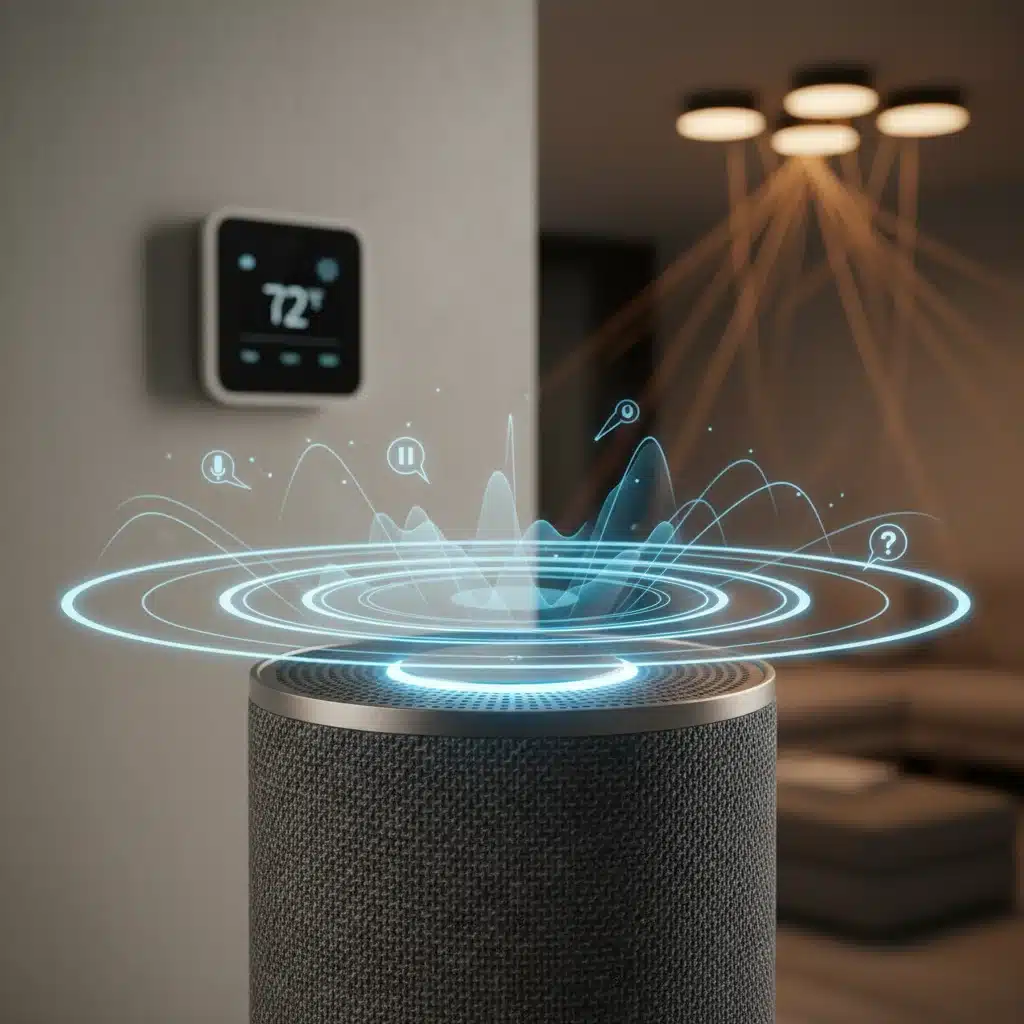
The target of 90% hands-free home automation by mid-2026 is ambitious, yet entirely feasible due to the accelerating pace of AI development. Here’s what we can expect to see driving this evolution:
1. Enhanced Natural Language Understanding (NLU)
AI will become even better at understanding context, nuance, and even emotional cues in human speech. This means fewer misunderstandings and more accurate execution of complex, multi-layered commands. Imagine an AI that understands sarcasm or subtle requests.
2. Proactive and Predictive Automation
Beyond simply reacting to commands, AI will anticipate your needs based on patterns, external data (weather, traffic), and even biometric inputs (e.g., your sleep cycle). Your home could proactively adjust lighting for optimal reading, pre-heat the oven when you’re on your way home with groceries, or even suggest a relaxing playlist based on your stress levels.
3. Hyper-Personalization
AI will create truly personalized environments for each individual in the home. Voice profiles will go beyond basic recognition to understand individual preferences for lighting, temperature, music, news, and even the daily schedule, adjusting the home environment dynamically for each person.
4. Edge AI and Local Processing
To address privacy concerns and improve response times, more AI processing will happen directly on devices (edge AI) rather than solely in the cloud. This means faster command execution and reduced reliance on internet connectivity for basic functions.
5. Multimodal Interaction
While our focus is on voice control automation, AI will increasingly integrate voice with other input methods like gestures, gaze tracking, and even thought interfaces (though this is more long-term). This creates a richer, more intuitive interaction experience, where voice is paramount but not the only option.
6. Self-Healing and Adaptive Systems
AI-powered smart homes will be able to detect and diagnose issues within their network or with individual devices, and in some cases, even self-correct. This reduces maintenance headaches and ensures a consistently smooth hands-free experience.
Practical Steps to Begin Your Voice Control Automation Journey Today
Ready to start building your 90% hands-free home? Here’s a checklist to get you going:
- Choose Your Voice Assistant: Decide between Alexa, Google Assistant, or HomeKit based on your preferences and existing devices.
- Start Small: Don’t try to automate everything at once. Begin with smart lighting and a smart thermostat.
- Invest in Quality: While budget-friendly options exist, investing in reliable, compatible devices from reputable brands will save you headaches in the long run.
- Learn to Create Routines: This is where the real magic happens. Experiment with simple "Good Morning" or "Good Night" routines.
- Explore IFTTT or Home Assistant: For advanced users, these platforms offer unparalleled customization and integration possibilities.
- Prioritize Security and Privacy: Set strong passwords, enable two-factor authentication, and understand the privacy policies of your chosen devices and platforms.
- Expand Gradually: As you get comfortable, add more devices and integrate new areas of your home. Think about smart locks, security cameras, and smart appliances.
- Stay Updated: The smart home landscape is constantly evolving. Keep your device firmware and voice assistant apps updated to benefit from new features and security patches.
- Involve Your Household: Ensure everyone understands how to use the system and can contribute to its setup and customization.
- Be Patient and Experiment: Building a truly smart home takes time and experimentation. Don’t be afraid to try new routines or reconfigure existing ones until they perfectly fit your lifestyle.
The Future is Hands-Free: Embracing the Smart Home Revolution
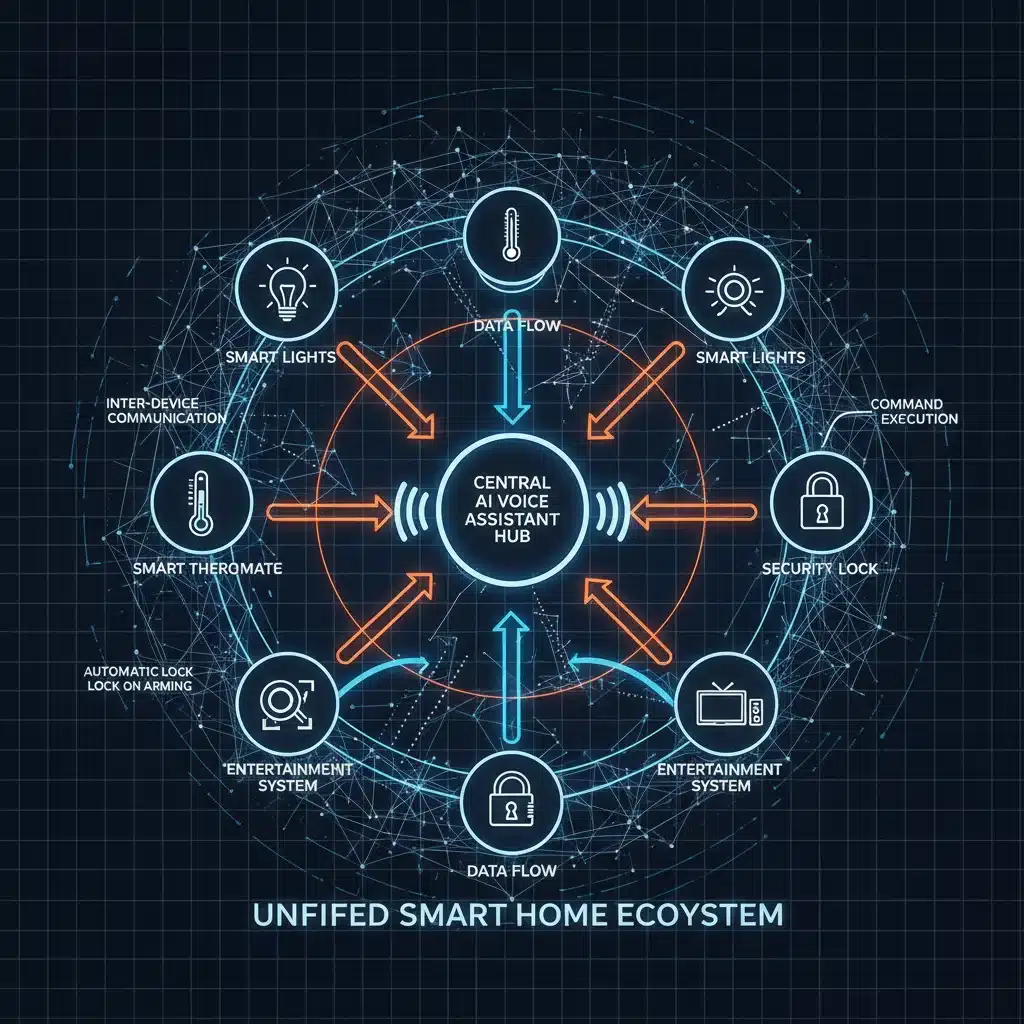
The vision of a 90% hands-free home by mid-2026 driven by advanced voice control automation is not a distant dream but a tangible goal within reach. As AI continues to evolve, our homes will become more intuitive, responsive, and personalized than ever before. This isn’t just about convenience; it’s about creating living spaces that enhance our well-being, streamline our daily routines, and offer unprecedented levels of comfort and security.
Embracing this smart home revolution means stepping into a future where technology serves us in the most natural way possible – through the power of our voice. By strategically implementing smart devices, leveraging AI’s learning capabilities, and continuously optimizing your system, you can transform your home into a truly intelligent sanctuary. The journey may require some initial effort, but the rewards of a hands-free, hyper-responsive living environment are well worth the investment.
Start planning your voice-controlled future today. The mid-2026 deadline for 90% hands-free living is closer than you think, and with the right strategy, your home can be at the forefront of this exciting technological transformation. The era of effortless living, guided by your voice, is here.